Feeds:
Posts
Comments

Archive for the ‘art,poetry,writing’ Category

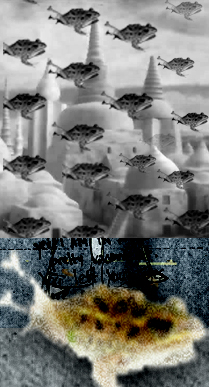
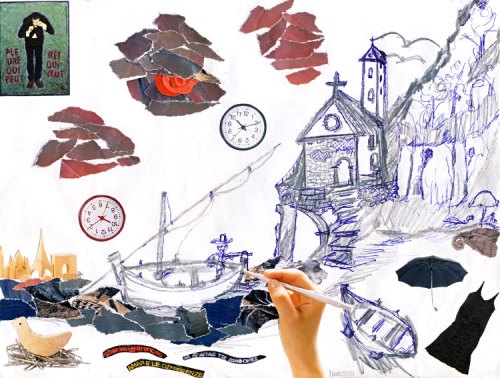
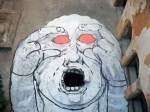
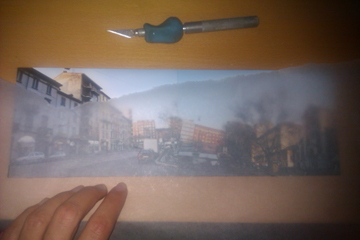
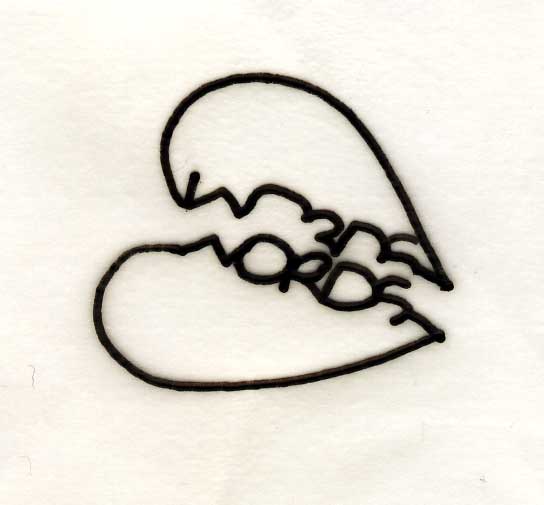
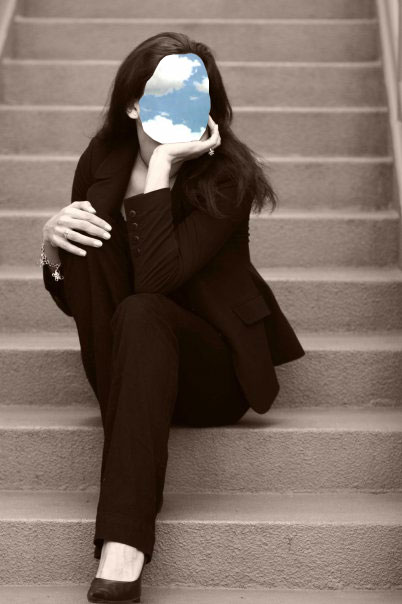
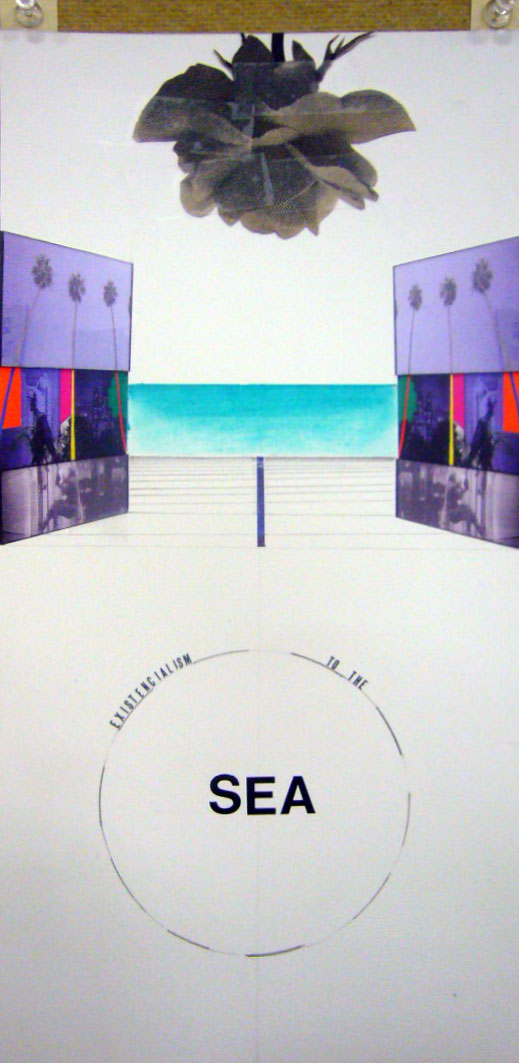
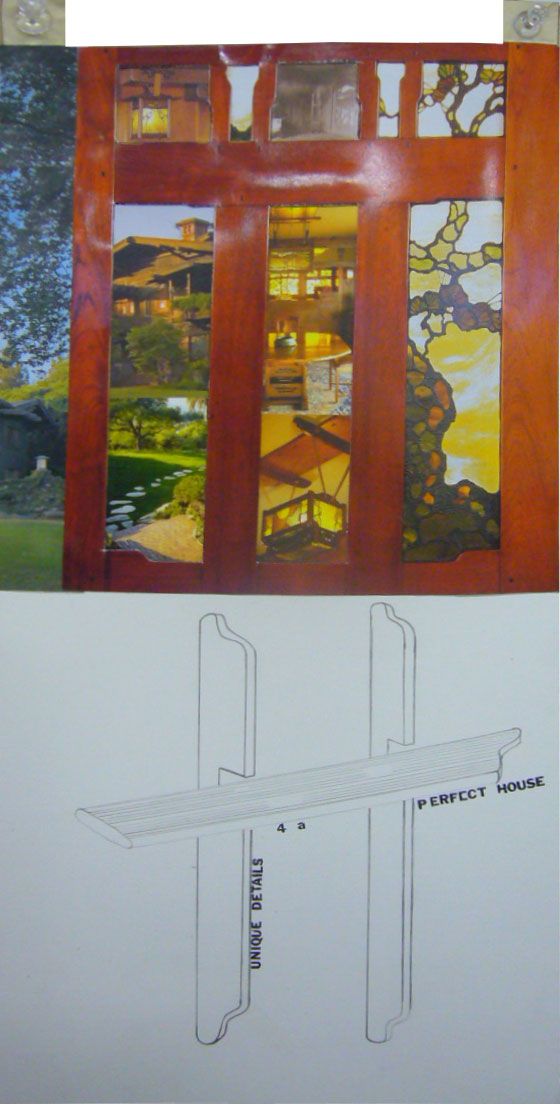
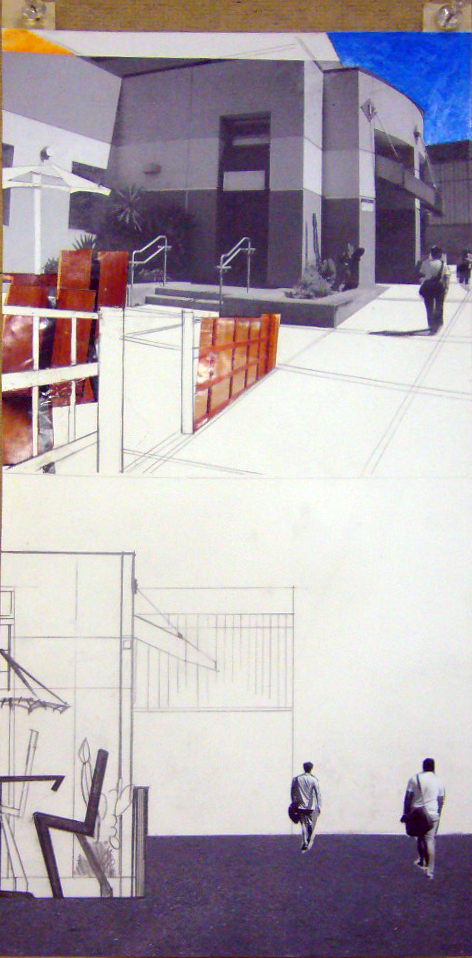
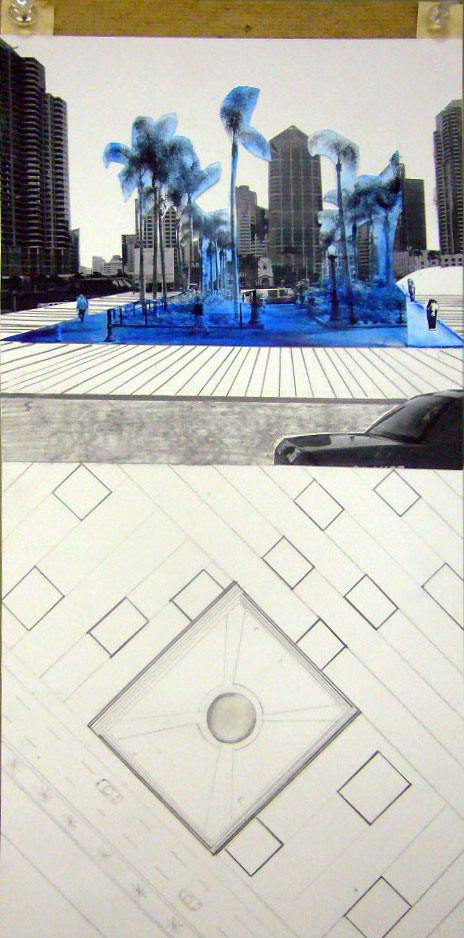
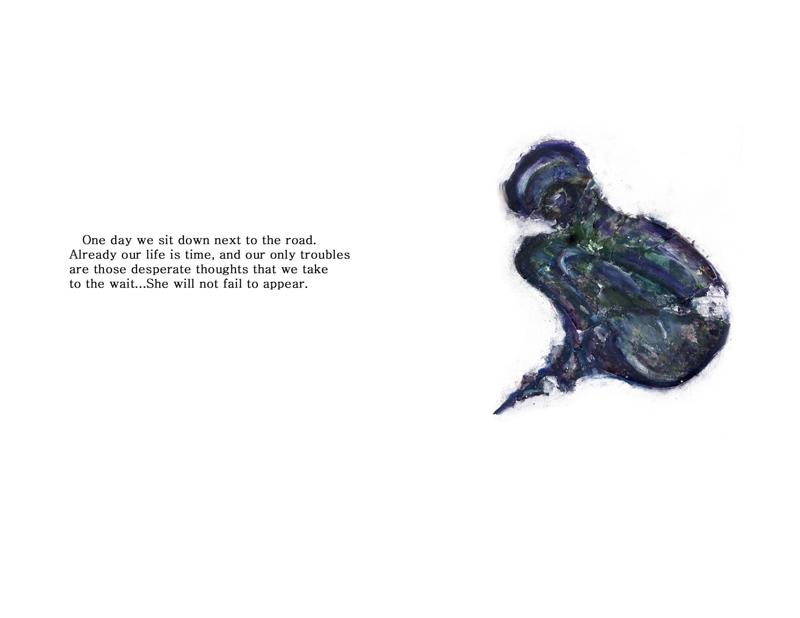
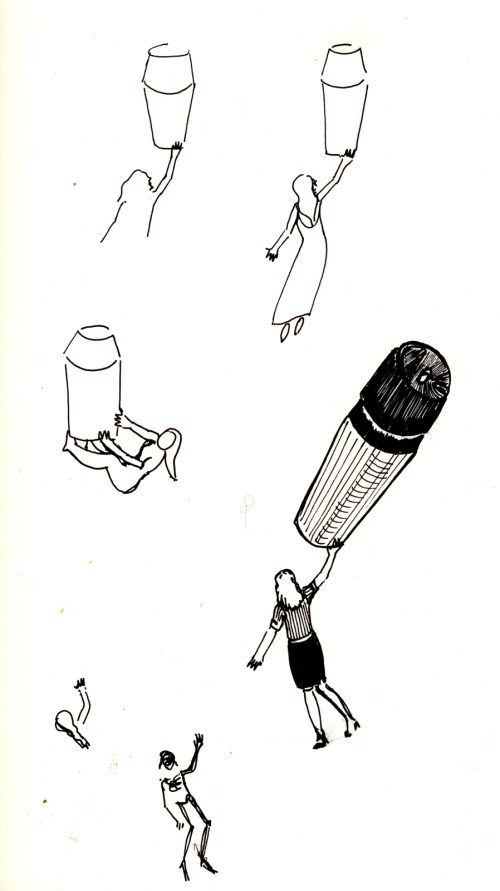
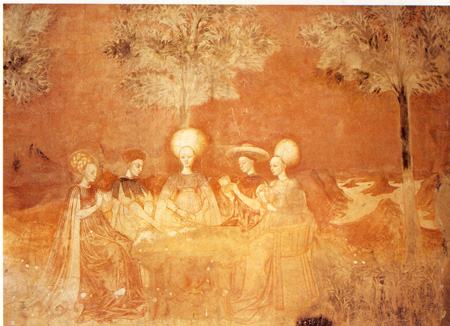
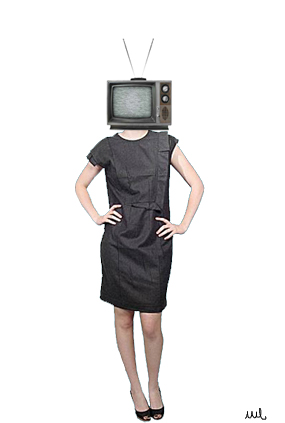
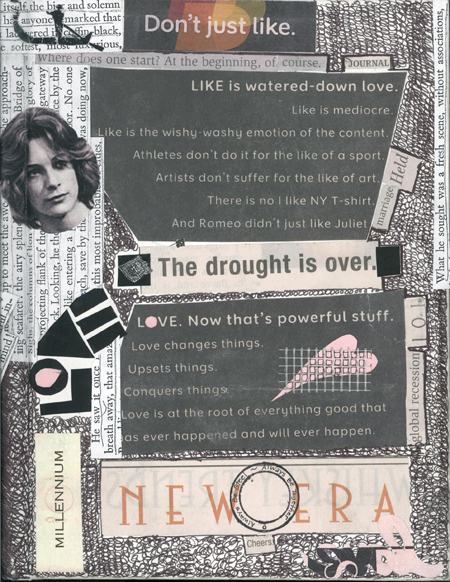
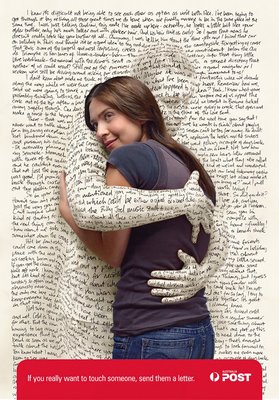
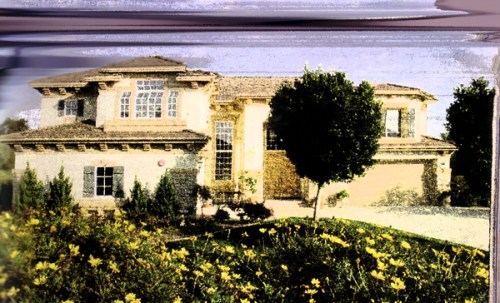
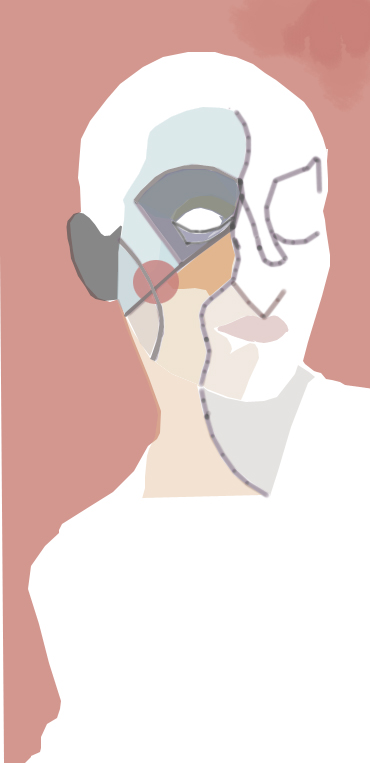
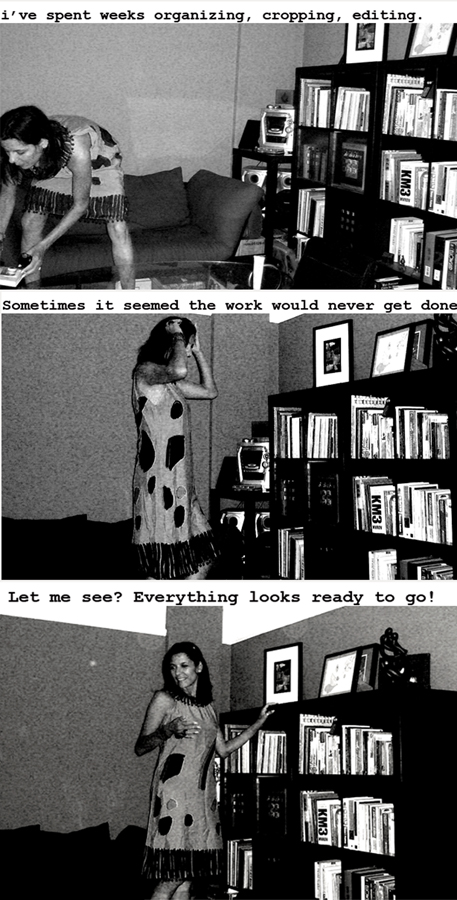
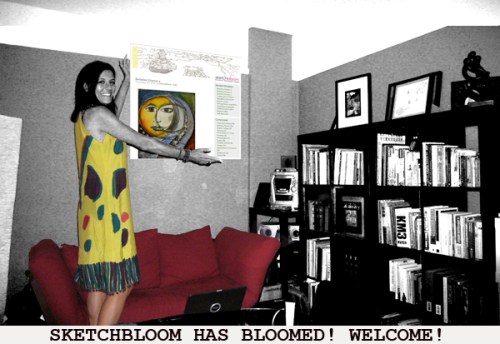
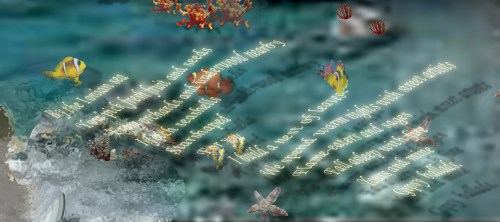
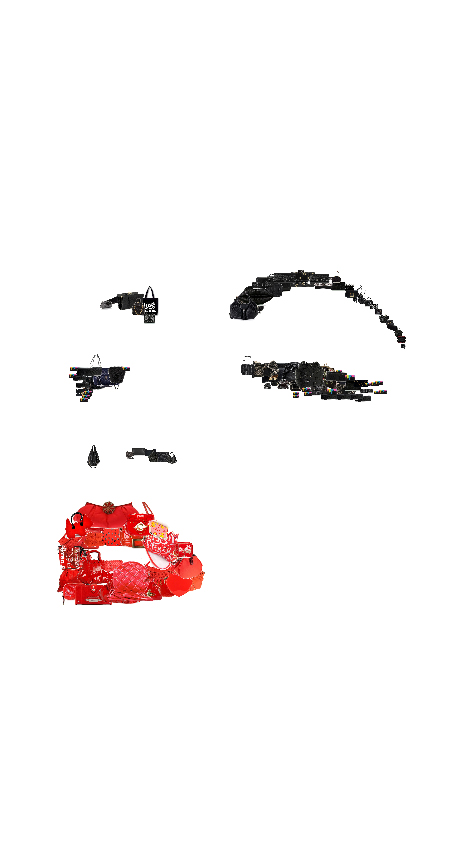
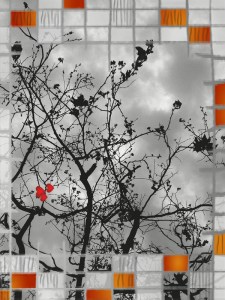
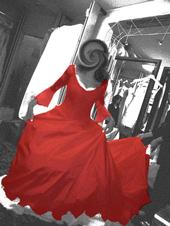
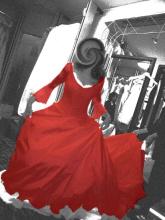
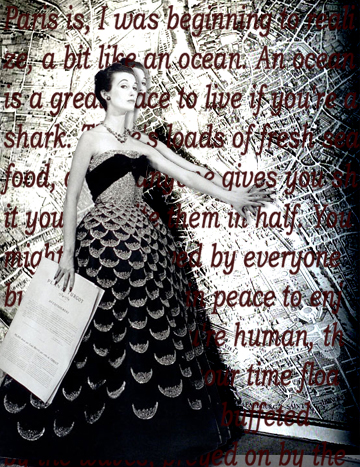
The Screen Woman. Digital Collage. Text from "A Year in the Merde" by Stephen Clarke.


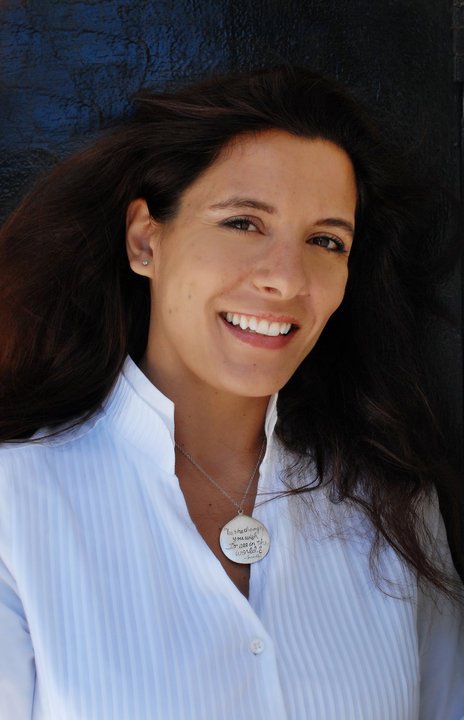
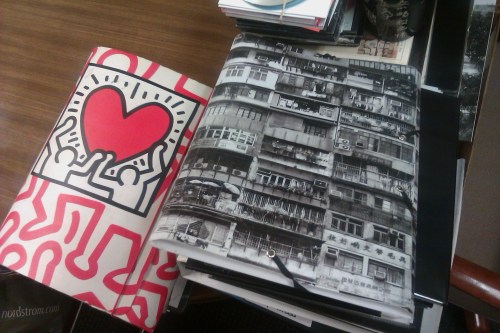
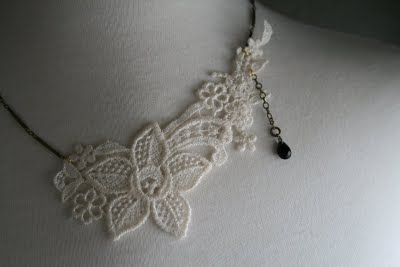
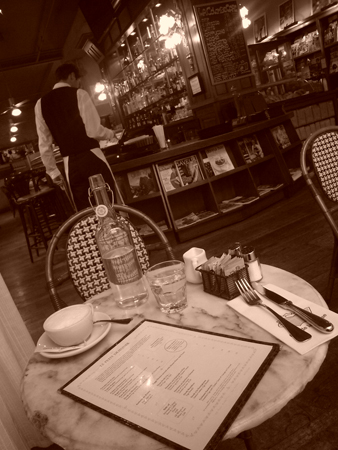
Photo from Inspired Goodness.

 
Founded in 2008, Inspired Goodness is a custom invitation and paper goods studio
located in Brooklyn, NY.
 
—————————————————————————-
 
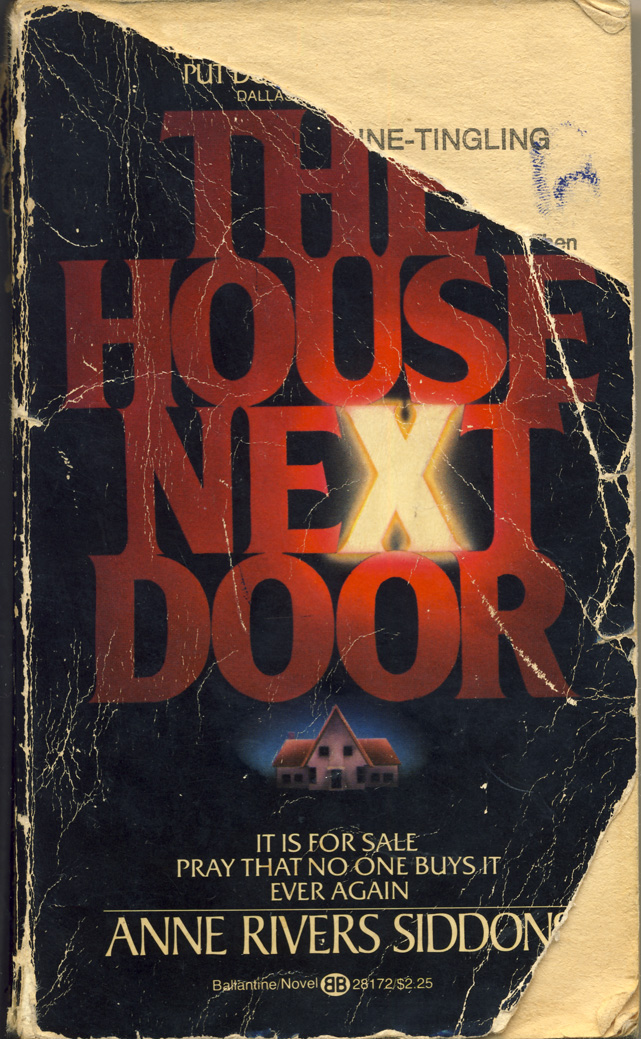
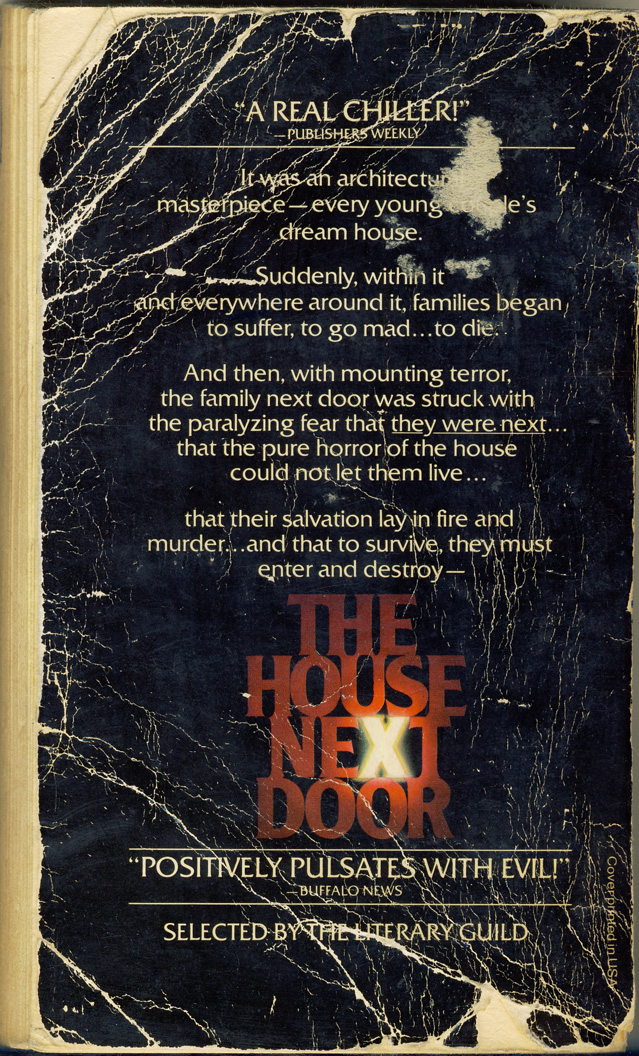
Notable books:


Read Full Post »

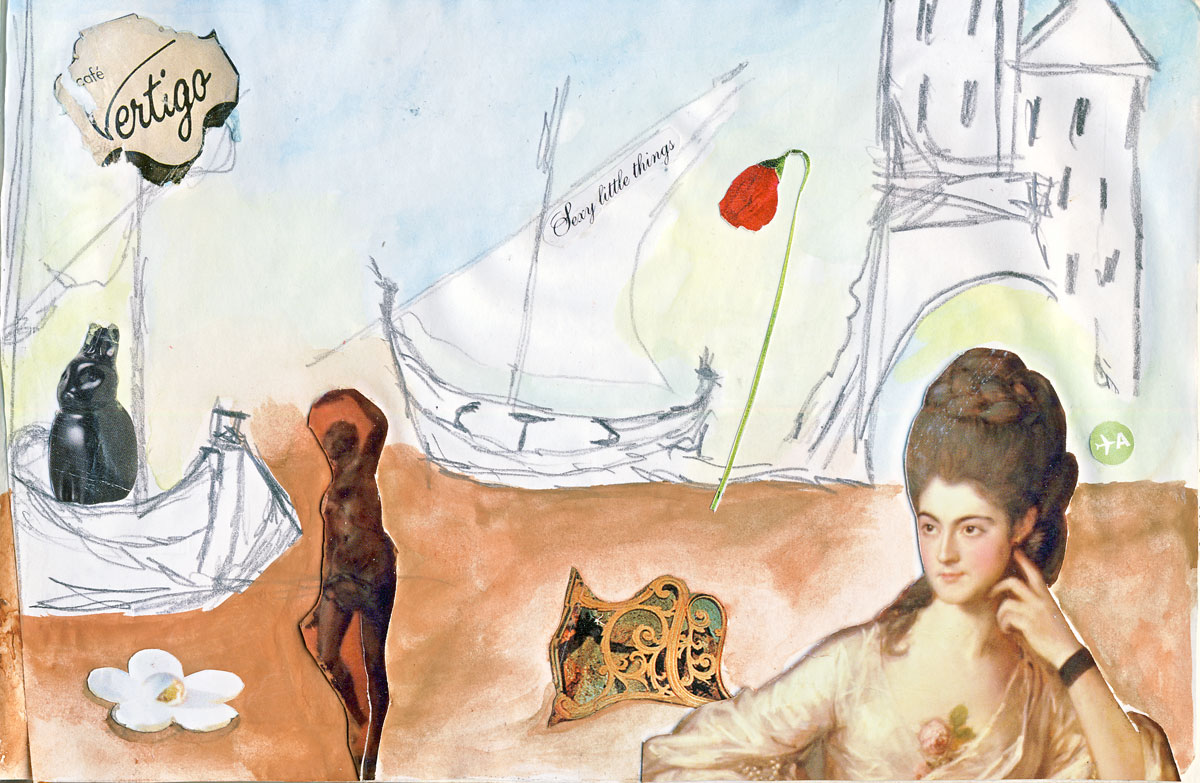
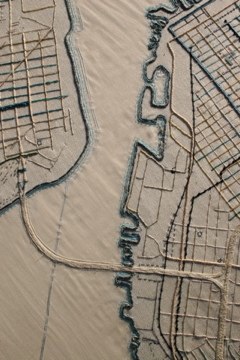
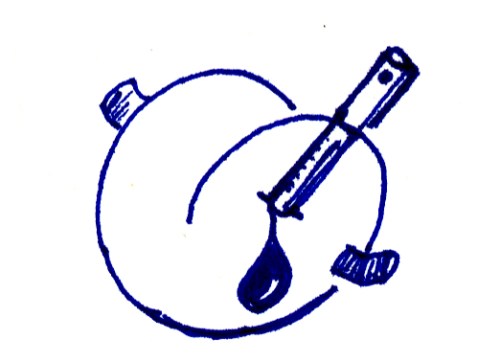
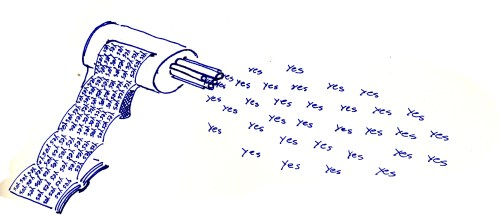
Digital Collage. May 16, 2011.


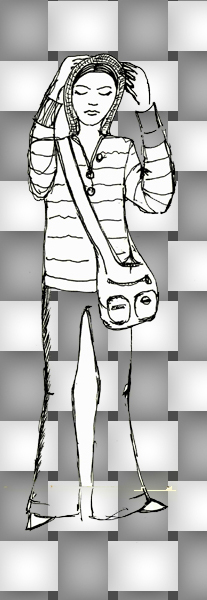
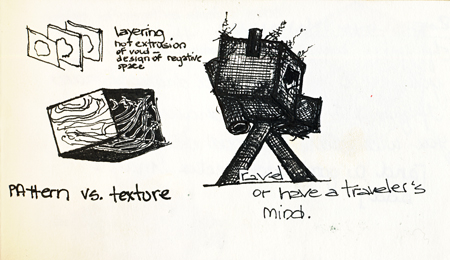
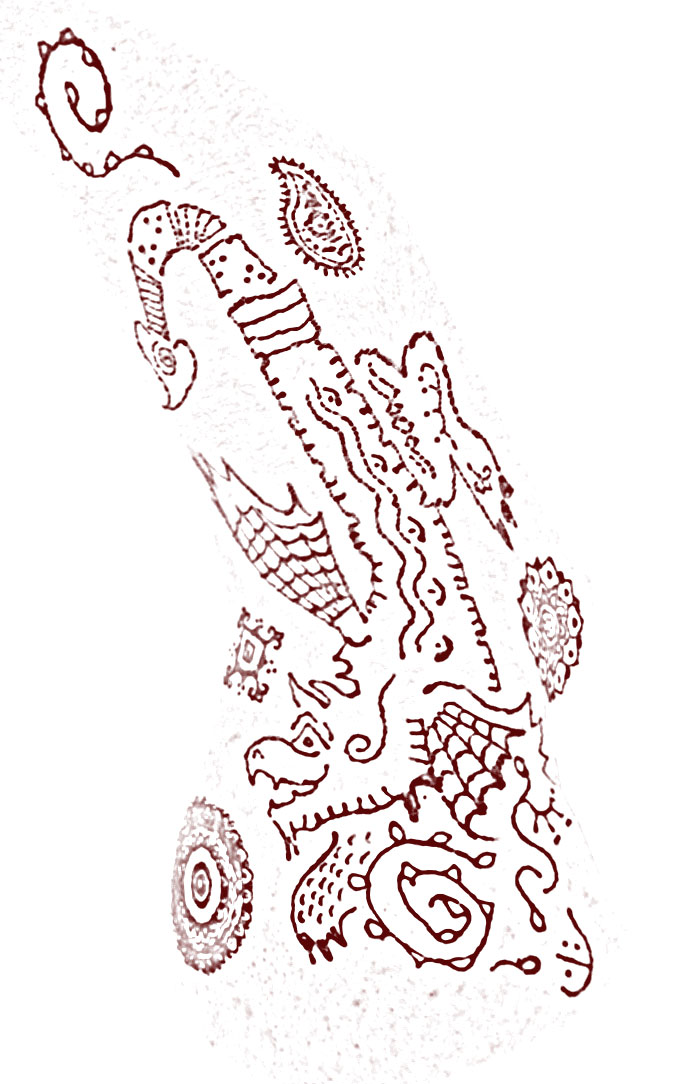
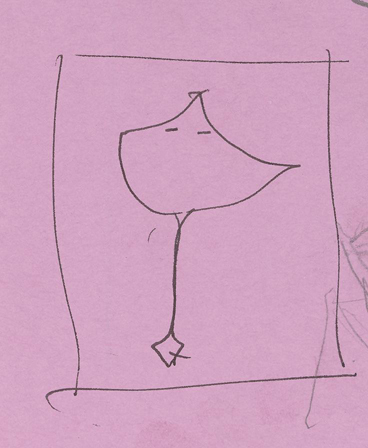
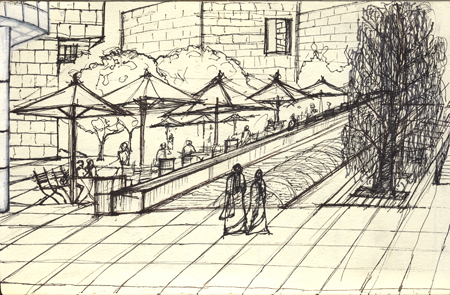
Ink drawing and digital manipulation. May 2011.

 
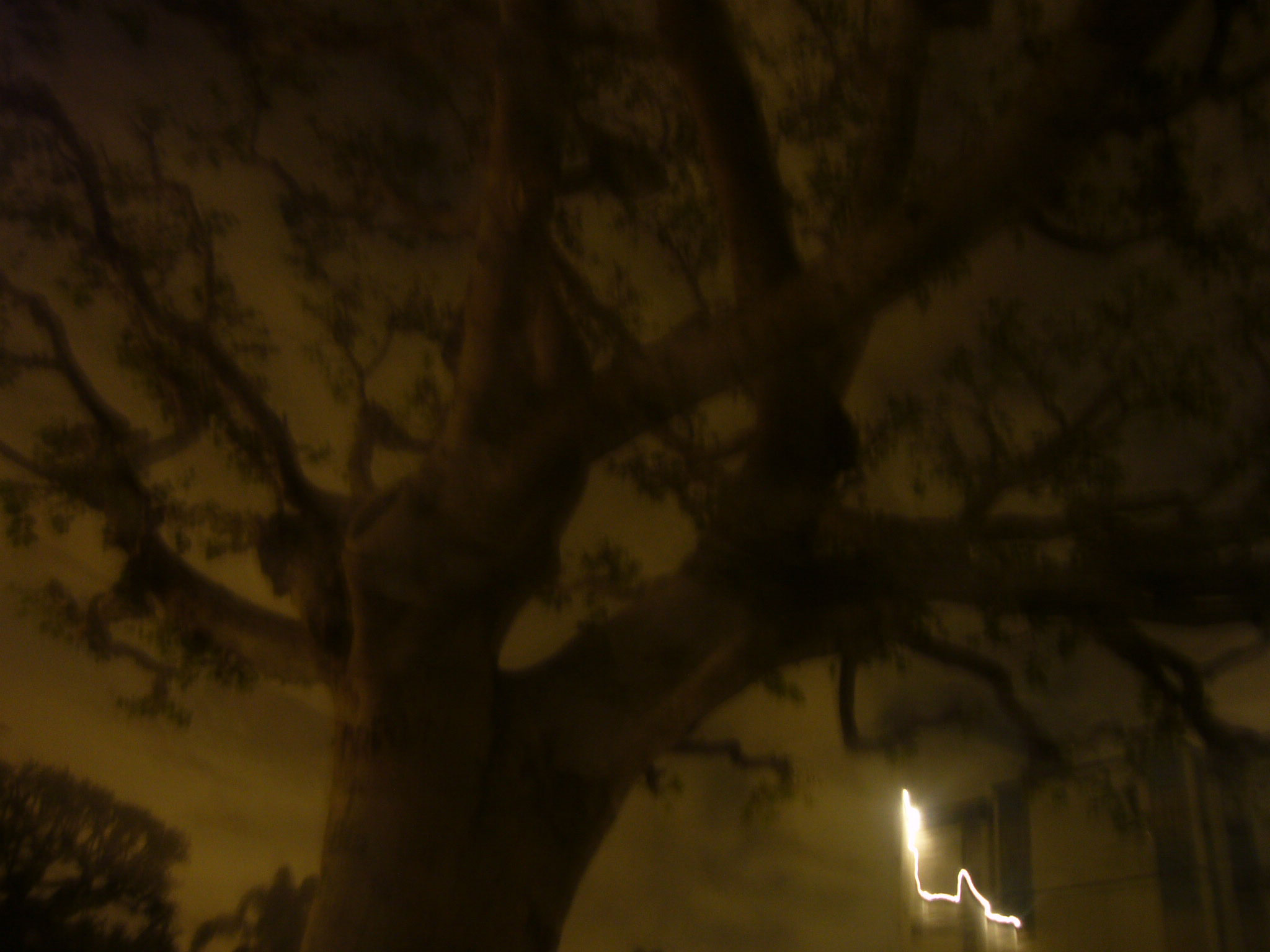
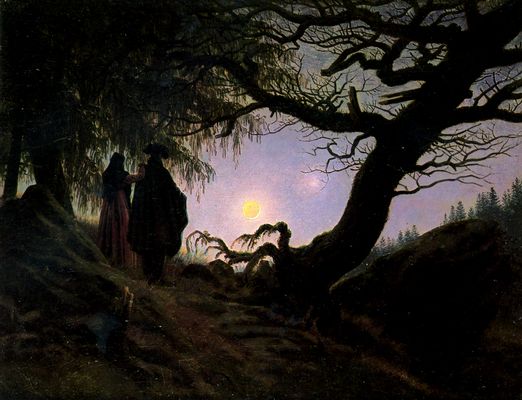
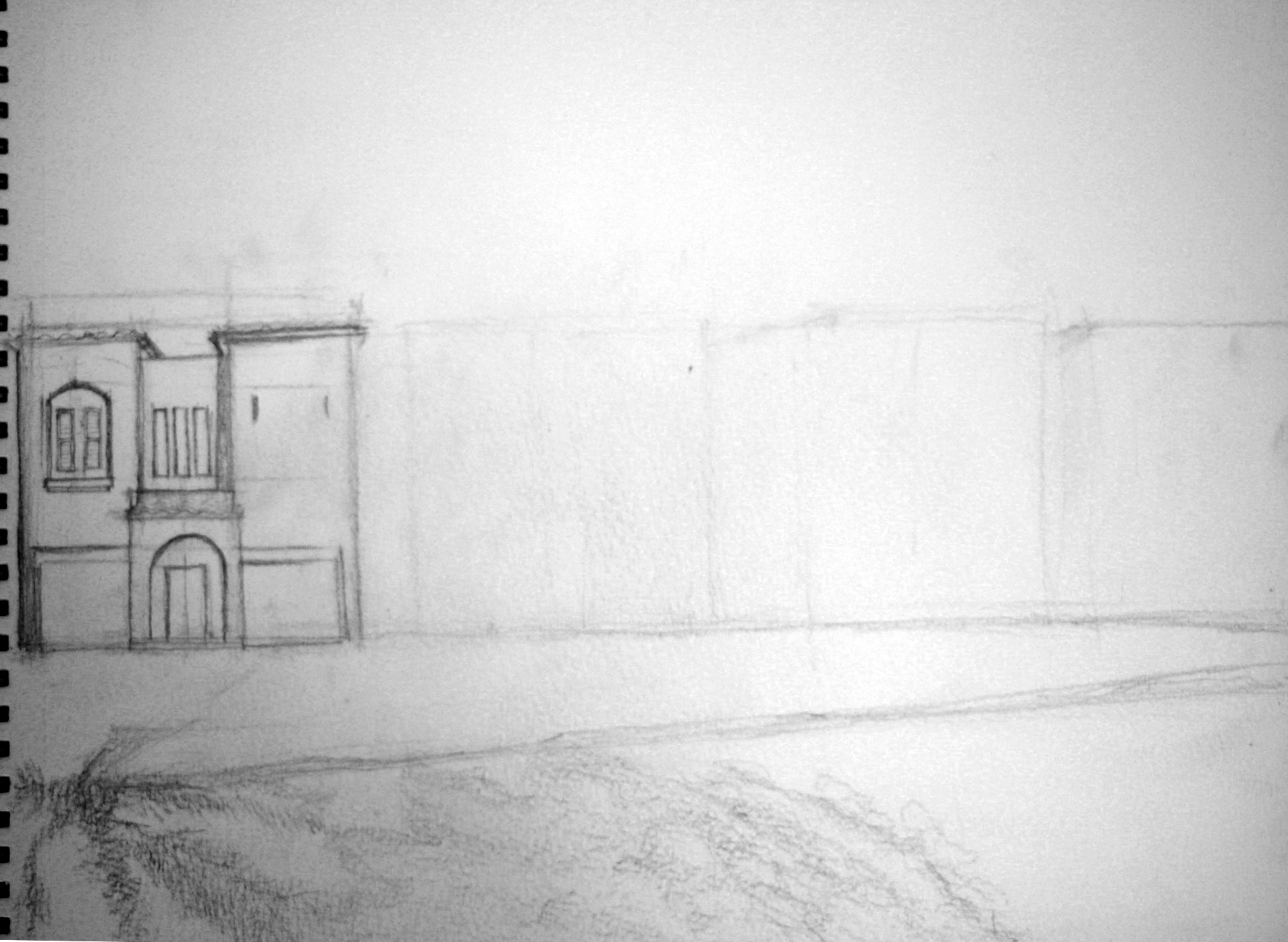
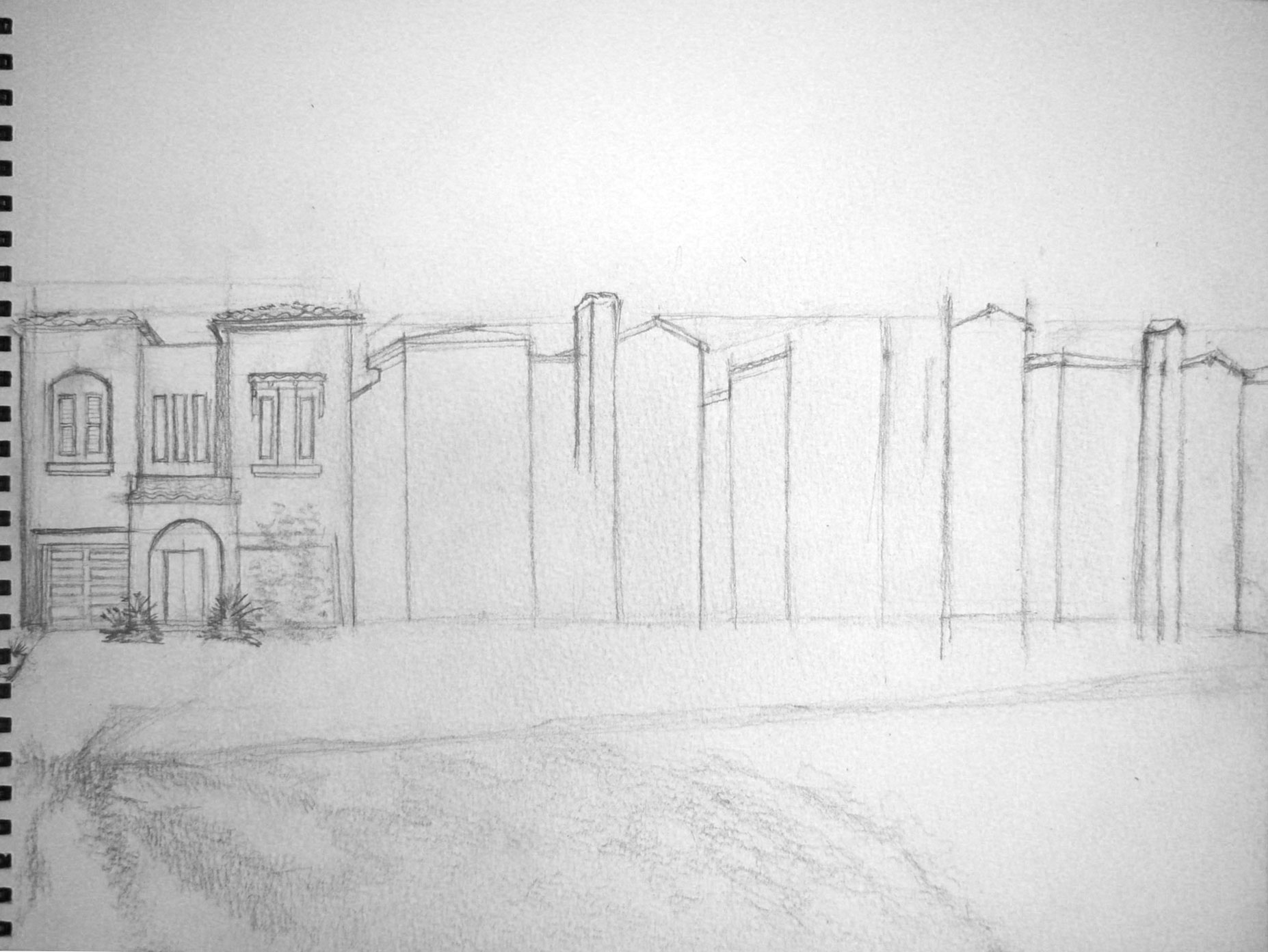
The Pretty Parking Lot
 
I have dreamt of perfect poems
faded like dewdrops upon awakening
 
About mice and buildings
built by men
 
Cities are sentences that haunt me
 
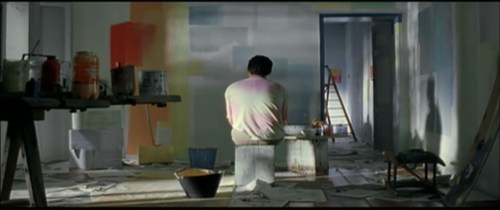
Book thieves, foreign movies…
the line is thin between memories and reverie
 
The fog has lifted
the rain felt soft (like a blessing)
yet I am in a pretty parking lot.
 
You left your eyes as you passed me by.
 
May 2011
 
…………………………………………………………………..
 

                     Where can I run? 
                    You fill the world. 
                   The only place to run is within you.

                        From Agata e la Tempesta| Agata and the Storm


……………………………………………………………………..
 

They miss the whisper that runs
any day in your mind,
“Who are you really, wanderer?”—
and the answer you have to give
no matter how dark and cold
the world around you is:
“Maybe I’m a king.”

               William Stafford


Read Full Post »

”]” 

13 Days of a mild artist block and a spring flurry of activities all around. It has been one busy month of May.  In the blog-material  department, I have been gathering up material for new posts (but failed to..ahem..post them), reading omnivorously,watching foreign movies,writing poetry on walls and collecting books mentioned or shown in said foreign movies — more on this later. It’s a lot to keep up with.

In days that go at double-speed, sometimes poetry finds you…and nothing is the same again.

You Reading This, Be Ready

Starting here, what do you want to remember?
How sunlight creeps along a shining floor?
What scent of old wood hovers, what softened
sound from outside fills the air?

Will you ever bring a better gift for the world
than the breathing respect that you carry
wherever you go right now? Are you waiting
for time to show you some better thoughts?

When you turn around, starting here, lift this
new glimpse that you found; carry into evening
all that you want from this day. This interval you spent
reading or hearing this, keep it for life –

What can anyone give you greater than now,
starting here, right in this room, when you turn around?

William Stafford           

Read Full Post »

Here are couple of my favorite artists from this past weekend’s ArtWalk.

Danny Hughes Studio

Image from fabrikmagazine.com

See Danny’s spirit-infused art here.


Andrew Mosedale

Image from artisan-santafe.com

 See Andrew Mosedale’s Fine Photography for the Eclectic Eye.


Amazon Fine Arts|Mario Cespedes

Image from amazonfinearts.net

Amazon Fine Arts Gallery

Read Full Post »

This slideshow requires JavaScript.

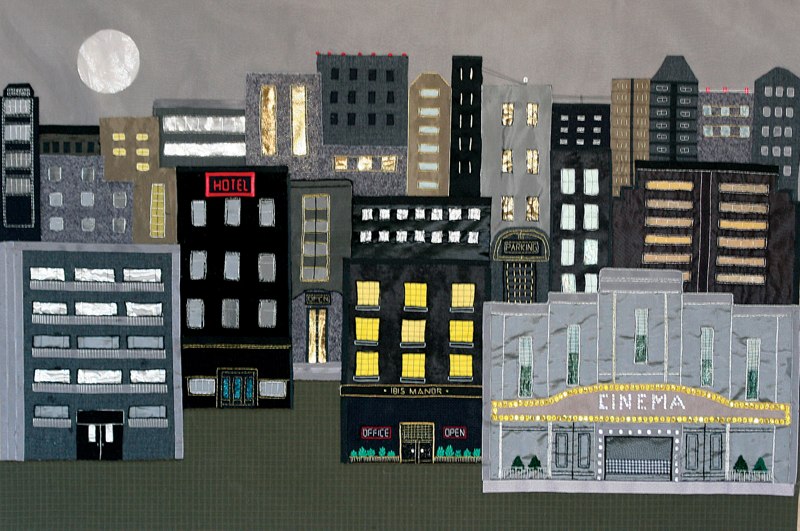
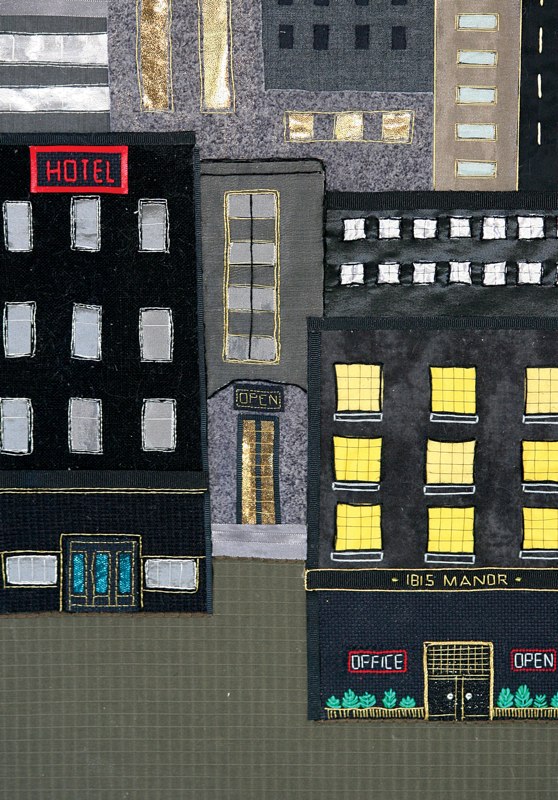
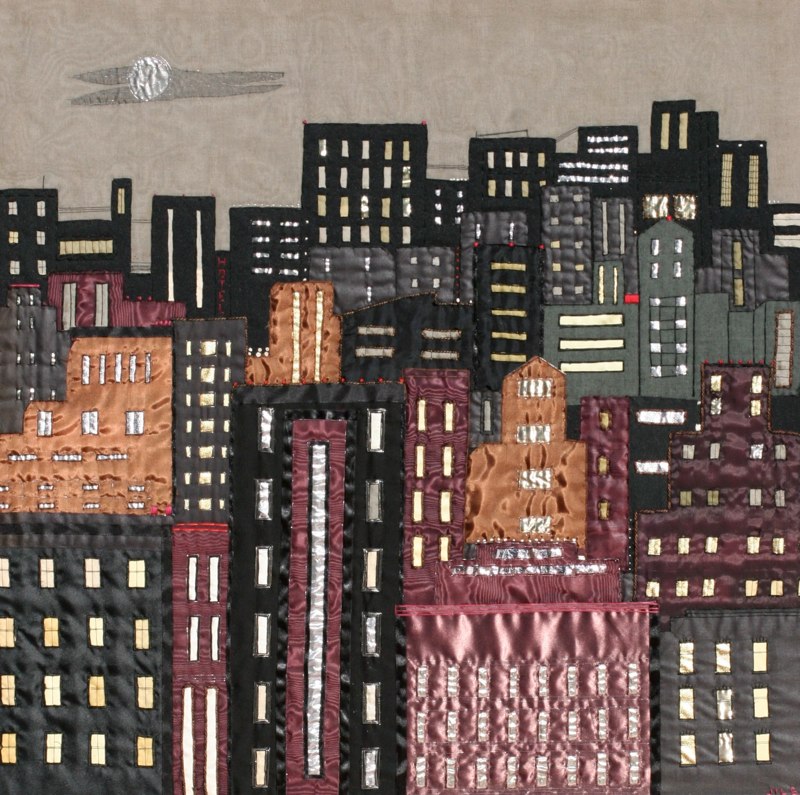
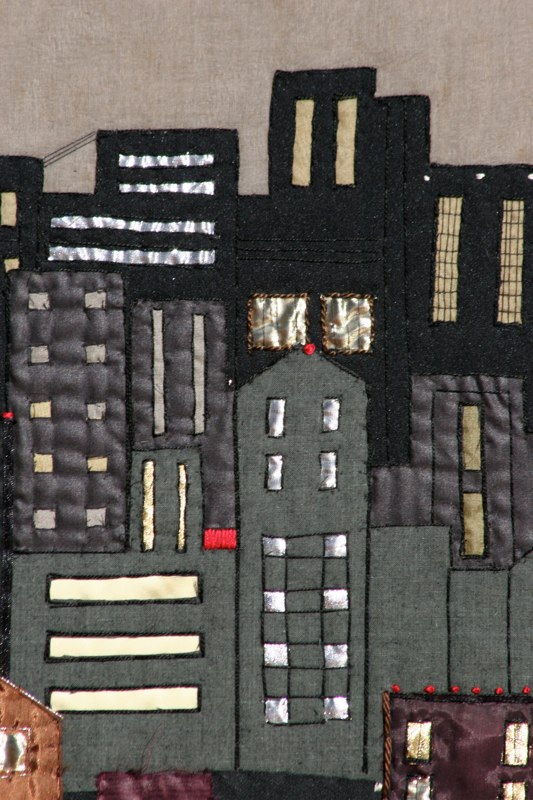
Almost finished with my city of felt.
ArtWalk in Little Italy provided the inspiration and urgency to come back today. Good people and my new San Diego coffee love, Caffe’ Vergnano, provided the energy. Happy May.

Read Full Post »


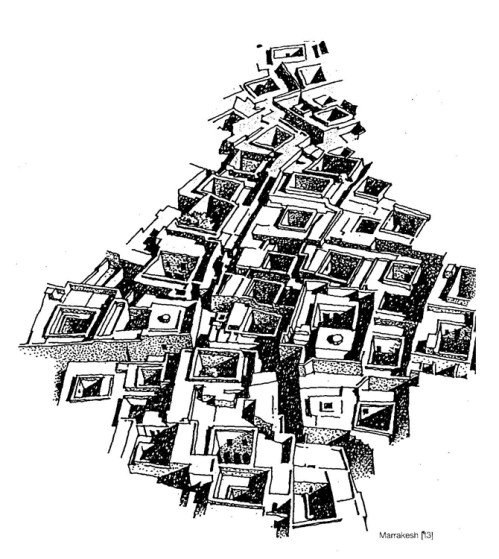
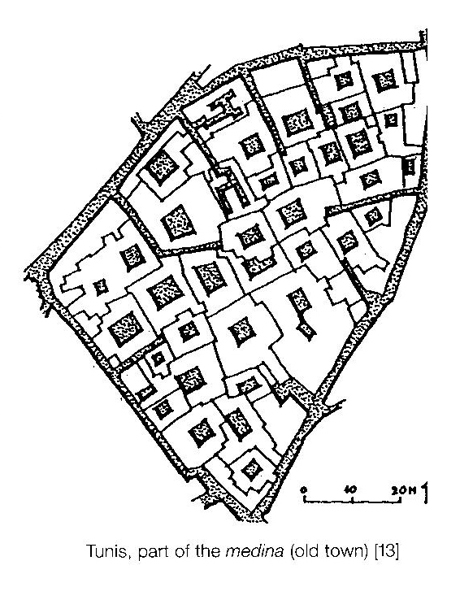
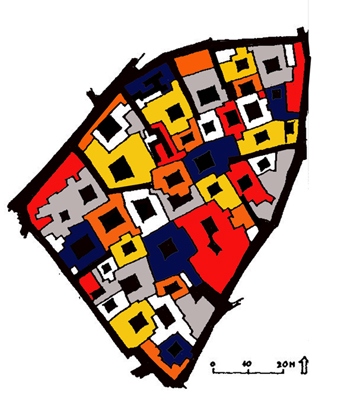
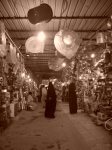
Marrakesh. From ‘Domestic Architecture of the Arab Region’.


From 'Domestic Architecture of the Arab Region"

Digital manipulation. Commissioned artwork.

Read Full Post »


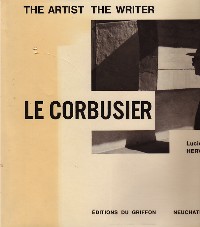
Architecture Depends by Jeremy Till Book cover

On April 08, 2011 I attended Till’s  provocative  lecture on his new book ‘Architecture Depends’. Here is a review from The Architects’ Journal (UK).

Here are some quotes from that day, from my notes, which i hope to be as faithful as possible:

The book was initially titled ‘Architecture and Contingencies’. The publisher made me change it to ‘Architecture Depends’. There are problems changing the title of a book once it is finished- and structured around a different title.

This book is a polemic. Architects detach themselves.  This detachment starts here in academia. Architecture students go in as humans and come back as architects.

Architects are separate from life. Autonomy in architecture is detachment.We witness the treatment of buildings as though they are detached objects, displayed in the media as something apart. This detachment is a dissolution.

All we got is Vitruvius: commodity, firmness, delight. Recycled through the ages!

Of all the impossible task that modernity sets for itself, order stands out. How does modernity achieve order? By exterminating ambivalence. Modernity is behind the Holocaust.

Corbu didn’t invent modernity. He was a symptom of it.

Modernity cannot get rid of contingency.

Contingency is getting rid of the idea that things may turn out differently. In architecture contingency is inevitable.

Architects would be banished by Plato.

Contingency makes us have to make choices.

Abstract vs. situated knowledge.

“All architecture is waste in transit.” Peter Guthrie

Le Courbusier tried to banish domestic inhabitation.

Parametric people are as conservative as the New Urbanists, the latter caught in an aggressive past, the former in a progressive future .

Modernity: concerned with purity, the color white…modernity is this gleaning table with this aesthetic of getting rid of dirt.

‘You don’t know how wonderful dirt is.’ James Joyce’s last words, from Gideon’s biography.

Architects ‘make space’…negative space…what does that even mean?

‘Social space is a social product’. Henri Lefebvre

The production of space is not the agency of architecture alone!

Sustainability=sustain the status quo. This word has become meaningless.

Elvis Costello and Lo-Fi architecture: I heard Elvis Costello once in an interview saying that when you record in the studio you get caught up in a certain kind of environment. He would ask to have the record played back on a cheap transistor radio, because that’s how the music is going to be experienced by most people. The same with architecture. We have to have in mind low-fi, transistor radio architecture as we stay in front of the computer, believing what we see. The more it looks real the less real it is.

Architecture cannot be about aesthetic alone: it deals with the social and ethical. It has to be alert to the context.

I don’t like to use pictures in my presentations because, as soon as I provide pictures, the argument becomes about aesthetic.

Professions set themselves apart by setting up problems they are the only ones able to solve. Professors do the same.

‘Architecture and Agency’ will be my next book.

Sensemaking vs. problemsolving.

In architecture we have created phony ethics, we have associated ethics with aesthetics, morality with beauty…God is in the detail, etc.

Doing good by doing beautiful buildings?

Professional codes of conducts are an example of phony ethics: these are not ethical guidelines, they are principles for relating to the client.

You can’t be ethical by doing beautiful buildings! You have to assume an ethical stance, a responsibility for the other. If we start thinking that every line on a piece of paper is an act of social responsibility, then every line assumes significance.

I am against ‘Anyone is Anyone’ conferences.

From the paper ‘Lost Judgement’ from the 2003 EEAA Prize by Jeremy Till – and referred to during the talk:

The Other for architects is the one or ones who will be part of the social space our buildings help construct. In this way we can be the architects Unger would wish us to be, “enabling people as individuals and as groups to express themselves by changing their situations. …(the architect) lives out his transformative vocation by assisting someone else’s.”

An ethical person is a person who gathers discordant opinions and makes the best decision. Hope is with given given circumstances. Stop investing in objects.

The next project I will do will be on scarcity. Scarcity is much more interesting to me.

Architects sold out the profession to the agency of Capitalism. In building Dubai they forgot it was going to be built by slave labor. If all you offer is commodity you have got nothing to offer. Spatial intelligence will get us away from the cul-de-sac we got ourselves into. We should be gathering contingencies and make the best possible solutions.

I like to think of architects as angels with dirty faces.


Read Full Post »

Here is another summary of the last two lectures I attended at UC Berkeley.

I’m posting this with some delay: I took a brief respite from blogging but have accumulated lots of new art and poetry to share.

Some housekeeping is on hand (adding links, tags categories etc..), but that is for another day.

1.  CED (College of Environmental Design) Lecture Series:
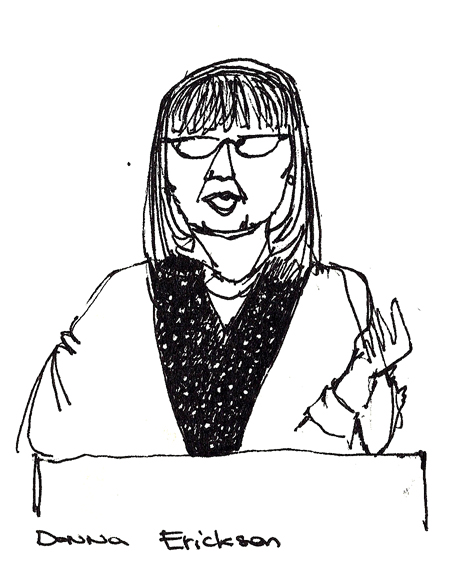
Donna Erickson: Connecting Urban Open Space: Implementing Metropolitan Greenways in North American Cities

Ink on Paper. April 7, 2011.


Quote from the lecture:

Forgotten is the fact that defined space, visionary space- not open space-makes the pulse race and the place pulse.

Jane Holtz-Kay


2. Institute of Urban and Regional Development (IURD) Seminar Series: Infilling California: Tools and Strategies for Infill Development

Seminar I: Policies and Programs for Sustainable Urban Futures

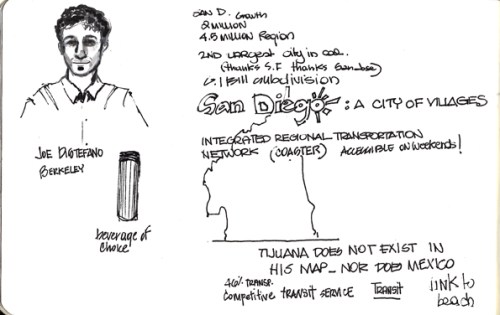
  •  Joe DiStefano, Principal, Calthorpe Associates, an urban design, planning and architecture firm based in Berkeley
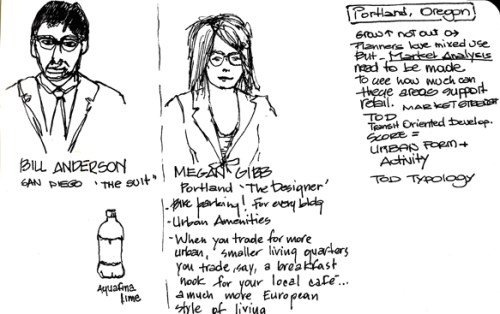
  • Bill Anderson, Director of the City of San Diego’s Planning & Community Investment Department
  • Megan Gibb, Manager of Portland Metro’s Transit-Oriented Development Program

Moderator: Robert Cervero, Director, IURD, and Professor of City and Regional Planning UC Berkeley

During the last, San Diego came up several times!

On Friday, April 08 I also had the pleasure of sitting in on Jeremy Till’s presentation of his book “Architecture Depends”. This was a provocative lecture to say the least, presented in a very unusual format. I will share some thoughts  from it next.

Read Full Post »

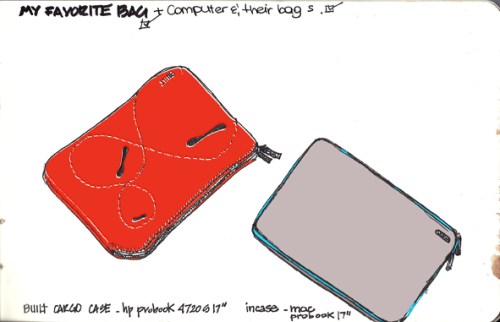
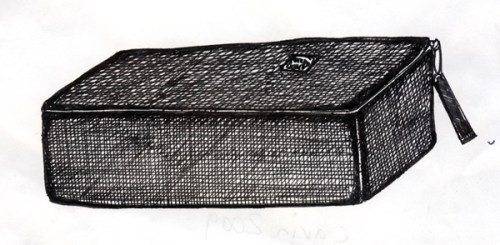
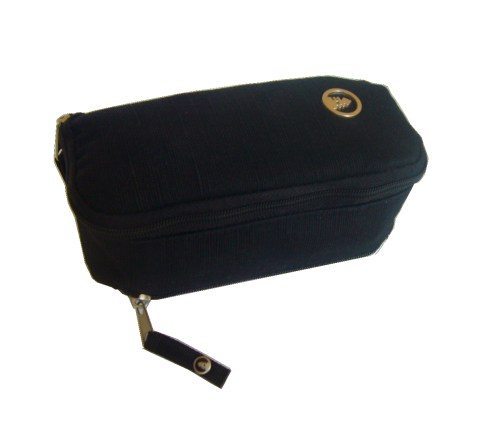
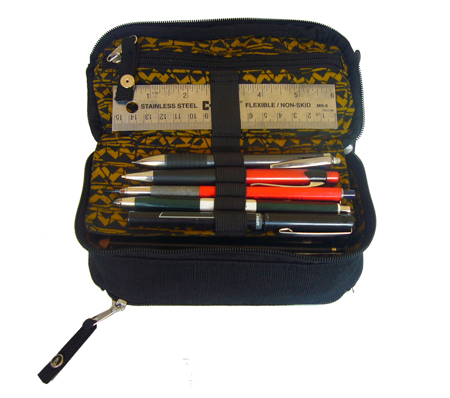
Accoutrements

Red Built Cargo 17" case + Incase Mac 17" Silver and blue case

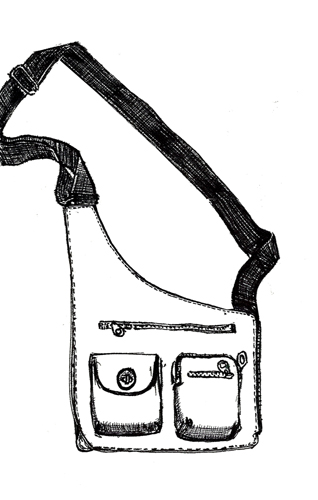
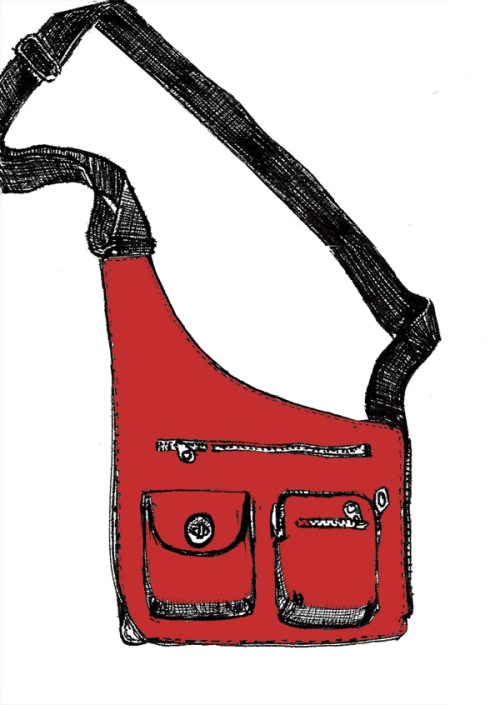
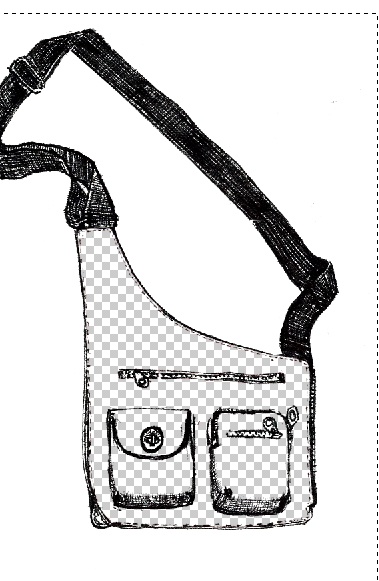
Baggalini bag. 

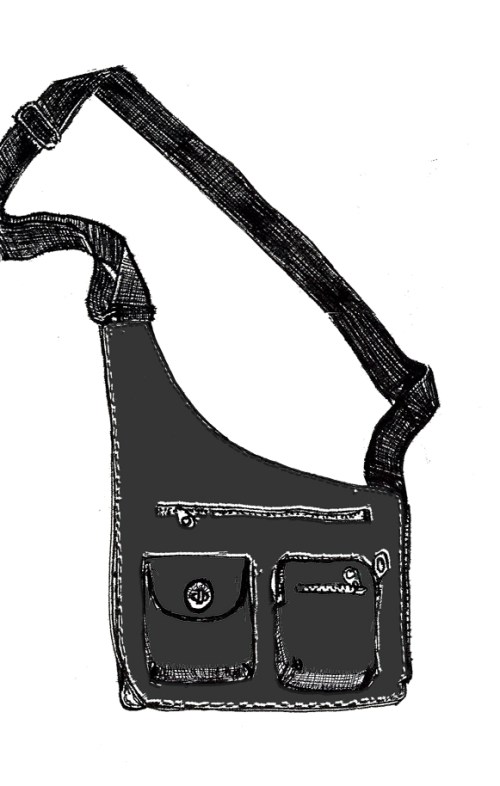
Baggalini Black.

Baggalini Red.

This Baggalini bag is not on their catalog, but i think this checkered version would make a good addition.


Read Full Post »

Read Full Post »

image

image

image

In order:
1. Golden Crochet Light , Personal Editions, Marcel Wanders, 2007.

2. Nastro bench by Gio Tirotto.

3. Wing modular system and indoor/outdoor dividers by Michael Koenig.

Click the image to be taken to the designer’s website.

Read Full Post »


The Coffee Shop. Amina Alkandari. Ink and Watercolor. April 3, 2011.


From: Gridskipper- Maps and News for Urban Travelers


Ritual Coffee Roasters

1026 Valencia St San Francisco, CA 94110

 A San Francisco refuge for coffee-drinking hipsters,

Ritual Coffee Roasters has very little to take issue with

 – strong cups of coffee (brewing their own brand as well as …

 those of others), free wi-fi. and late-night cups of coffee.

 Wind your way through the maze of laptops and curl your hands

 around a great cup of coffee while working on that novel of yours. [link]


Double Cappuccino. Ink and watercolor. April 3, 2011.


Our table|our things. Ink and watercolor. April 3, 2011.


Factory of ideas. Amina Alkandari. Ink on paper. April 3, 2011.


Read Full Post »

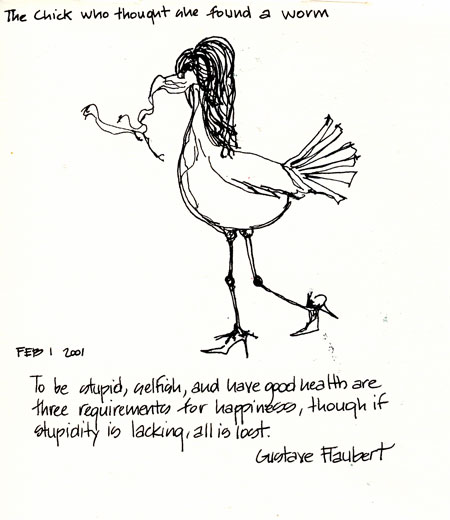
Reading Flaubert@Cafe' Flore. Ink and marker. San Francisco, March 2011.

Read Full Post »

Book: Eros e Thanatos; sketch, ink on paper. April 2, 2011


History of Coffee


Ethiopian sheperds

discovered coffee

when they realized

their goats

began to dance.


Michelle Ramadan


Read Full Post »

Rock garden at the Japanese Friendship Gardes, San Diego. Felt Tip on paper. March 22, 2011.

Ink on paper. March 22, 2011.

Felt tip on paper. March 22, 2011.

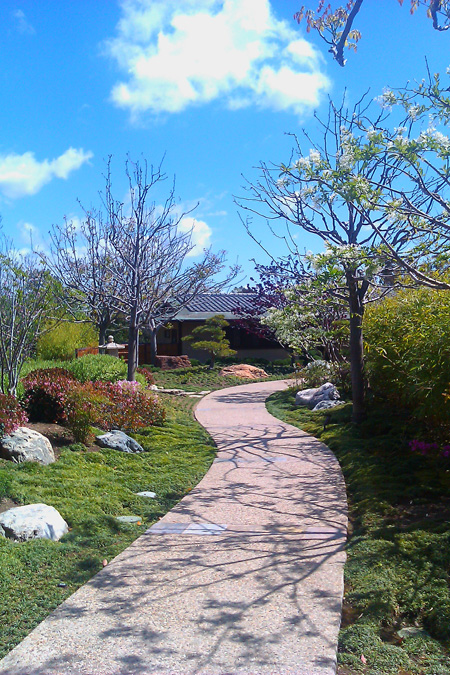
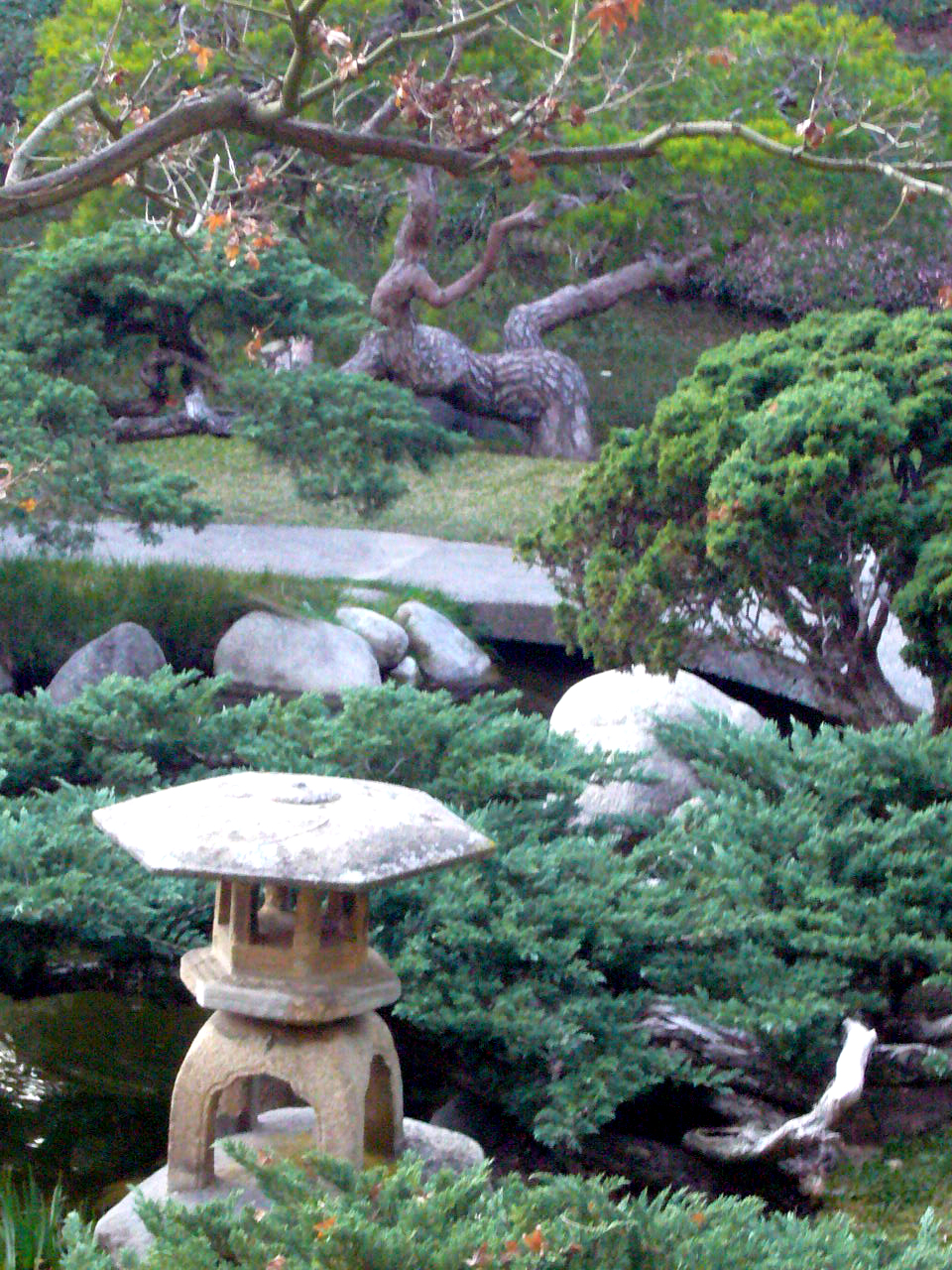
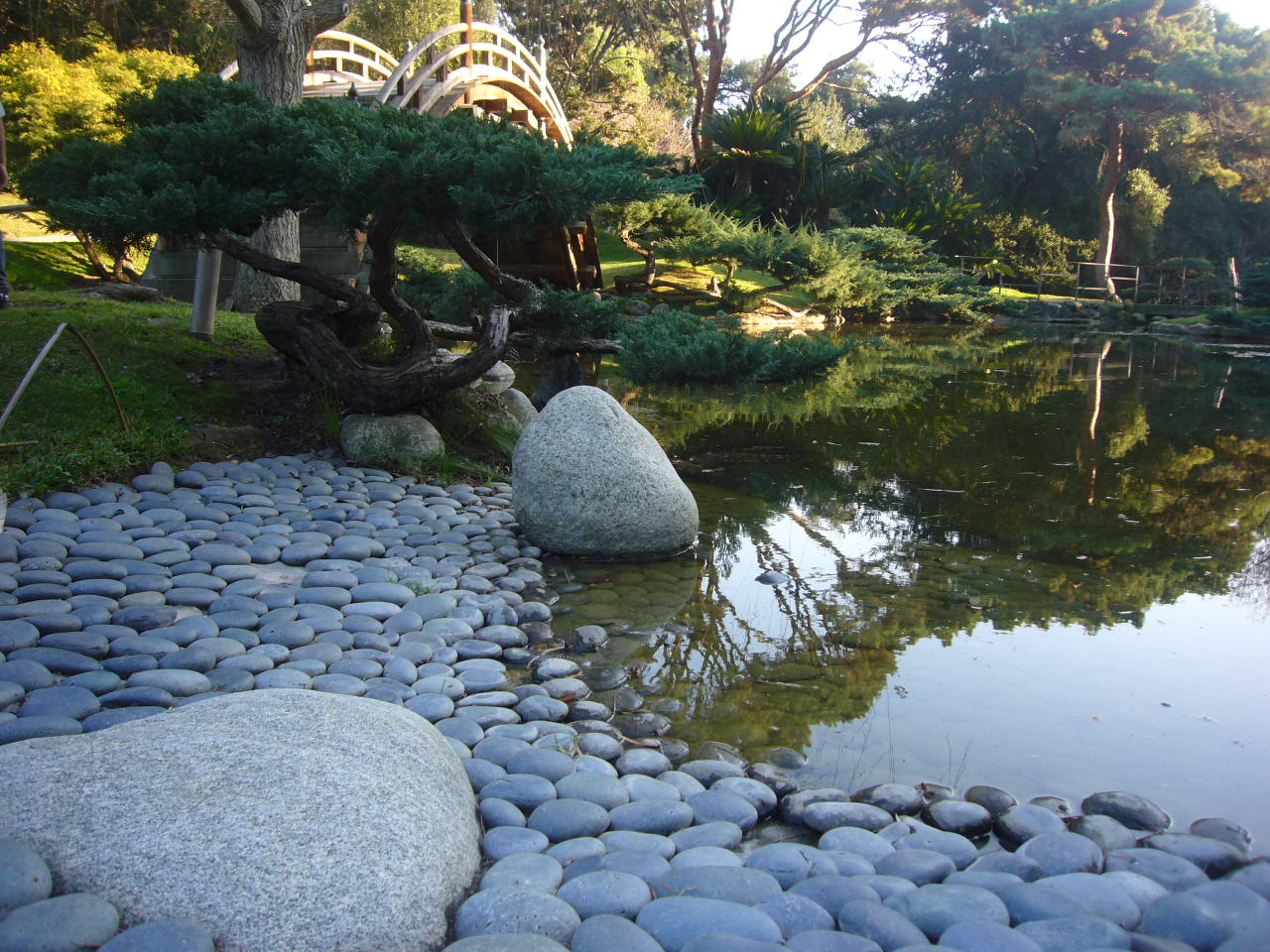
Yesterday I stopped at one of my favorite places in this gorgeous if somewhat superficial town of ours: The Japanese Friendship Garden within Balboa Park.
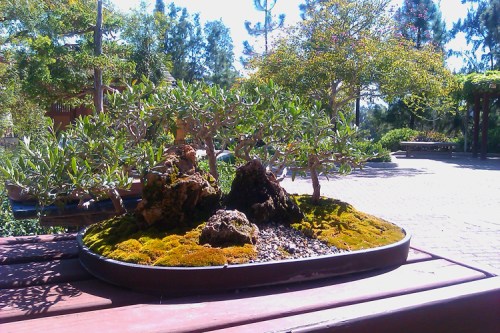
I always find serenity among the bonsai trees, looking at the way the light hits the vegetation around the koi pond.
This is a place for thinking, for letting go. A graceful ensemble of rocks, the shocking simplicity and beauty of it all, envelops the visitor/pilgrim.
I went with a thankful heart, I left with a sense of tender quiet. A prayer to the Japanese people, creators of so much beauty, minimal living, essential design.
First you are bent on acquiring, then the work becomes about reducing to the essential and letting go.
I saw this beautiful book and decided I wanted to take it home with me.

Japanese Garden Design by Marc P. Keane.

From the foreword by Preston L. Houser:
‘Tourists are insatiable creatures. There are basically two kinds, pilgrims and shoppers, and, in their mobile element, they assiduosly seek and devour.
Literally thousands of tourists visit Kyoto every day from different parts of Japan as well as from the far corners of the globe, and they mostly visit temples
and gardens- sacred places.  The pilgrims come to gain a sense of artistic heritage which will expand and enrich their cultural identities.  They temporarily
occupy spaces that artisans, aristocrats, and Zen masters of prior ages have occupied as if, by sharing the same “view”, a more enlightened perspective of the soul
and the world will be achieved. For the shoppers, on the other hand, petraveling is a kind of consumption, called “doing”, such as doing New York, or doing the Louvre, as if cultures can be done as one would do an amusement park or shopping mall–profane places.  The shoppers seem to revel in the hollowness of such misadventure, and their proclamation of experience invariably betrays an exaggerated sense of mal de siecle: “Been there, done that.”
Most tourists who come to Kyoto, however, are pilgrims. For them, the rewards of travel are more profound than simply being there and doing that-or so they would prefer to think.
In the spirit of a geography of the soul (peoples as places), how do we treat the people we encounter? Are we shoppers of people, or pilgrims of people?

Votive. Japanese Friendship Garden in Balboa Park, San Diego. March 22, 2011.

Bonsai. Japanese Friendship Garden in Balboa Park, San Diego. March 22, 2011.

Pathway. Japanese Friendship Garden in Balboa Park, San Diego. March 22, 2011.

Read Full Post »

Holding On

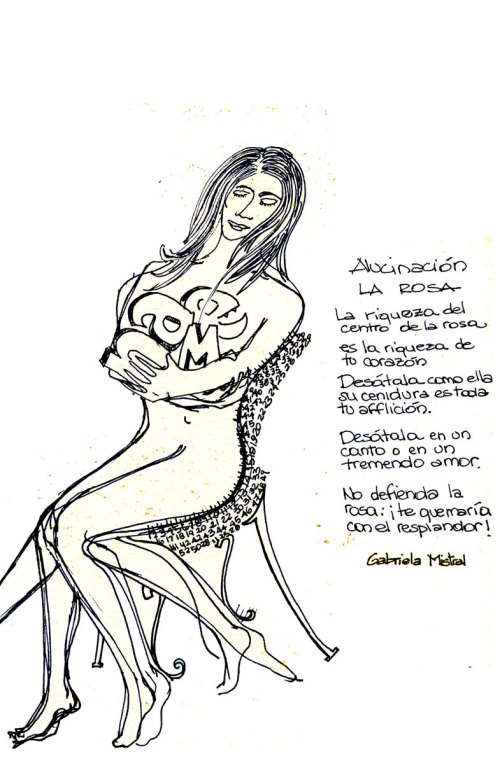
Holding on to my ill-gotten treasures (the woman with the 1000 legs) or '1000 Leagues Under the See'. Ink on paper. March 21, 2011.


Hallucination


THE ROSE


The riches of the heart of the rose

are like the wealth of your heart.

Let them out as it does:

holding them in is all your pain.


Let them out in a song

or in a great love.

Don’t shield the rose:

it would scorch you with its glare.


Gabriela Mistral 

Read Full Post »

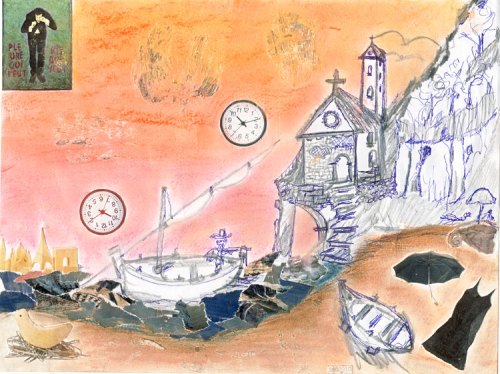
Mare Mosso Act III. Graphite and pen drawing by Gianni Aiello. Collage and pastel. March 19, 2011.

Read Full Post »


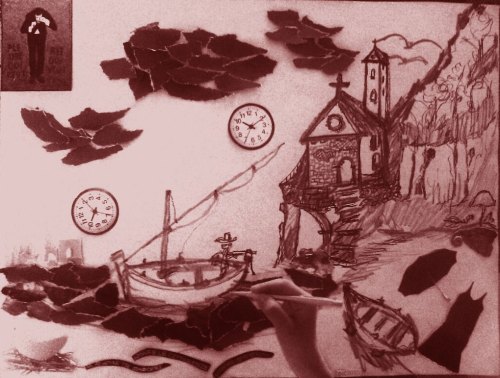
Mare Mosso Act I. Graphite drawing by Gianni Aiello. Collage. March 18,2011

Mare Mosso Act II. Graphite drawing by Gianni Aiello. Collage. March 18,2011


This is another collaborative work with my father. Some of the collage images are taken from the Muji catalog. Muji is an innovative design brand from Japan.

Read Full Post »

Ink on paper. February 2011.

Read Full Post »

Oh, Valentine

Drawing: Gianni Aiello, Collage: Miti Aiello. February 13, 2011

Read Full Post »

Ink on Paper. December 2010.

Ink on Paper. December 2010.

As architects, what we design, truly, is not the shell, but the quality of the negative space we create inside our building.

Funny how envelopes get all the attention, while 99% of the building’s experience is internal.

Surface treatment is a shallow employ, like a beautiful woman with a hideous soul…. the building too needs to ‘cultivate its own inner garden’.

Read Full Post »

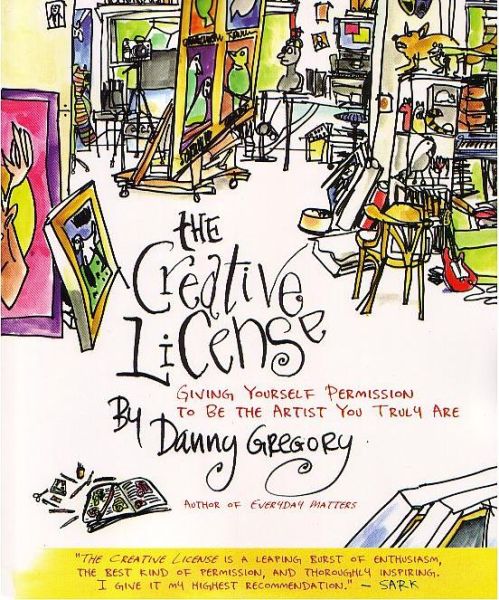
The Creative License by Danny Gregory. Click for his blog and links!

Everywhere I turn these days i see the word Creativity..could this be a sign …cause I have not been posting that much???

This post is more like…four…but so be it.

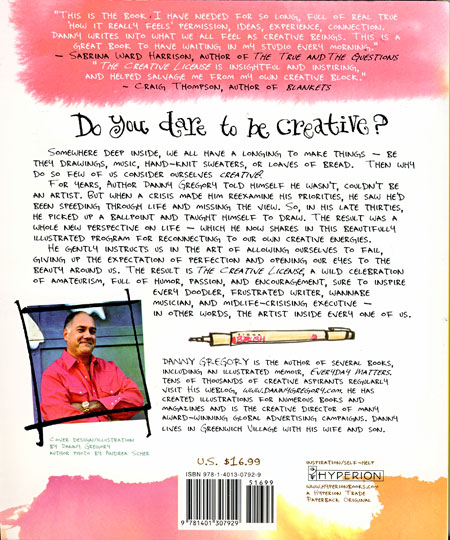
The back of the book. Do you dare to be creative?

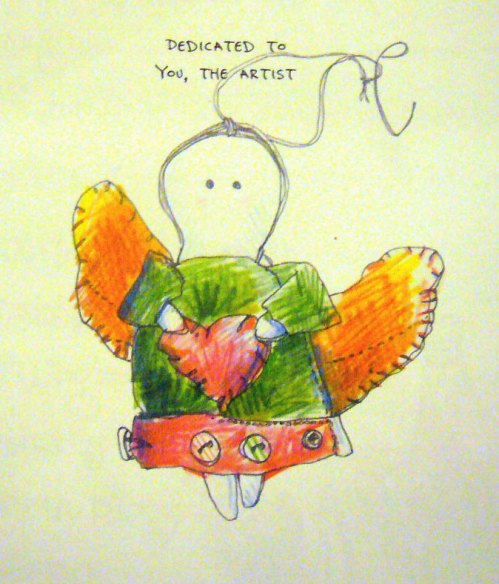
A dear student let me borrow this fantastic book: The Creative License: Giving yourself permission to be the artist you truly are. What a wonderful title. So this post, like the book is dedicated….

From Danny Gregory's book The Creative License.

This book is full of helpful suggestions, assignments and encouragements for artists, wannabe-artists and artists-to-be.
There are helpful tools, techniques and a great section on negative space. The style reminds me of Michael Nobbs and his ‘Start to Draw Your Life’ [find link to download his e-book here]
I love this quote:

I believe in the energy of art, and through the use of that energy, the artist’s ability to transform his or her life and, by example, the lives of others.

Audrey Flack

Inspired by the ‘sketch your life’ vibe,I finally got around drawing something that has been giving me JOY lately:

Ink and watercolor on paper and tracing paper. A bit of digital manipulation. Feb. 09,2011.

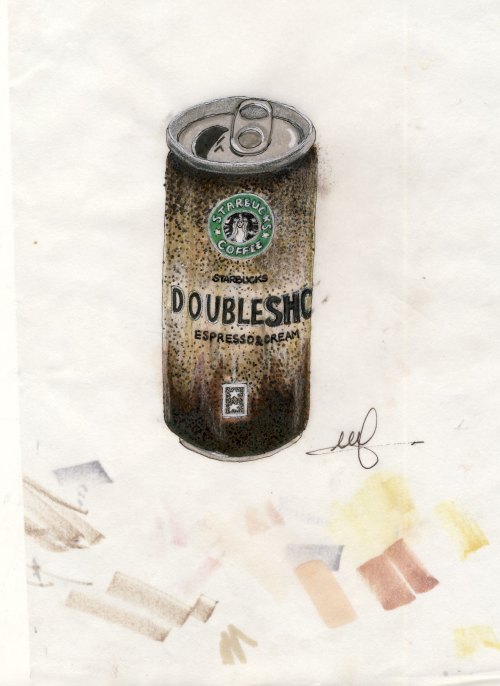
Yes! These magnific Illy concoctions have come to a freezer near you…I love these babies.
I also picked up the Oprah magazine…i do enjoy this publication…as a reader said ‘it brings a little magic into my life’. I devour news and ‘serious’ books ( I love novels, but have started a stack of non-fiction and architecture-related books in the past four years …and I am determined to finish it by the end of the year)…so sometimes Oprah reminds me to feed my spirit. Go ahead and judge:P
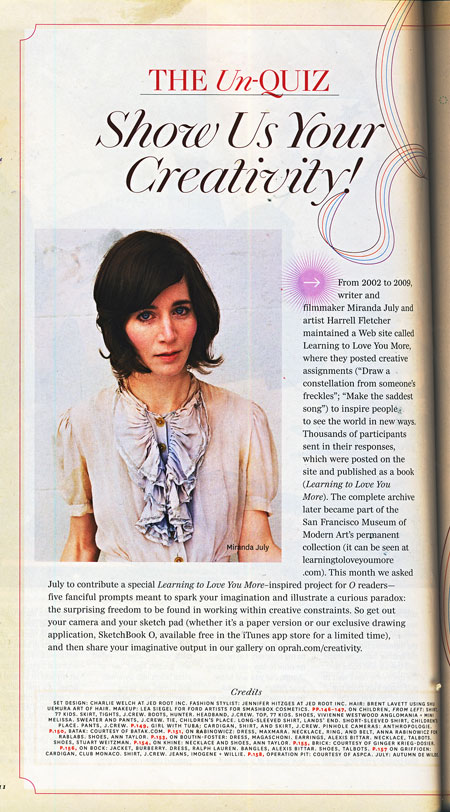
This month’s issue caught my eye, for the focus was creativity.
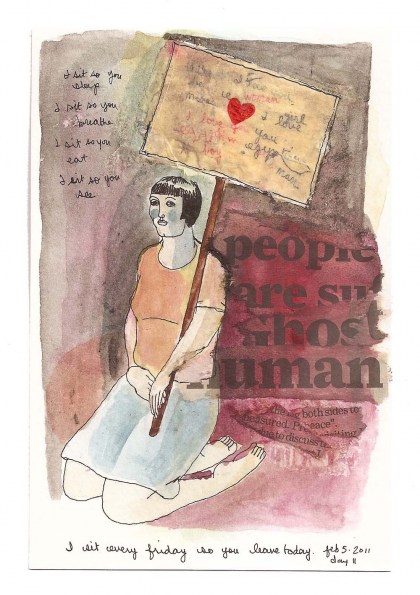
This is the un-quiz I am taking…designed by filmmaker Miranda July and Artist Harrell Fletcher, creators of the website Learning to Love You More. Click for creative assignments!
The results will be uploaded at oprah.com.
If you are so lucky to have an Ipad, you can check out Oprah’s own sketchbook app, SketchBook O.
Here are:
7 WAYS TO SPARK YOUR CREATIVITY:
(from designer Anna Rabinowicz)
1. Read Not a Box by Antoinette Portis
2. Go Outside
3. Start a collection
4. Touch Stuff
5. Travel Solo
6. Go Analog
7. Grab every opportunity
(read about this on this month’s issue of O, the Oprah Magazine)
One of the things I am always reminded of when I read Oprah is to give gratitude. It has been difficult lately, between my hypercritical mind, a full-out technological meltdown and a string of missed yoga classes. Nonetheless, I would like to give a shout out to these three creative individuals who are an inspiration!
1. Ghadah Alkandari @ prettygreenbullet: my blogsister, who elevates blogging to a religion, source of daily inspiration. I love you, woman.

Ghadah Alkandari, Goddess of Daily Goodness. This is her post from February 5,2011. Click to Ghadah.

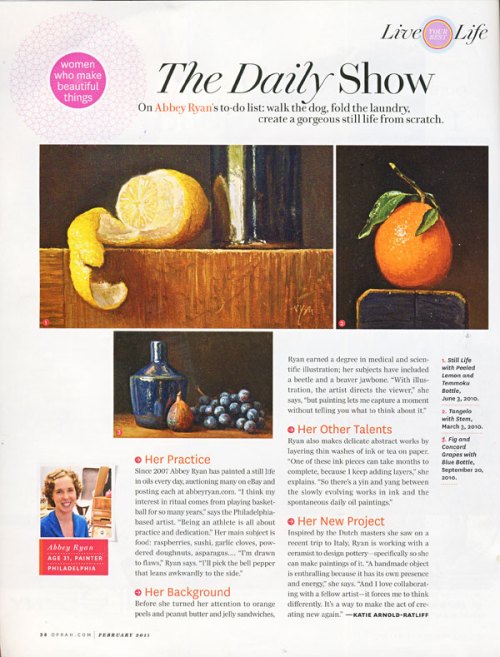
2. Abbey Ryan @ abbeyryan.com

From Oprah's February Issue: the blog abbeyryan.com. She has posted an oil still life every day since 2007. WOW! Click to find Abbey.

3. St. Loup and his Secrets and Lies
Always thought-provoking…my virtual literary cafe’.

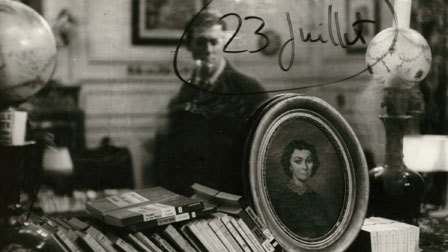
From St. Loup's Secrets and Lies: Maurice Ronnet Le feu Follet - Luis Malle (1963)

Read Full Post »


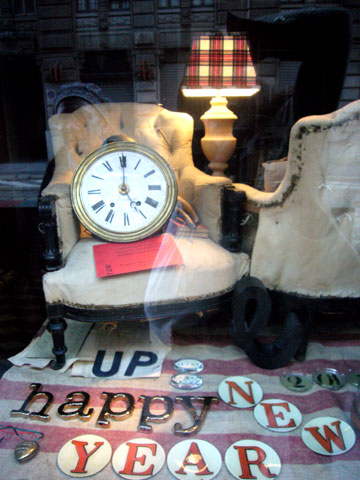
Window of an interior designer studio, Milano.

While the first day of 2011 is coming to a close here in Milano, I think of what my mom always says: ‘What you do the first day of the year, you do all year’. I am happy to report I sketched today and fed my mind with architecture, art, and words. I also wanted to post my Milanese wishes to set the tone for this fabulous (I just know) 2011.

It was a week full of adventures here: walking in the city, enjoying aperitivi in cool lounge bars, ringing in the new year with family first and then in a club inside a deconsacrated church (can someone say adaptive reuse?). I saw two exhibits at the Palazzo Reale: Dali’ (thankyou Sara!) and, today Al-Fann l Islamic Art, the Al Sabah collection from Kuwait.

I sketched my favorite pieces, took notes (and even some clandestine photos), and have couple of ideas for near-future experiments.

For now, Happy New Year (I’m feeling good, are you?); may it be your best yet.

Read Full Post »


Christmas Day finds me in Amsterdam this year, on my way to Milano. Internet access may be intermittent the next few weeks, and while I plan to do art and sketch (well, as much sketching as subzero temperatures will allow), I won’t have my scanner so the quality of the drawings, collages and whatever else I may do will not be pristine, so bear with me. After all, this is the beauty of traveling: not having your usual environs, trappings and equipment leads to creative problem solving and a bit of experimenting (even though, judging from my luggage, it sure does look like I am carrying all my trappings :P). I plan to use a very nifty feature I discovered in WordPress: post by SMS (text). I am not sure my Italian sim card will allow me to use my Android phone as modem or that I will have internet on it, but I sure will be able to text so I am looking forward to post some impressions of Milano in winter, maybe even some life ephipanies (ha!).
For now I want to leave with some quotes I took down from the movie Eat, Pray , Love (don’t judge, it was playing on the plane and I happen to dig the author, as I mentioned before):
 
 
Italy:

Americans know entertainment, but they don’t know pleasure.

In Italy we have the expression ‘dolce far niente’ ; the sweetness of doing nothing.

Maybe you are a woman in search of a word.

Ruin is a gift. Ruin leads to transformation and evolution.

Bali:

Learn to see with your heart, not with your eyes, or with your head.

Meditate while smiling. Smile not just with your face, smile with your head. Smile even with your liver.

India:
You don’t have to be married or have children to have a family.

You have to learn to select your thoughts everyday, just as you select the clothes you are going to wear everyday.

God dwells within me. As me.

To live is to trust.

What if you had the capacity one day to love the whole world?

…..
A Merry, Merry Christmas
And a Happy New Year
Let’s hope is a good one
Without any fear.
(And so this is Christmas, and what have you done?)


Here is to new beginnings without old nonsenses.

Here is to lots of art and growth (and lots of good things to share)


Read Full Post »

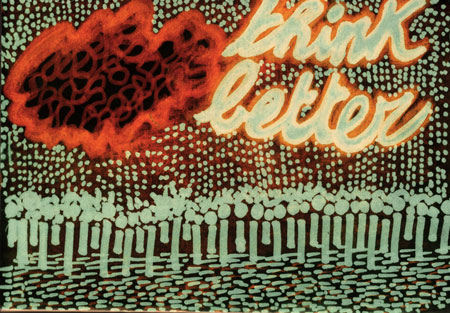
Marker on paper, digitally modified. December 2010

Think better, and multiply- The Vedic way. Thank you for existing, Open Culture.

Read Full Post »

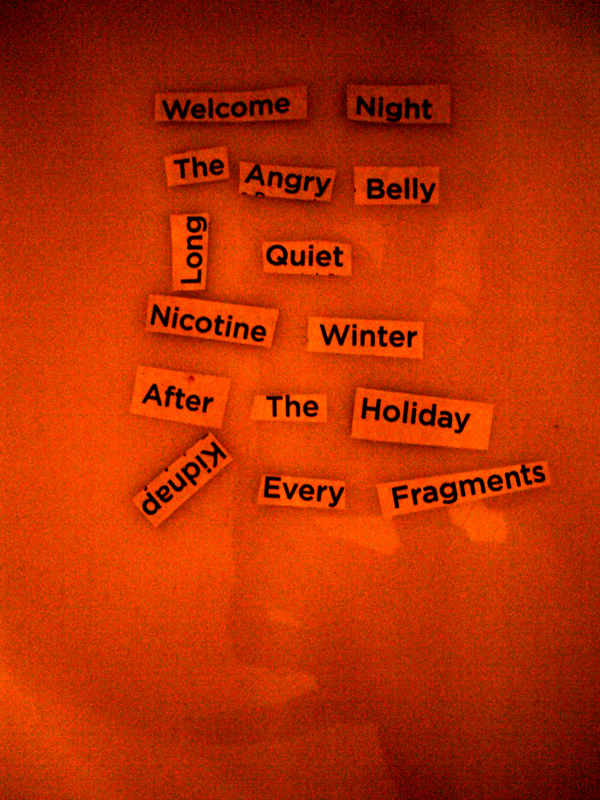
Photograph- Digitally retouched. December 18, 2010

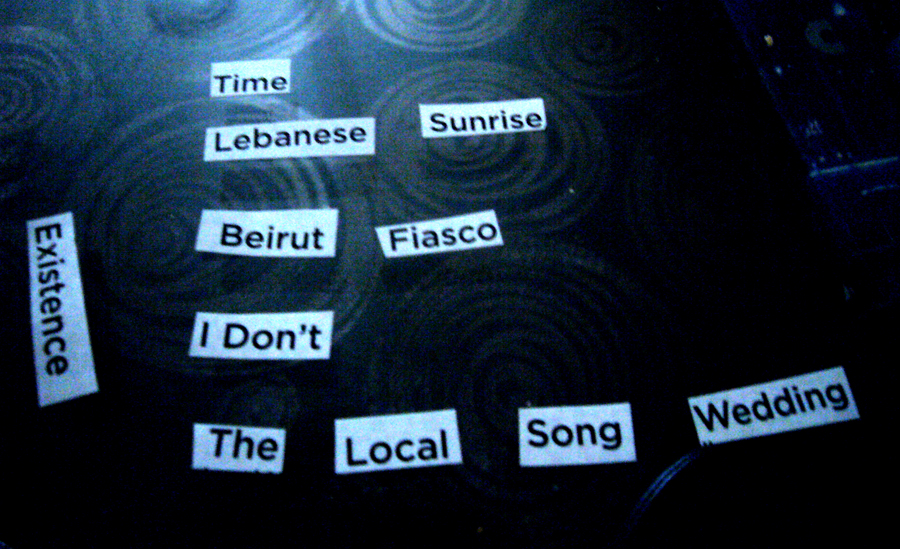
Photograph- Digitally retouched. December 18, 2010

This is a continuation of my experimenting with words from the Arab Film Festival in San Francisco.

Lastly, an irregular haiku:

How quickly

the lizard

loses its tail!

San Diego, December 16, 2010

Read Full Post »

Photograph. September 2010, Balboa Park, San Diego.


Hope     

Hope is the thing with feathers
That perches in the soul,
And sings the tune–without the words,
And never stops at all,

And sweetest in the gale is heard;
And sore must be the storm
That could abash the little bird
That kept so many warm.

I’ve heard it in the chillest land,
And on the strangest sea;
Yet, never, in extremity,
It asked a crumb of me.


Emily Dickinson, 1861

Read Full Post »

This has started to be a weekly blog, and I am not too happy about it. This Quarter has been so intense in a stupendous way: I am involved in a myriad of exciting projects at the school and became involved in new committees – and that has meant less free time, but an overall brand new meaning in what I do. And did I mention the books ? In my studio class we are talking about designing negative space and casting shadows and in history we are in the Golden period of Classical Times : Greece (what have the Greeks done for you lately) and Rome. Who could ask for more?

Throughout it all, we have ‘got to keep the heart’ as Wanda, my sweet ex-neighbor said. Brain food needs to be augmented by daily spirit-food, soul-food…heart-food. As fully-realized human beings we have to ask an incredible amount from each day, but I believe it’s the only way to go…or you could just go on auto-pilot and become numb. Art and what happens here is just that for me, an outlet and inlet of pure ‘heart-stuff’, to balance the facts and seductive theories I’m immersed in everyday. Could we say this is my Dyonisian to the Apollonian? The days that I don’t get to post or practice are somewhat overcast, a bit stuffy, as though not enough light or air was let in.

I finally completed my Viva La Revolucion post and a related ‘revolutionary’ piece {see previous}. It took FOREVER. I don’t know why I keep giving myself homework. But I hope you enjoy that line of thinking, always trying to put it all together in a somewhat cohesive way that has to do with the nature of this forum.
The Holidays are coming and I am looking forward to post more frequently and produce more work. And I have a long list of things/topics so definitely stay tuned!
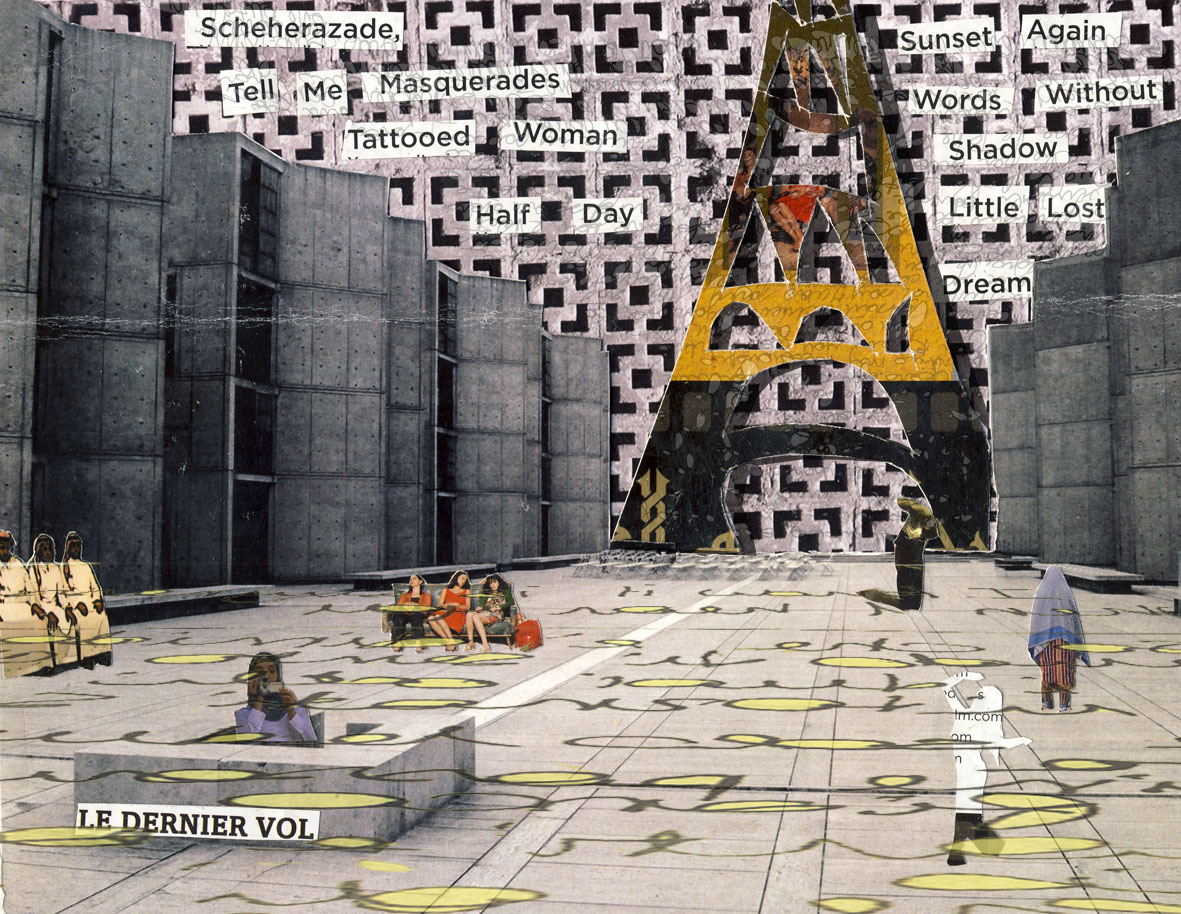
I finally had some time to do a new collage today.

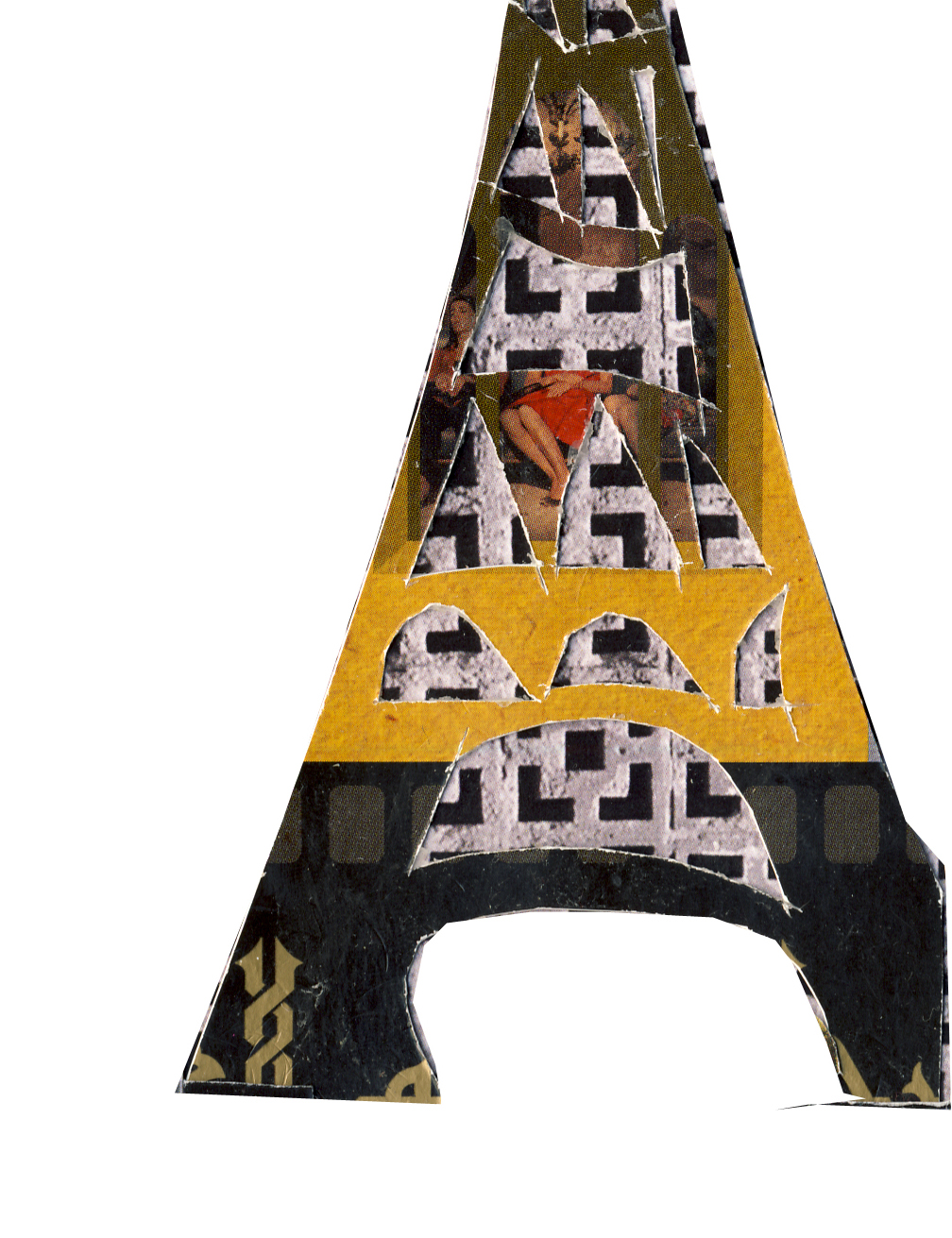
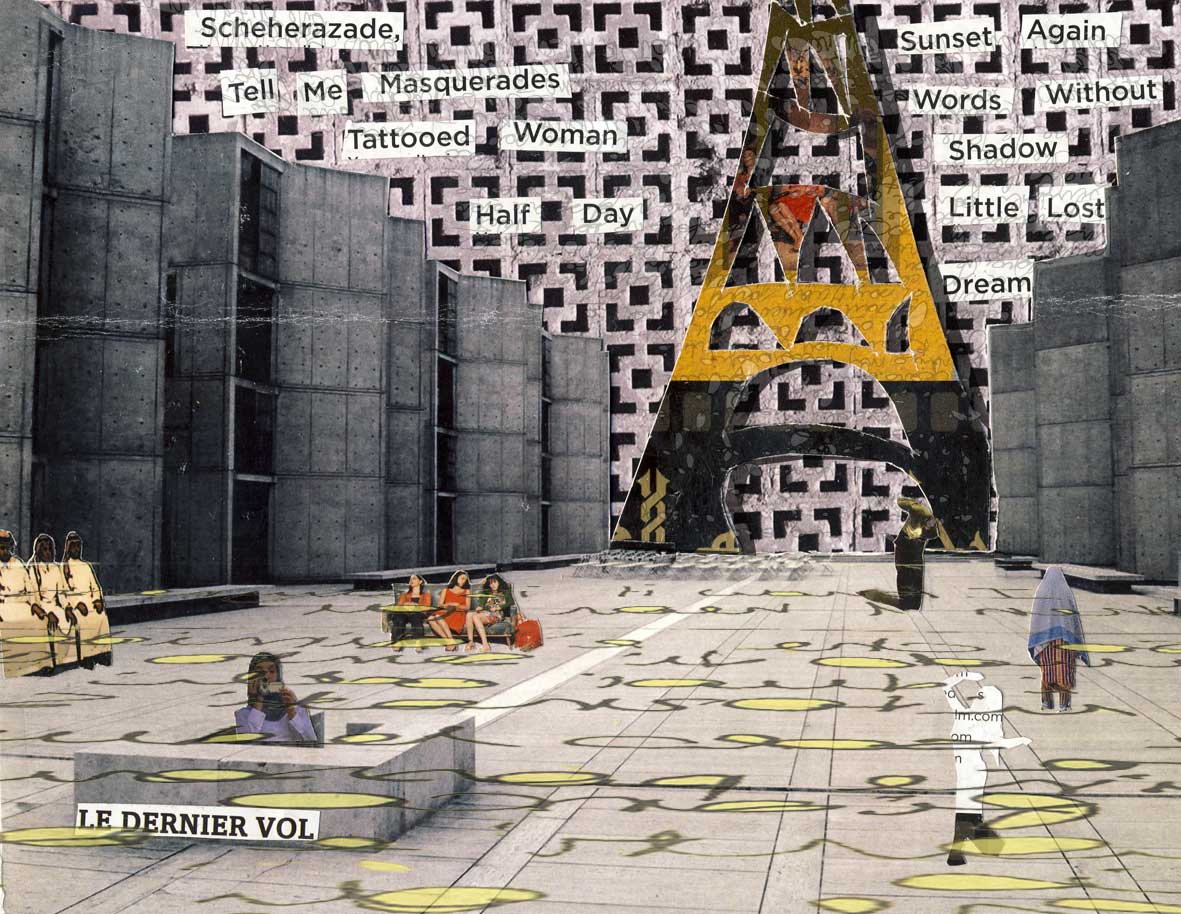
It all started with this catalog of this year’s Arab Film Festival in San Francisco, and an image of the Salk Institute in San Diego.

I knew I wanted to make a collage using the two for some time, and the inspiration came from a dream last night.

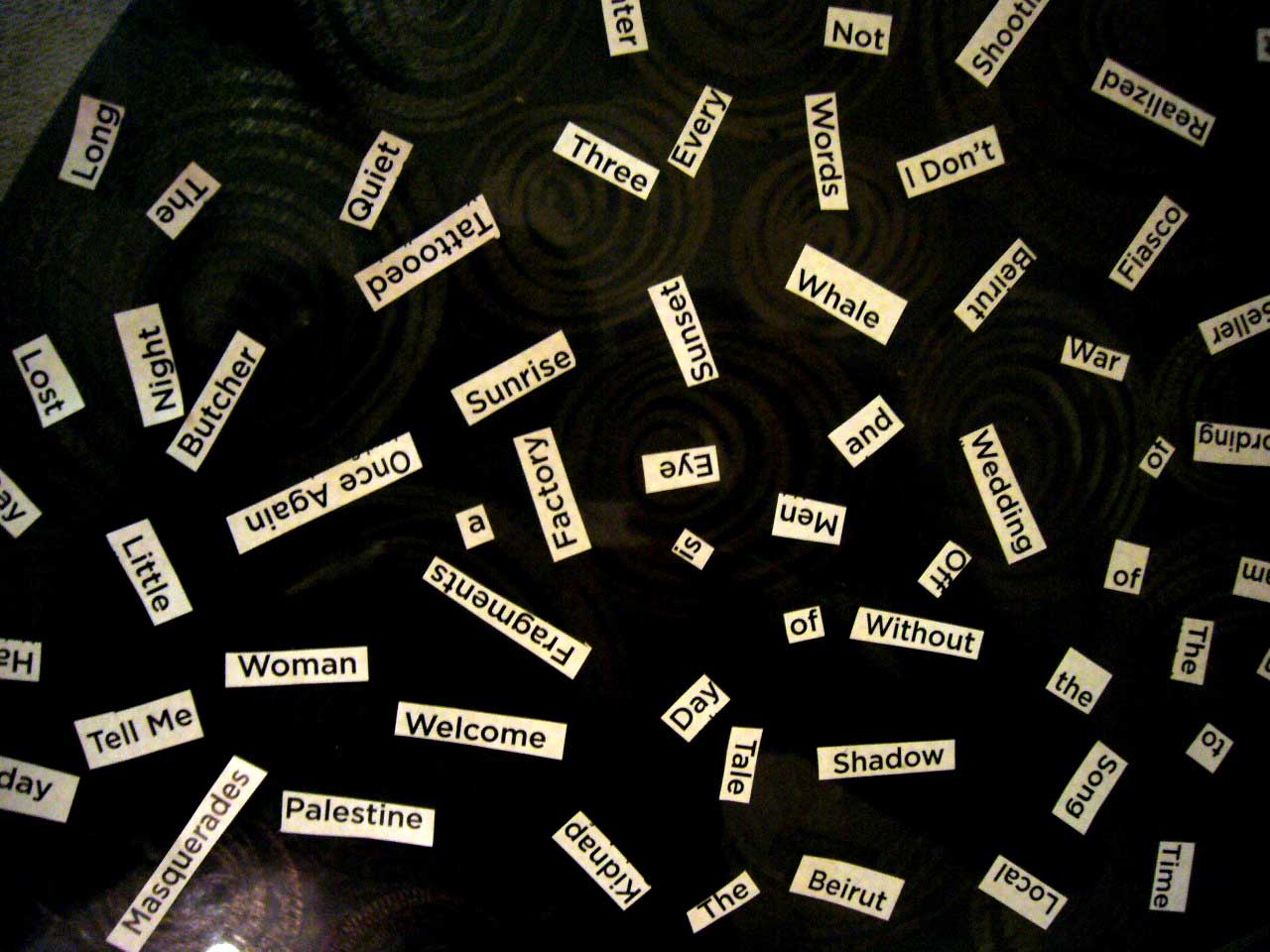
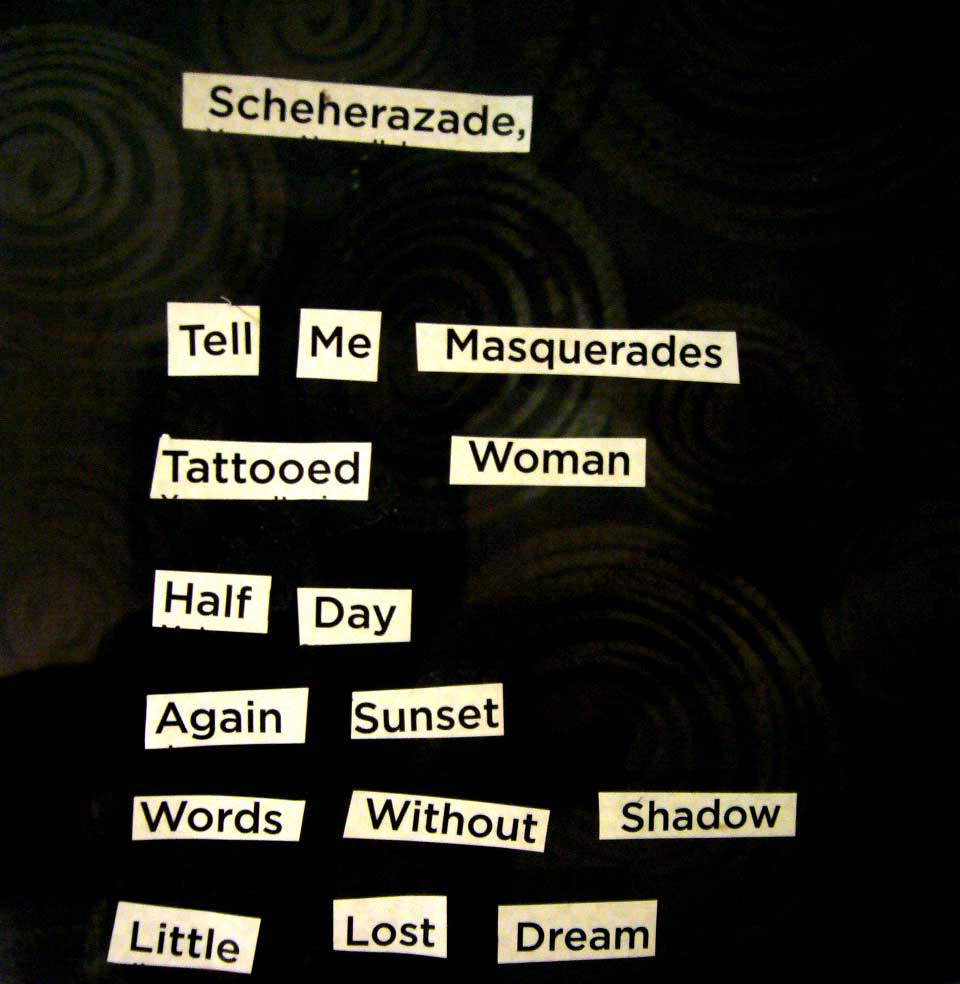
I did not know the word part would materialize. Using the titles of the movie in the Festival, I created a game for myself, a sort of stream-of-consciousness poem generator. Here is one of the early results.

Here is how it all came together, unwritten an unspeakable words, fragments of poems, figments of my imagination…

Read Full Post »

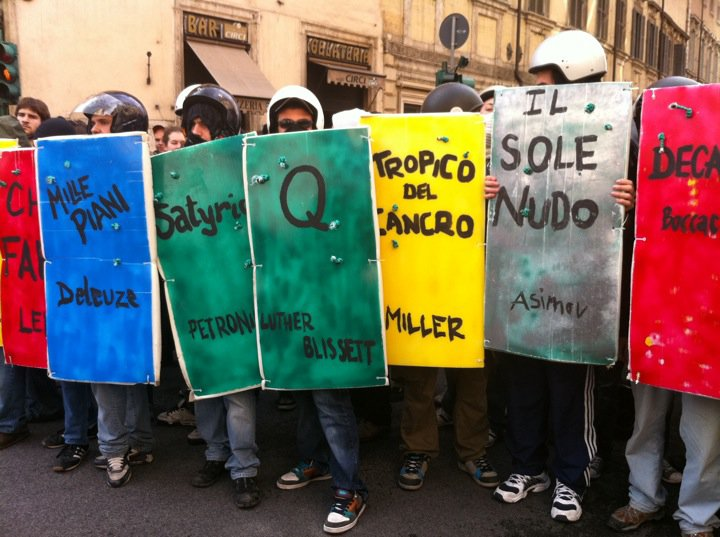
Students in Roma protest using 'literary shields' and have given rise to the so-called Book Block.

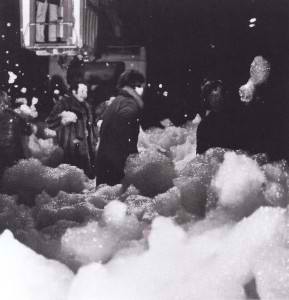
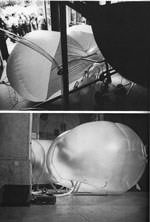
Students revolts have spread in Italy and England in the past few weeks. The images that I see coming from my country remind me of interactive urban installations organized by Coop Himmelblau in the 1960’s and 1970’s .

These are called ‘soft explosions’, such as the covering of a street in Vienna with foam,or the appearance in the streets of Paris of habitable ‘bubbles’.

Soft Space. Coop Himmelblau. Vienna, 1970.

Bubbles.Coop Himmelblau. Paris, 1968.

Coop Himmelblau’s approach,according to the pleasantly subversive Spatial Agency, is similar to that of Haus-Rucker-Co, based on the Austrian heritage of Freud’s psychoanalytic approach– this led them to explore the relationships between the architectural environment and our individual perceptions of it. Their early work leading up to the late 1970s consisted of performative installations and actions involving the spectators as participants. [read more at
Post-traumatic Urbanism ]

Italian students today put the art in revolt.

During the Book Block protest in Rome (so called by the collective writers Wu Ming— see Black Block for reference ), which took place November 24, 2010 in Rome, University students fashioned ‘literary shields’ to defend themselves against the riot police (members of the Italian police have been charged with murder in several cases involving student demonstrators, sports fans rioting outside of stadiums and G-8 protesters in recent years). The shields become what the students are fighing for: the right for education against drastic government cuts. What better symbol of the predicament Italian Universities are in, than to take to the streets books relevant to today’s Italian young adults. A plank of wood sandwiched between two sheets of cardboard become the book covers. Here are some of the texts, and the titles are sometimes surprising:


Tropic of Cancer
by Artur Miller
The Little Prince by Antoine de Saint-Exupéry
The Italian Constitution
Decameron by Boccaccio
Naked Sun by Aasimov
A thousand plateaus: Capitalism and Schizophrenia by Deleuze
Gomorrah by Saviano
Don Quixote by Cervantes
Moby Dick
by Melville
The Prince by Macchiavelli
and…my favorite book of all time: One Hundred Years of Solitude by Garcia Marquez

From Studenti.it

As the students recount, it was a spontaneous process started one November afternoon at the University. Each student proposed titles of books;they wanted to represent that ‘ culture is the only defence against a government who wants to demolish it’.

Gian Mario Anselmi, professor of Italian Literature at the University of Bologna says: : “These kids used culture as shield, our true and only identity. We defend ourselves with classical texts. The titles they chose are incredibly diverse, fruit of who knows what advice and suggestion, but it does not matter. It is the smbol that matters. And on these shields told of utopia, history, courage and love.”
The Book Block protest plans to make an appearance again on December 14 in Rome.

The writer Roberto Saviano, in his open letter to the newspaper ‘La Repubblica’ –written to condemn the violence emerged in some recent student revolts –praises ‘intellectual’ and creative demonstrations such as the ‘Book Bloc’. He writes:
‘C’era allegria nei ragazzi che avevano avuto l’idea dei Book Block, i libri come difesa, che vogliono dire crescita, presa di coscienza. Vogliono dire che le parole sono lì a difenderci, che tutto parte dai libri, dalla scuola, dall’istruzione… La testa serve per pensare, non per fare l’ariete. I book block mi sembrano una risposta meravigliosa a chi in tuta nera si dice anarchico senza sapere cos’è l’anarchismo neanche lontanamente.’
The kids who had the idea of th ‘Book Block’ did so in good spirit, books as defense, books that signify growth, self-awareness. Books are there to say words come to our defense, that everything starts with books, school, learning…Your head is there for you to think , not to use it as a battering ram. I think the Book Blocs are a wonderful answer to those who call themselves anarchic, wearing black overalls, without even knowing what anarchy even means.’

As I was preparing this post, I collected these quotes and thoughts on revolution and books:

Promise yourself to live your life as a revolution and not just a process of evolution.

Anthony J. D’Angelo

Do not read, as children do, to amuse yourself, or like the ambitious, for the purpose of instruction. No, read in order to live.
— Gustave Flaubert

“There is not a particle of life which does not bear poetry within it”
— Gustave Flaubert

“The poet or the revolutionary is there to articulate the necessity, but until the people themselves apprehend it, nothing can happen … Perhaps it can’t be done without the poet, but it certainly can’t be done without the people. The poet and the people get on generally very badly, and yet they need each other. The poet knows it sooner than the people do. The people usually know it after the poet is dead; but that’s all right. The point is to get your work done, and your work is to change the world.”
— James Baldwin

“The whole dream of democracy is to raise the proletariat to the level of stupidity attained by the bourgeoisie.”
— Gustave Flaubert

“Be regular and orderly in your life, so that you may be violent and original in your work.”
Gustave Flaubert

Read Full Post »

Reissued Dec.10, 2010


From the Museum of Contemporary Art San Diego site:
For the first time in history, the majority of the world’s population lives in urban communities. The urban setting and its corresponding lifestyle are major sources of inspiration in contemporary culture. This is an historic revolution in visual culture, in which the codes and icons of the everyday—found on the streets in graffiti, signage, waste, tattoos, advertising, and graphic design—have been appropriated and used as an integral part of contemporary art-making. The urban landscape inspires and serves as both a platform for innovation and a vehicle for expression for many artists. The city itself, its buildings, vehicles, people, and advertisements, are not only the surface where the art is applied. The city fuels the practice.

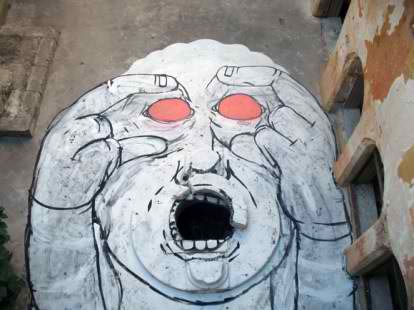
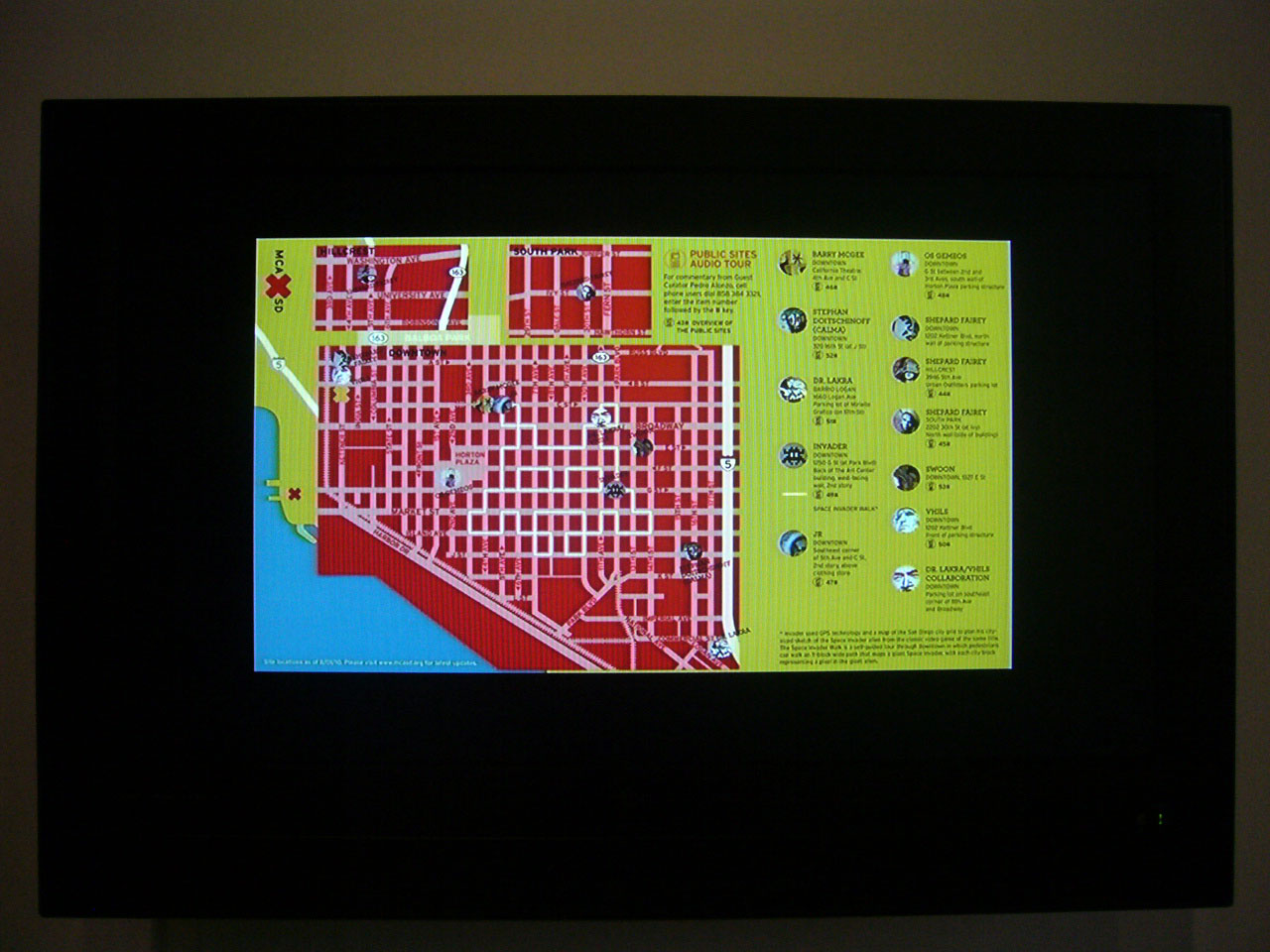
A multifaceted exhibition that explores the dialogue between artists and the urban landscape, Viva la Revolución: A Dialogue with the Urban Landscape features works both in the Museum’s galleries as well as at public sites throughout downtown San Diego.

The exhibition includes a diverse range of 20 artists from 10 countries that are linked together by how their work addresses urban issues — Akay (Sweden), Banksy (U.K.), Blu (Italy), Mark Bradford (U.S.), William Cordova (U.S.), Date Farmers (U.S.), Stephan Doitschinoff [CALMA] (Brazil), Dr. Lakra (Mexico), Dzine (Puerto Rico), David Ellis (U.S.), FAILE (Canada), Shepard Fairey (U.S.), Invader (France), JR (France), Barry McGee (U.S.), Ryan McGinness (U.S.), Moris (Mexico), Os Gemeos (Brazil), Swoon (U.S.), and Vhils (Portugal).

Viva la Revolución: A Dialogue with the Urban Landscape is curated by guest curator Pedro Alonzo and MCASD Associate Curator Lucía Sanromán.

Bologna-based Blu took 10 days to film the stop-motion graffiti film 'Combo'. If you enjoyed the opening animation of the Monthy Python movies, you will LOVE this.

If you only see TWO works from this show, lucky you, they are only a click away. You MUST check out these videos. Guaranteed to blow your mind.

1. Blu. Combo. 2009
2. Blu. Big Bang Boom. 2010


Thursday, December 2. Thursday always seems a good day to start a revolution. And we are already in December, so why not set to flame this problematic year?

I have taken an unjustified leave of absence for sketchbloom, but life and the mind have been in a state of ‘good’ intensity. Lots of good words, good books…hopefully good thinking… GREAT conversations.

So I missed Nablopomo, Nanowrimo, annhilated my phone (hence no internet)…but I am still here. New replacement phone is here, and I am plugged in.

There are lots of possible revolutions. There is one going on right now (subject of next post), maybe I was waiting for just this.

I am going for a revolution of the mind.

Two weekends ago  I went to see ‘Viva La Revolucion’, the incorrectly titled but intriguing show at MCASD. That is our museum of contemporary art in downtown San Diego. GO.

This show will last till January…then it will be gone.

SO what is it all about? Well, the relationship between urban (graffiti art) and the built environment. SO here you see, there is a nexus of what I am trying to do (or say) occasionally.

What do you think of the Space Invader project?

The Space Invader Walk. Video. 10 Minutes. Invader, best known for his use of ceramic tiles to recreate the Space Invader video game. The walk in downtown San Diego, once mapped, reveals the outline of a Space Invader. A sort of Urban Etch-a-Sketch. The artist uses GPS tracking technology.


Here is a trailer of the Space Invader Walk.

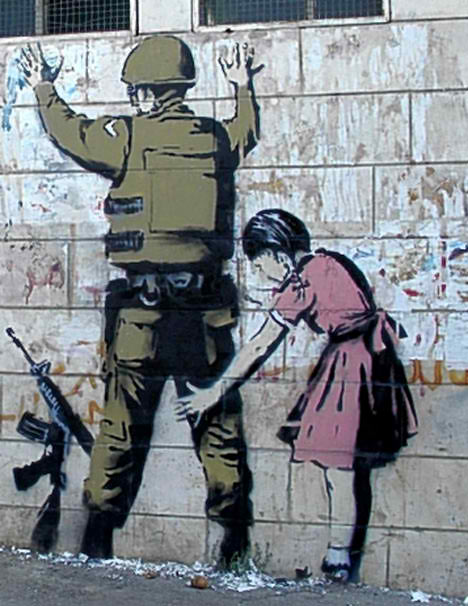
Banksy. West Bank barrier, Bethlehem. 2007

I would be remiss if I didn’t mention the uber-famous Banksy. Always eye opening to see his provocative work.

Just really wanted to poke my head in and say ‘ I’m back, have a nice ‘night’- because more than two weeks of silence (and silent art) pain me.

Then leave.


This slideshow requires JavaScript.

Read Full Post »

I noticed Jill Spurgin’s eyecatching work in a poster tucked in a stairway of my school.
Naturally I had to investigate.

She is having an Artist Reception here in San Diego.

Jill Spurgin
Embroidery and Textiles

Friday November 19, from 5-8 PM
Prudential California Realty Building
890 West Washington St.
(corner of Washington & Goldfinch)

From the artist’s website:

My work has always been inspired by nature…and now nature has become an important part of the design process, as I start to incorporate into my embroidered pieces elements like grass, dried artichoke leaves, pebbles, seeds, nutshells and the bark of the paper birch tree, which is so beautifully designed by nature I can hardly improve on it! Southern California holds a bounty of natural expression waiting to be discovered. I enjoy a great deal of variety in my work, combining embroidery with a variety of mediums from painting on silk and batik to collage and quilting.

Read Full Post »

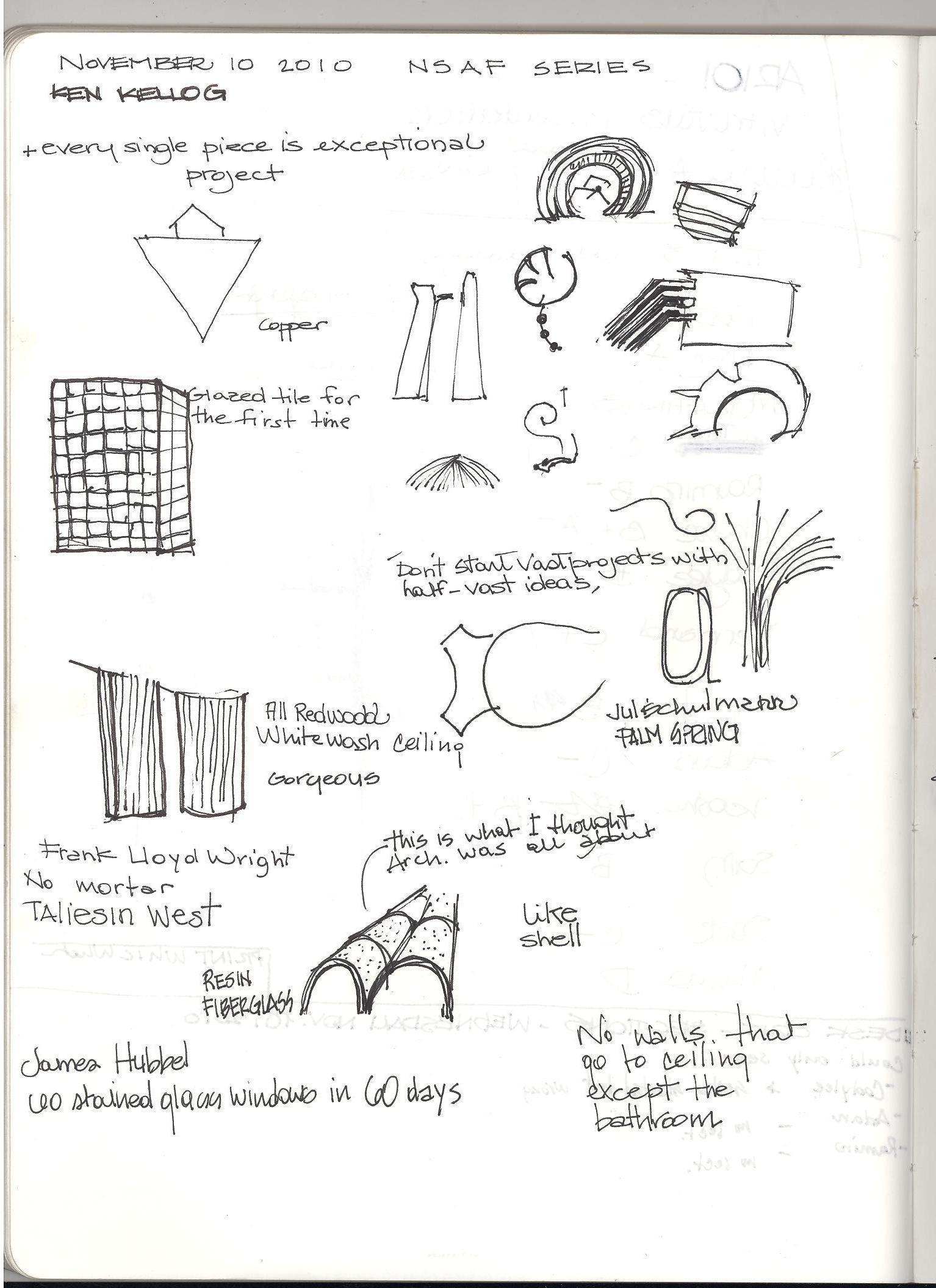
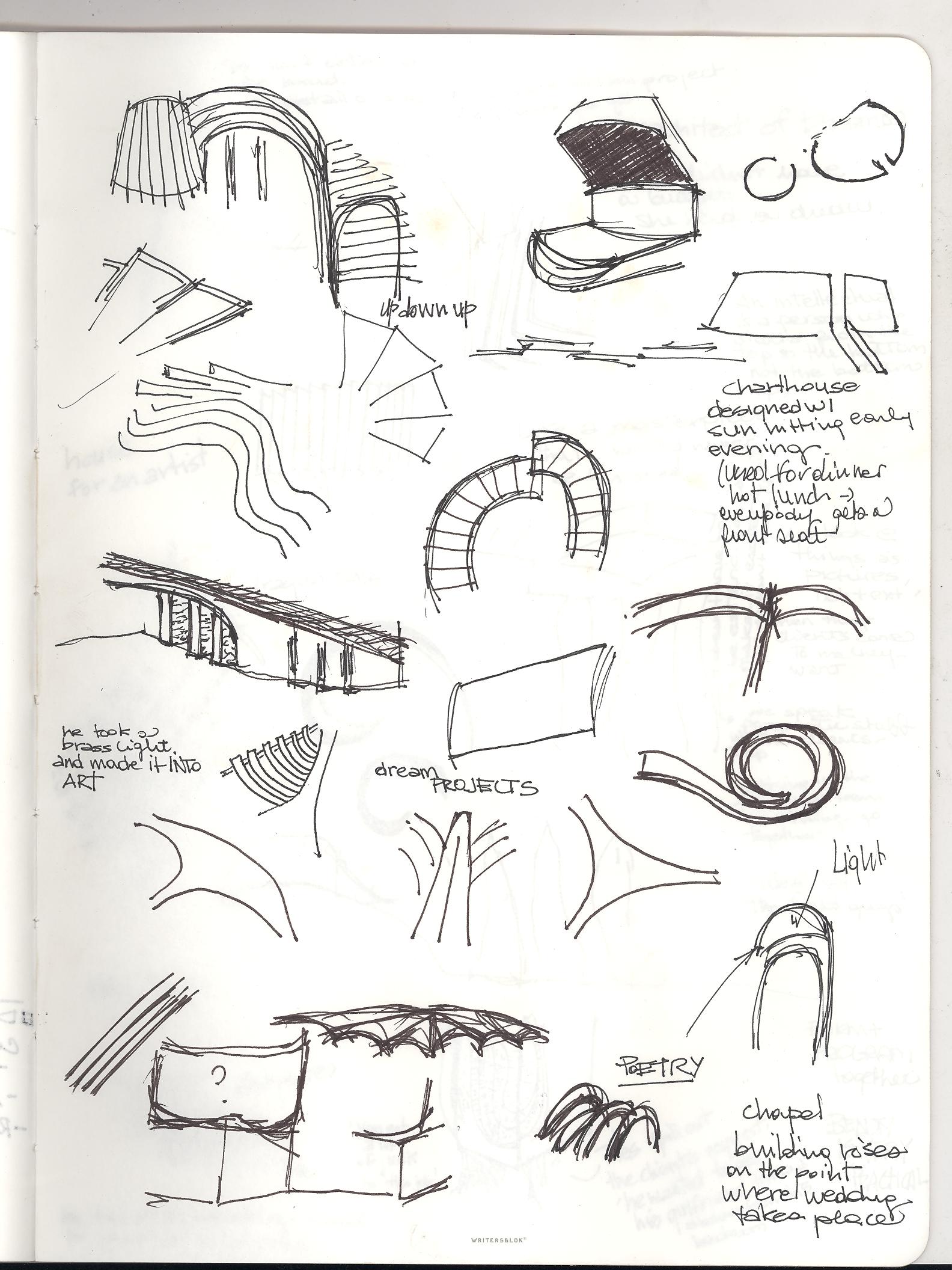
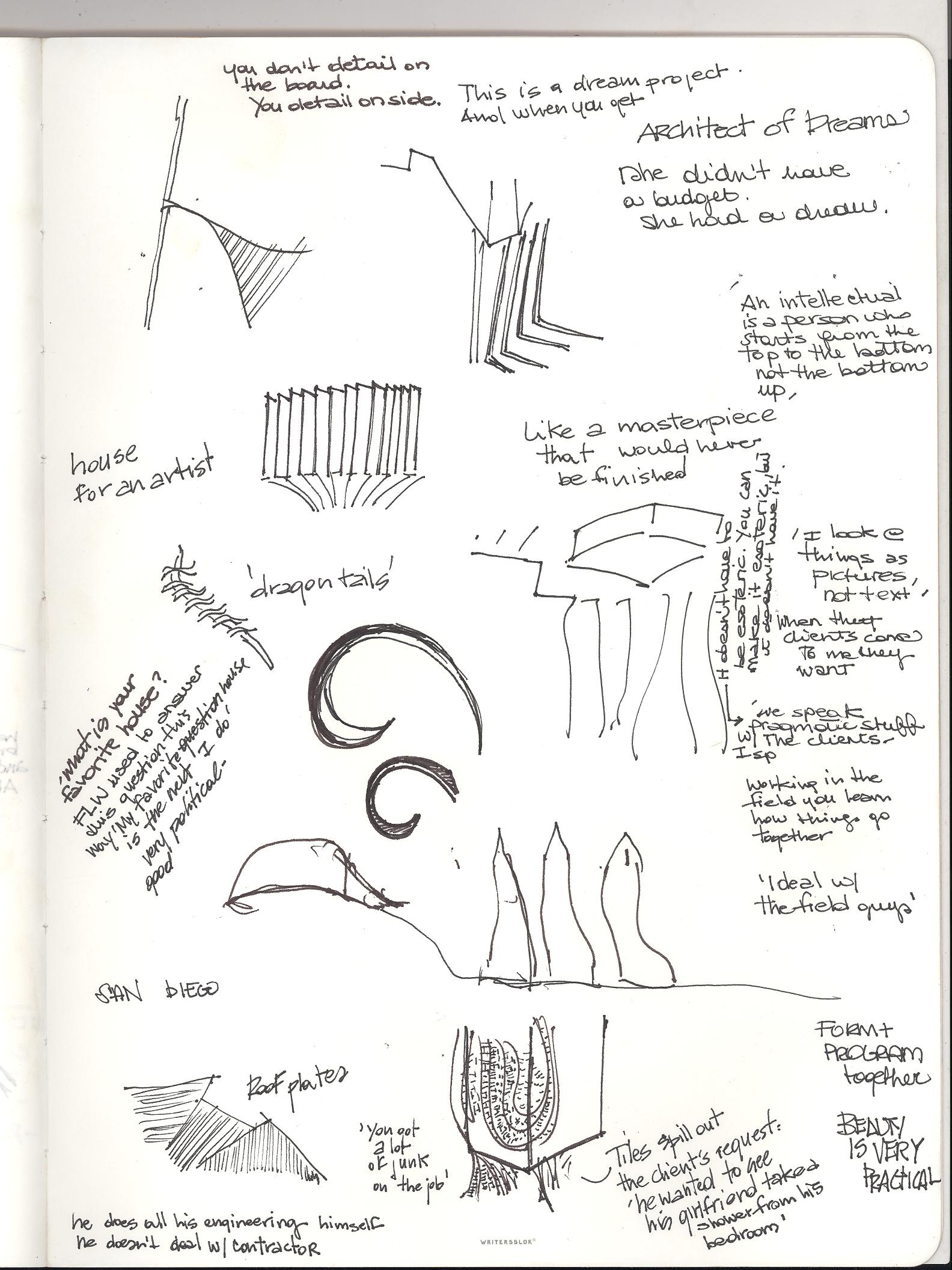
Tonight Ken Kellogg, Architect, spoke at my school.
The organic, sinuous forms of his small projects reminded me of Steve Badanes, and the Architecture of Jersey Devil. I was lucky enough to attend Mr. Badanes’ lectures twice and even have a jet-steamer autograph of his (and yes, the mandatory Fremont Troll t-shirt). This is the stuff I though I was going to help build and design once out of Architecture school. Architecture that was art and poetry, light and dream (a direct descendant of my first idol, Gaudi?). Ha.
Here are some stream-of-consciousness notes, jotting down forms from the slides….the lecture moved so fast and I could not coherently correlate each thumbnail sketch with the appropriate project. Here is his website, Kendrick Bangs Kellog, Global Architect Organic, where you can feast on the work.

Below the essence of what I heard and saw tonight: poetry from a seemingly pragmatic man, whose soul can be seen in his work, who believes ‘this stuff doesn’t have to be esoteric’ and speaks the language of the field to the clients. Yet he mentions being a dreamer, and ‘dragon tails’. Here are fins, ancient skeletons, shells, waves, mother-of-pearl surfaces. Here is light and energy.

Obviously Mr. Kellogg is a man who, in the words of Shelock Holmes ‘says rather less than he means’.

Read Full Post »

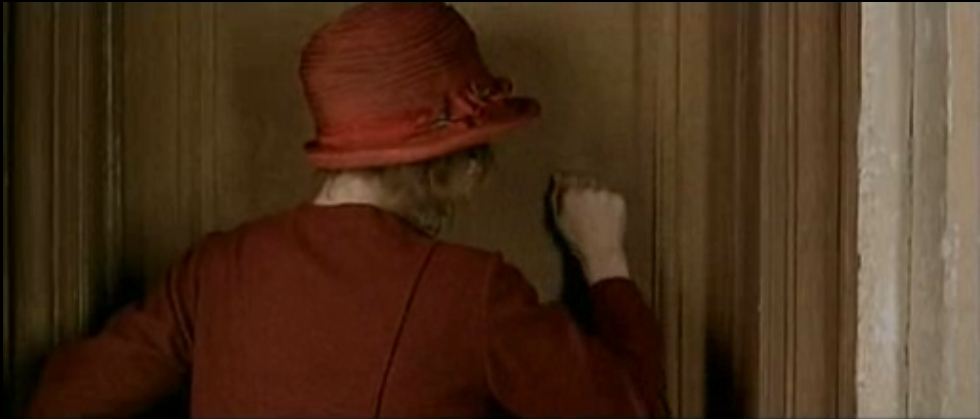
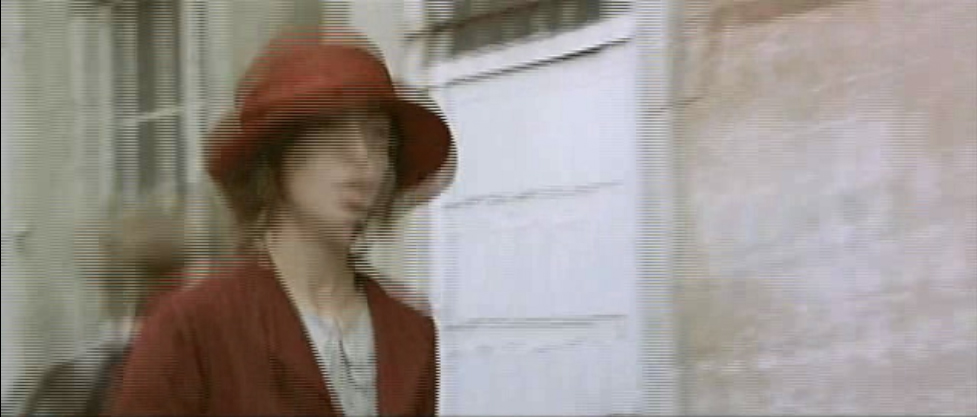
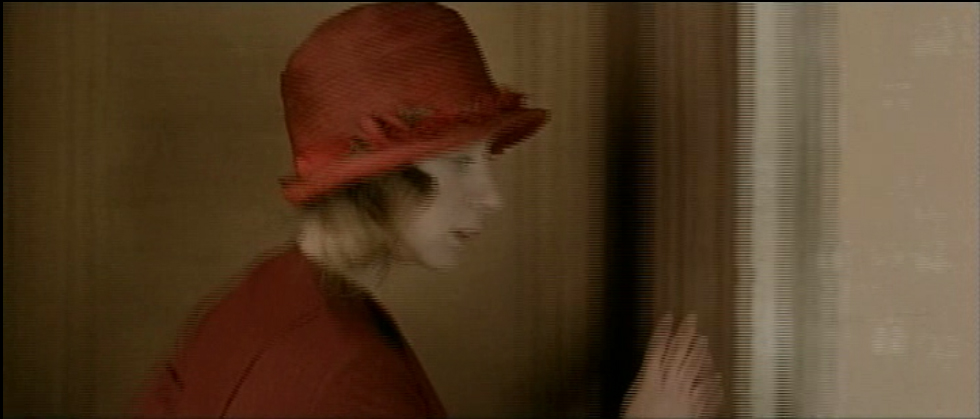
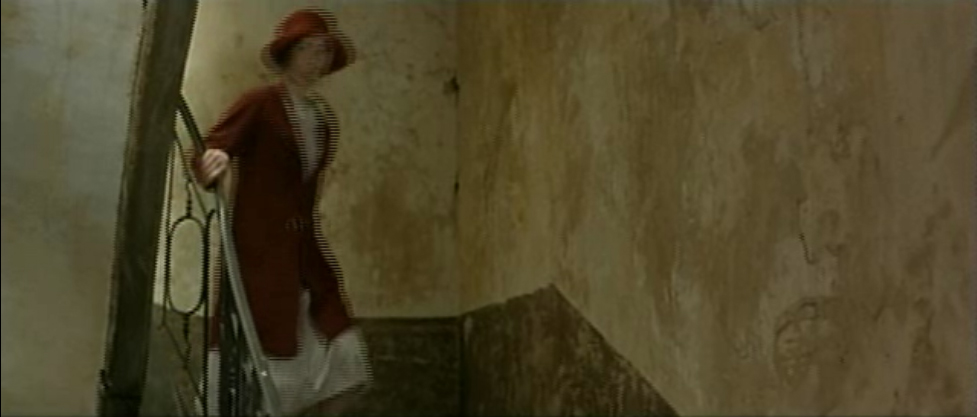
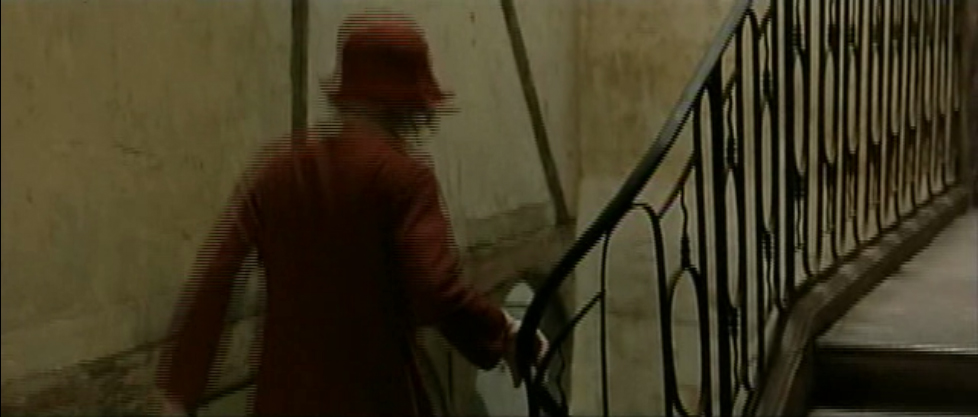
I have a peculiar habit which makes it difficult to watch movies at home in my company:  I  pause the movie whenever I miss a word (a single word being of so much importance to me that I fear, by losing it, I might miss the meaning of the film, or a fragment of poetry at least).  I also pause to capture stills and collect them, a way of appreciating the photography of the movie, the eye of the director, the attention to framing and contexts. Out of these still sometimes paintings emerge. Sometime technological aberrations.

These stills are from the film ‘Murderous Maids’ (Les Blessures Assassines) . When I pasted the captured image, horizontal lines were formed, adding to the frailty of the character. In the stills the red hat becomes a faded rose petal, an accent of vermillion in an Old Master’s painting…I am thinking Vermeer, Northern Impressionism, malancholy light.

The theme of stairs in literature and film is one worthy of investigation. Here stairs are not only architectural elements, but, I believe, symbolic of the undercurrents of this film. I can never really stay away from Architecture, can I ?

Here are some quotes from ‘Murderous Maids’; ponder a while:

Lea: If we were rich…
Christine: What would change? Rich ladies have everything but I’ve seen them weeping in secret.

Christine: [to her sister Lea on her first of work] And always speak to them in third person. Aunt Isabelle said a master is three people. the one he is, the one others think he is and the one he believes he is. Always address the last one.

Interesting Fact: There is no music whatsoever in the movie, perhaps that is why the camera shots speak so loud, and why there is a nervous energy that pervades the movie, an obsessive attention to details passed on to the viewer in the heavy silences, in the pregnant pauses.

Read Full Post »


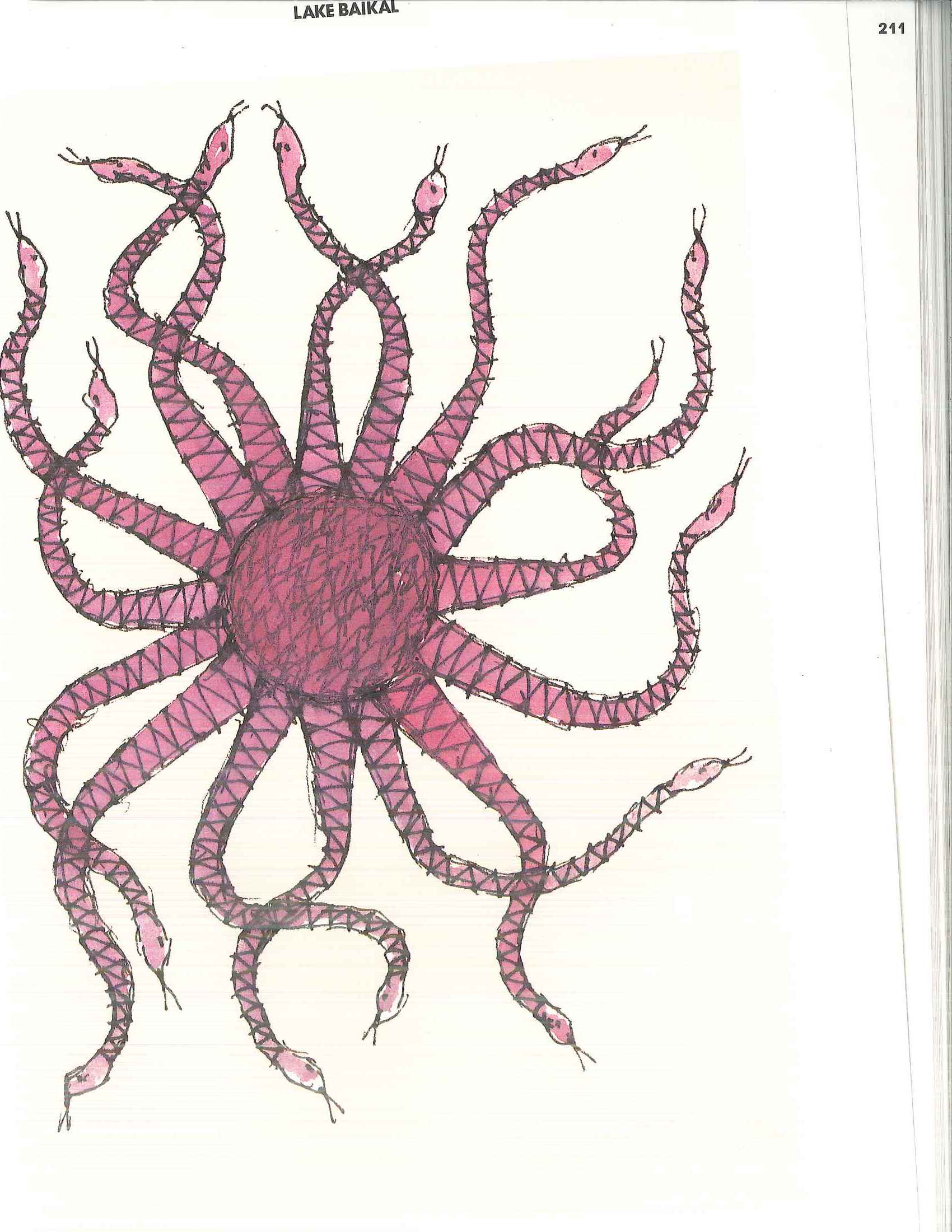
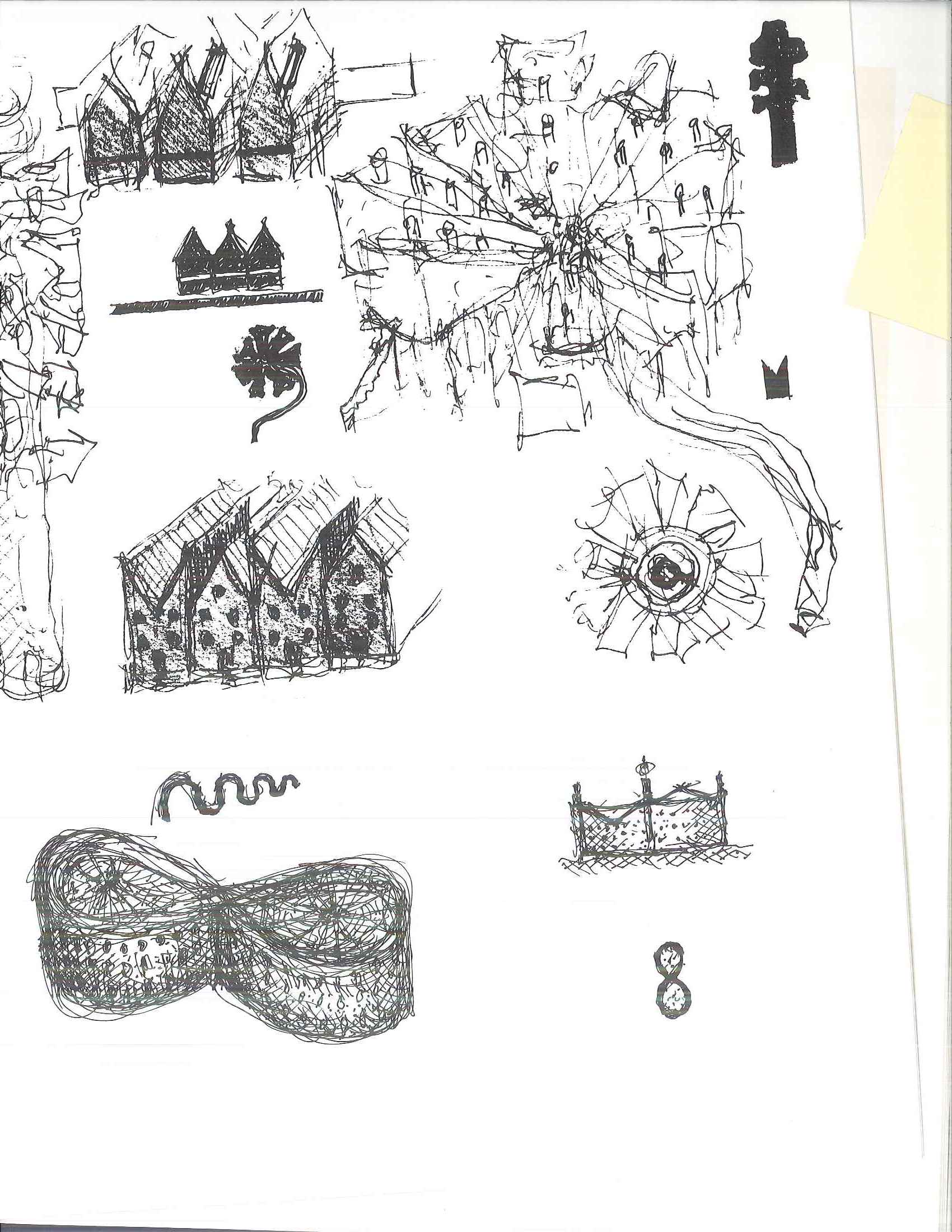
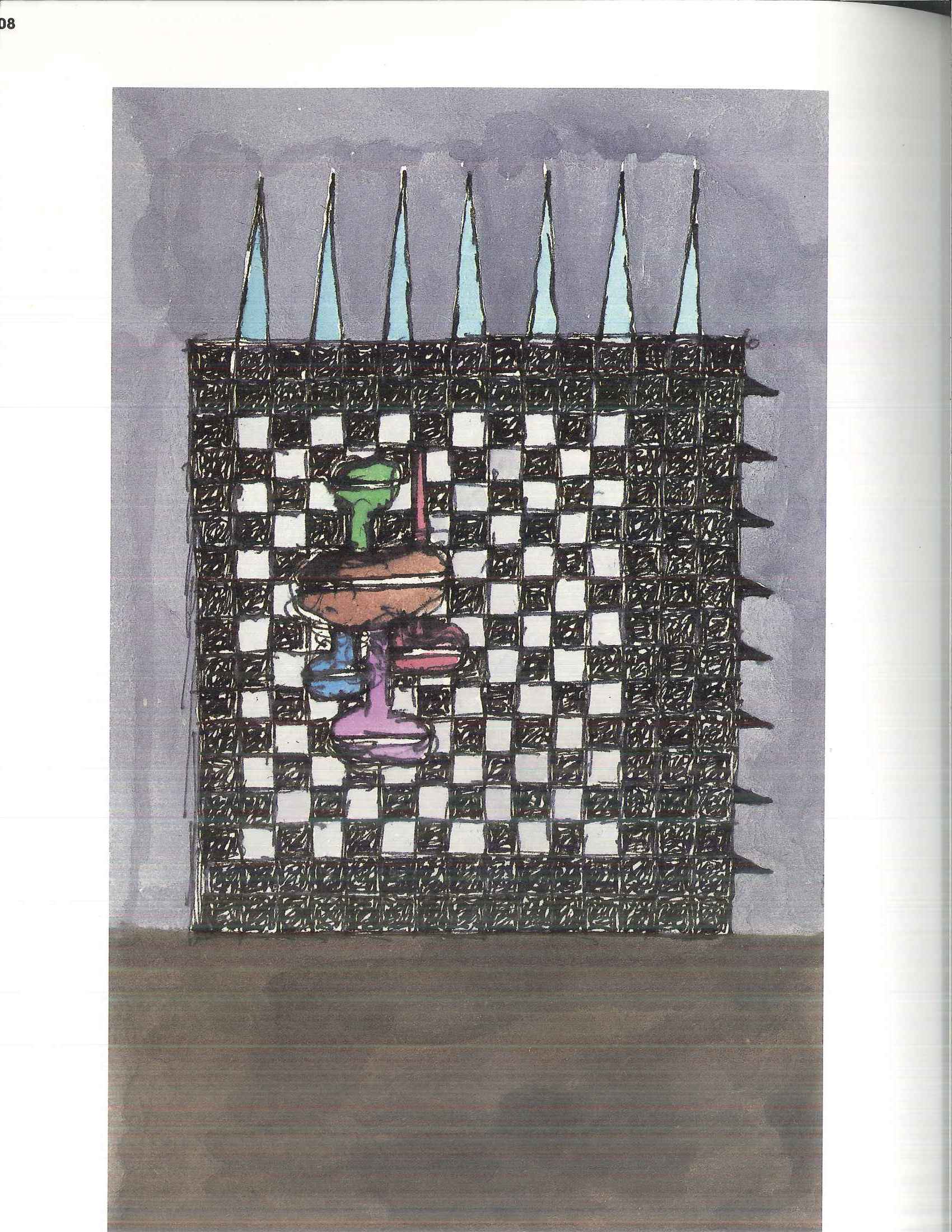
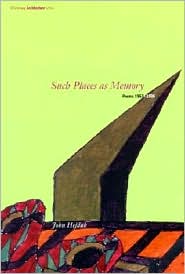
John Hejduk. Sketch from Lake Baikal, part of the Vladivostok oeuvre

John Hejduk. Sketch from Lake Baikal, part of the Vladivostok oeuvre

John Hejduk. Sketch from Lake Baikal, part of the Vladivostok oeuvre

John Hejduk has been called one of the most influential architects and educators of our time..
He was also a poet, an artist and the Dean of the Irwin S. Chanin School of Architecture of the uber-prestigious Cooper Union in New York.

I am reviewing couple of his books, Vladivostok and The Mask of Medusa and thought I would share some of the ear-cornered pages.  Like Marco Polo, John Hedjuk’s travels start from Venice. Some of you may know my mother is from the Venice region, Treviso to be precise, and it was endearing to find the Serenissima in this book, a fascinating fusion of East and West, and even Milano, my birthplace. From the foreword:


The journey I have been on for the past ten years followed an eastern route starting at Venice, then moving north to Berlin through Prague, then northeast to Riga, from Riga Eastward to Lake Baikal and then on to Vladivostok. This has been, and is, a long journey.

Bodies of water mark the trek. Venice of the Adriatic, the lagoons, the Venetian canals, the river Vitava of Prague with its echoes of Rilke and Kafka, the waterways of Berlin, the Gulf of Riga, Lake Baikal, and the Sea of japan in Valdivostok. The elements giving off their particular atmospheres, and sounds, impregnate my soul with the spirit of place, place actual…place imagined.

The works from this journey are named and form trilogies.

In Venice;

The Cemetery of Ashes of Thought                                                                                                                                  

The Silent Wtnesses and

The 13 Watchtowers of Cannaregio

In Berlin;

Berlin Masque

Victims, and Berlin Night

In Russia;

Riga,

Lake Baikal, and

Vladivostok

[  ]

I state the above to indicate the nature of a practice.

[ ]

I have established a repertoire of objects/subjects, and this troupe accompanies me from city to city, from place to place, to cities I have been to and to cities I have not visited.  The cast presents itself to a city and its inhabitants. Some of the objects are buit and remain in the city; some are built for a time, then are dismantled and disappear;some are built, dismantled and move on to another city where they are reconstructed.

I believe that this method/practice is a new way of approaching the architecture of a city and of giving proper respect to a city’s inhabitants.

It confronts a pathology head-on

John Hejduk, 1989 

Hejduk’s work is provocative, political, polyedric. Read Errand, Detour, and the Wilderness Urbanism of John Hejduk, part of  Paroles d’Architects, an excellent collection of writings on architecture.

Also Sorkin on the Mask of Medusa, in Exquisite Corpse: Writing on Buildings.

Reading this book, at the nexus between literature and architecture reminds me of Italo Calvino’s Invisible Cities. One of the future anterior projects: to illustrate Calvino’s cities. But it’s been done.

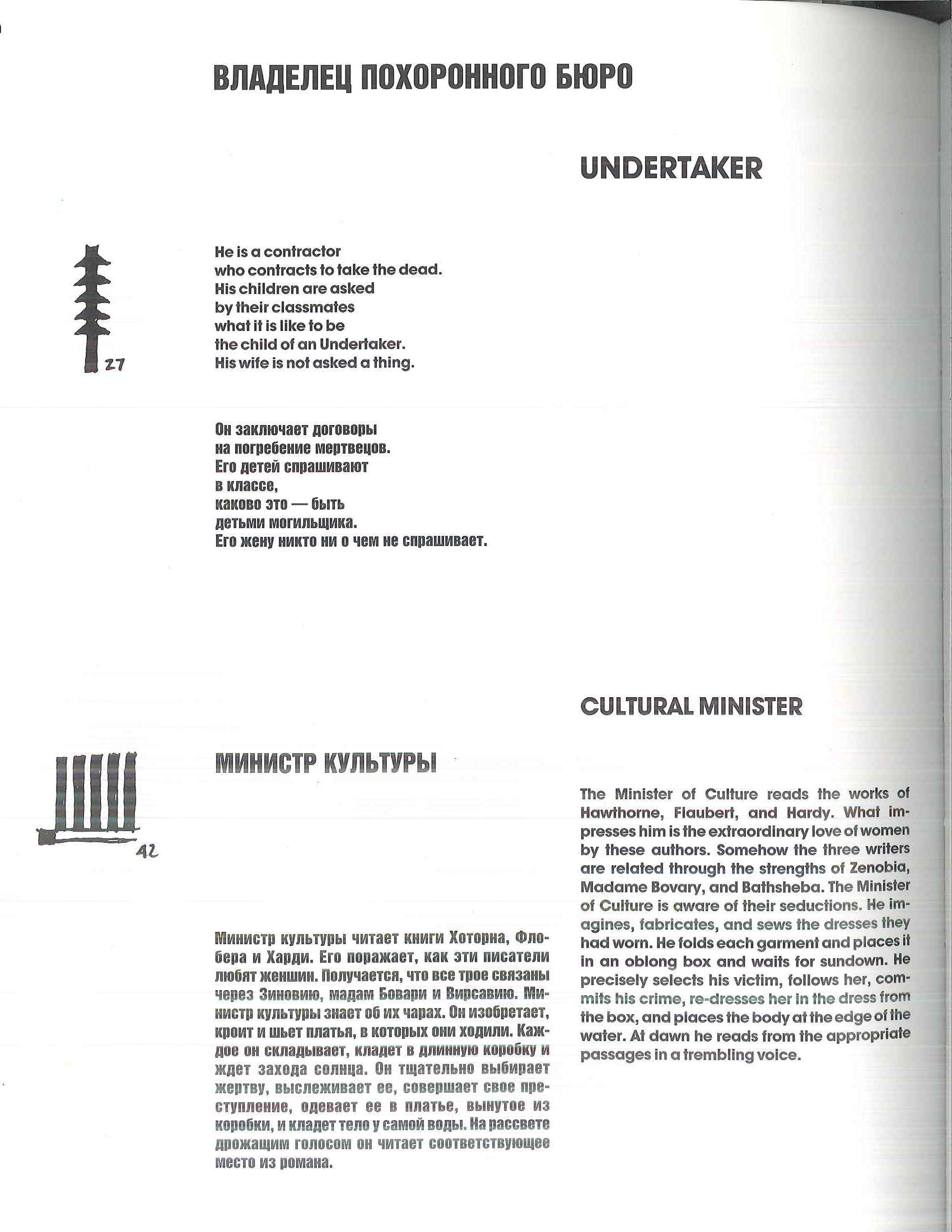
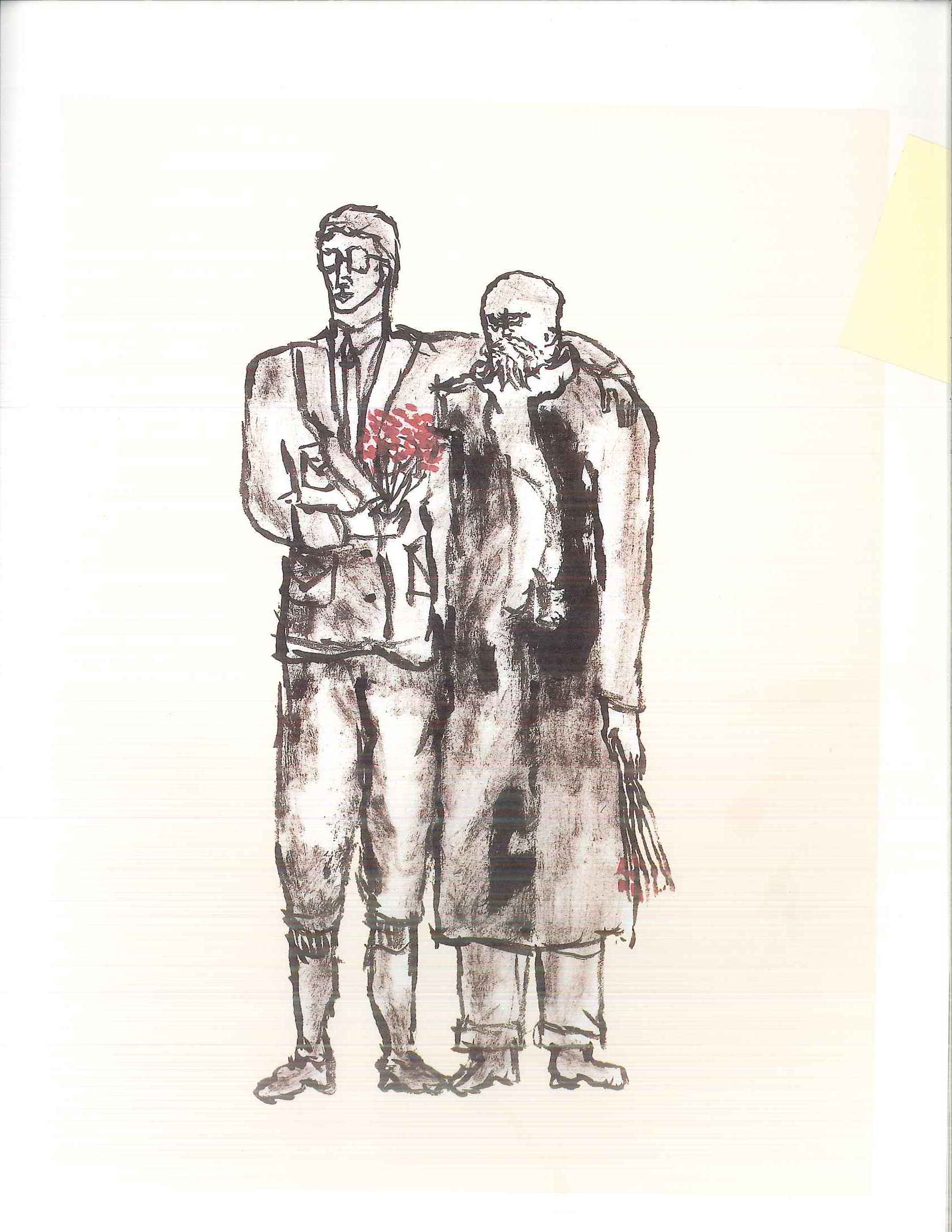
Cultural Minister

The Minister of Culture reads the works of Hawthorne, Flaubert and Hardy.What impresses him is the extraordinary love of women by these authors. Somehow the three writers are related through the strenght of Zanobia,Madame Bovary, and Batsheba. The Minister of Culture is aware of their seductions. He imagines, fabricates, and sews the dresses they had worn. He folds each garment and places it in an oblong box and waits for sundown. He precisely selects his victim, follows her, commits his crime, redresses herin the dress from the box, and places the body at the edge of the water. At Dawn he reads from the appropriate passages in a trembling voice.


Read Full Post »

Norman Foster interviewed by Charlie Rose.

Charlie Rose interviews Norman Foster. Click to watch.

Architecture as a spiritual experience, architecture as a [moving] container for art in Foster’s Sperone Westwater Art Gallery in the Bowery, NYC, architecture concerned with light and genius loci. It is beautiful to watch Foster’s hands accompany his  slow, eloquent, deliberate answers–there is poetry there.  The documentary ‘ How Much Does Your Building Weigh, Mr. Foster?” is introduced, named after a question posed by Buckminster Fuller, whom Foster collaborated with from 1968 until Fuller’s death, in 1983.

I have to thank my friend Lamees for sharing this. What a gift.

Read Full Post »

image

image

image

image

image

It is November, National Novel Writing Month (NaNoWriMo) and  National Blog Posting Month (NaBloPoMo). The goal of the first is to write a novel of 50,000 words in the next 30 days, by sticking to a schedule of 1667 words per day. If you have been thinking about writing for a while, and completing that literary project of yours, this is the time to do it. NaBloPoMo is set up as its usual one post per day, but this time there are  prizes and more publicity.
I wanted to share some inspiring badges for this month. Let the writing begin.

Read Full Post »

Made on Illustrator and Mac

My second board for the faculty display wall. I now have a list of new art to add to my portfolio tabs, as this was a great opportunity to curate my artwork.

It feels great to be done (for now). Happy Halloween!

Read Full Post »

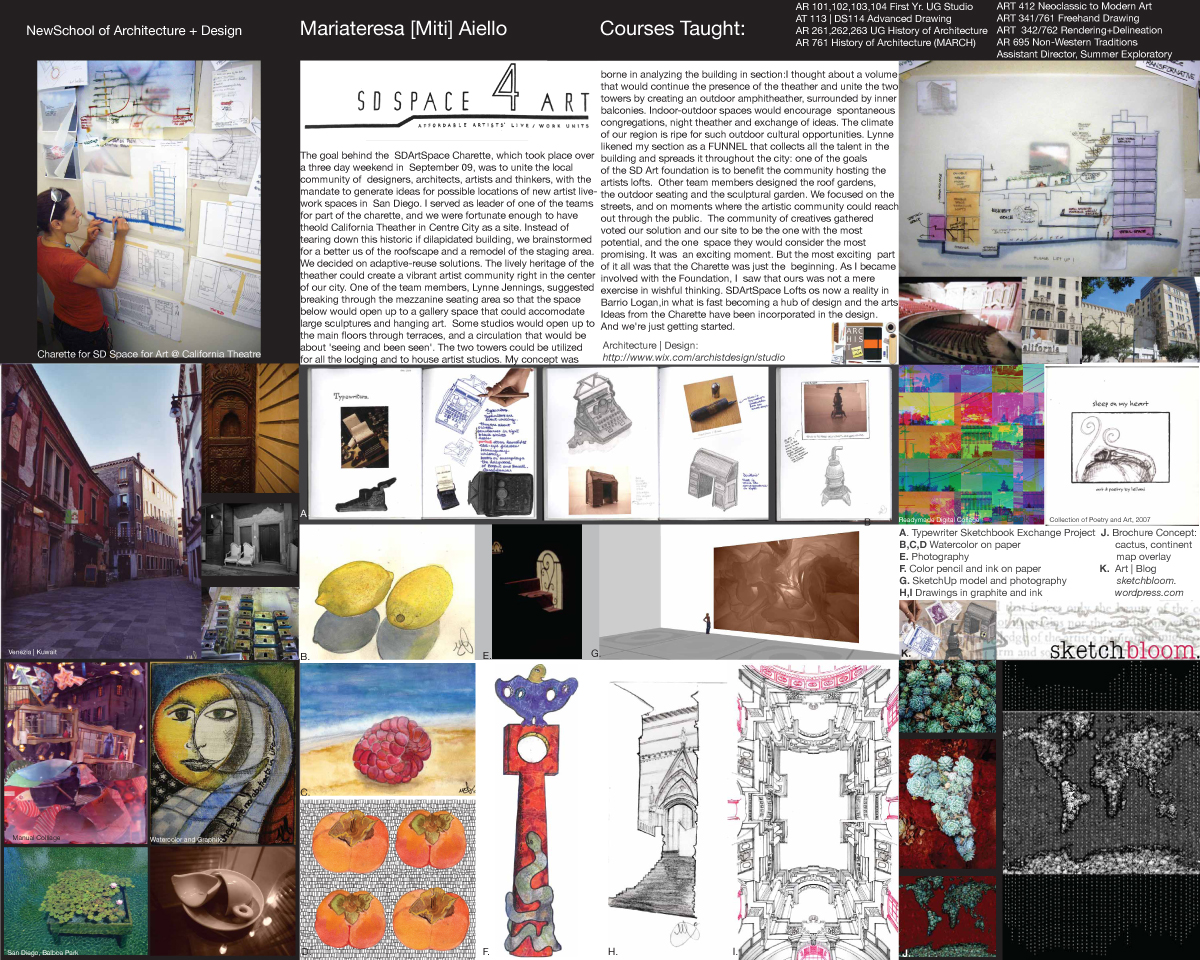
Practice+Pedagogy. October 28, 2010. Made on a Mac. Click to enlarge.

The board is done and up on the faculty display wall.

In the process, I refined my skills with Illustrator, pondered philosophy, practice, pedagogy,and  crystallized what I am, do, stand for — in a tangible format.

A welcome tall order.

Read Full Post »

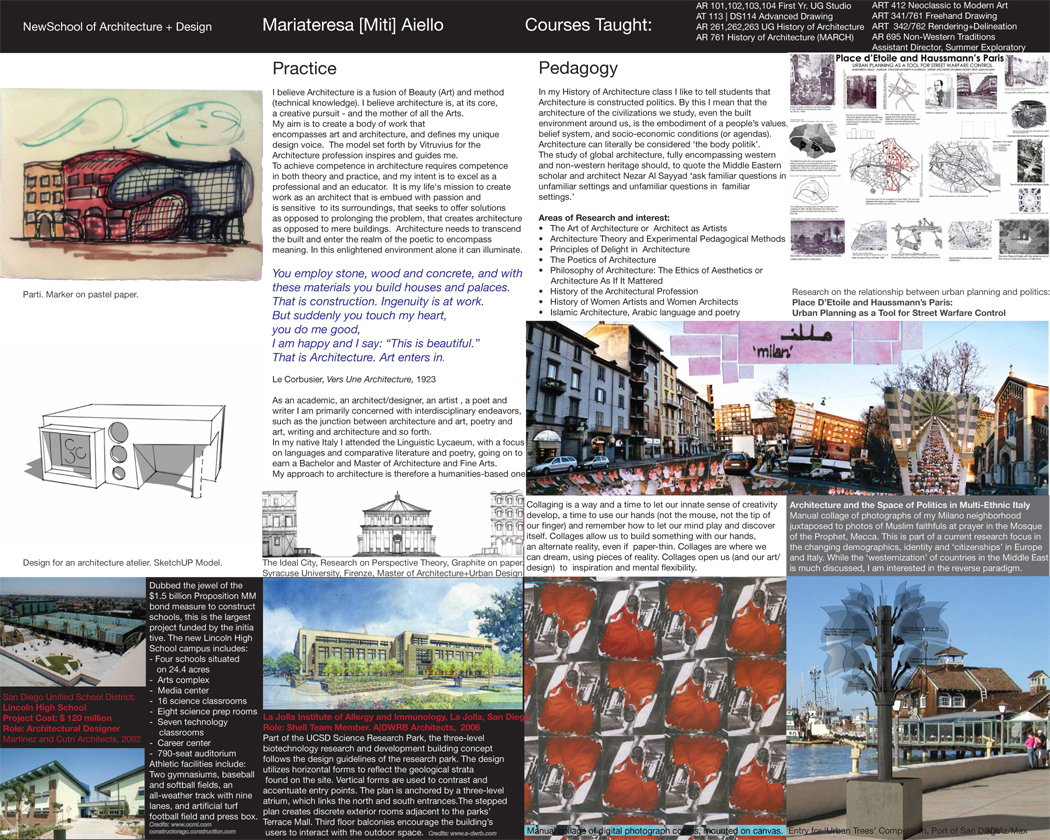
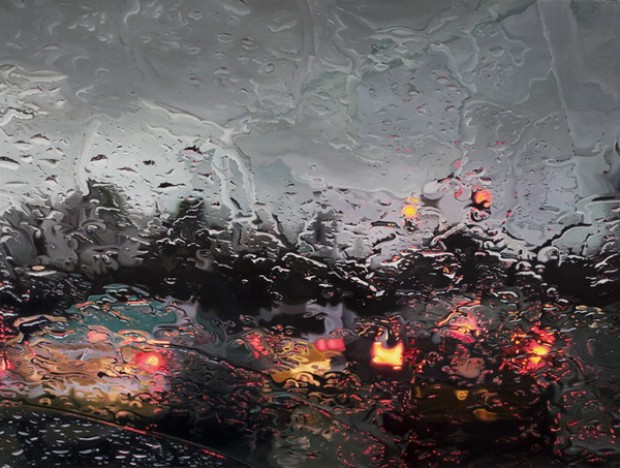
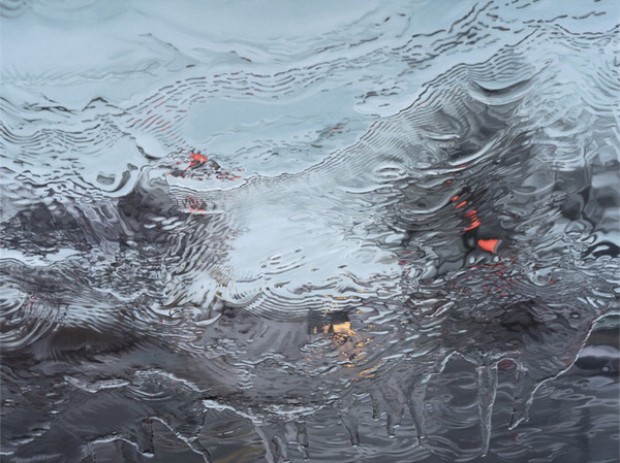
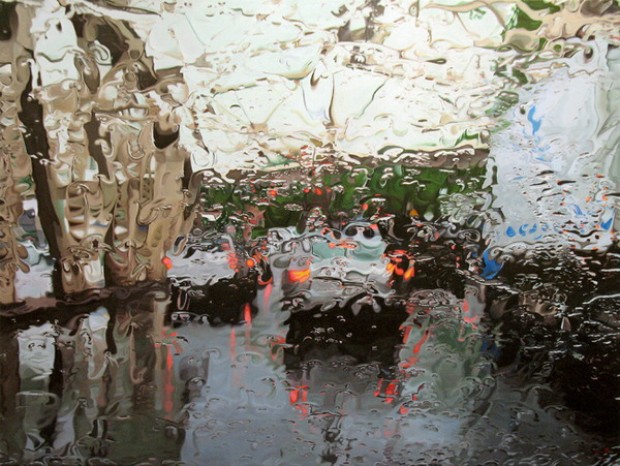
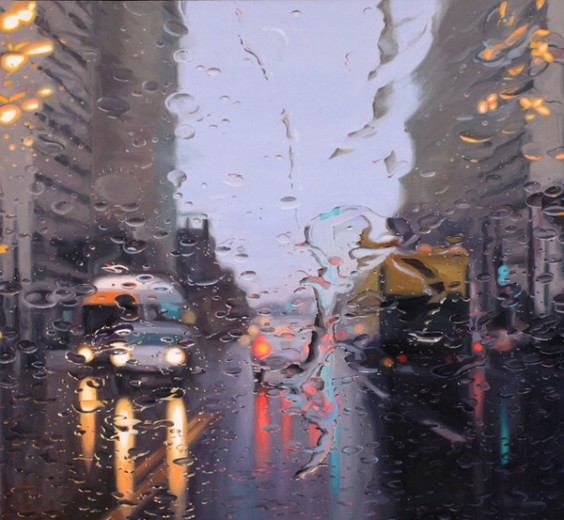
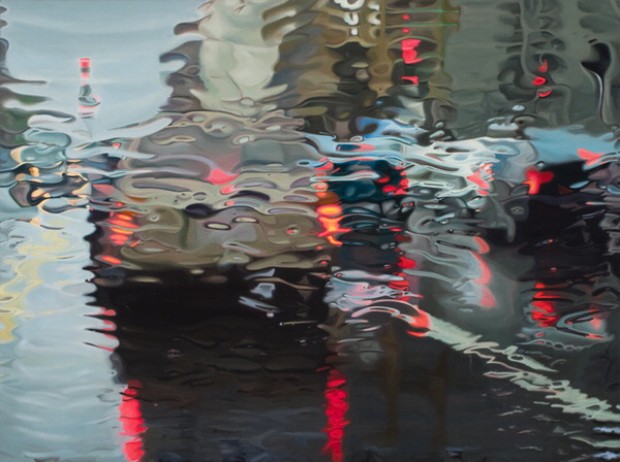
Today I wanted to share these incredible paintings by Gregory Thielker, a hyperrealist painter.

The world seen through a rain-soaked windshield becomes an impressionist kaleidoscope of colors.

To paint water…..

Read Full Post »

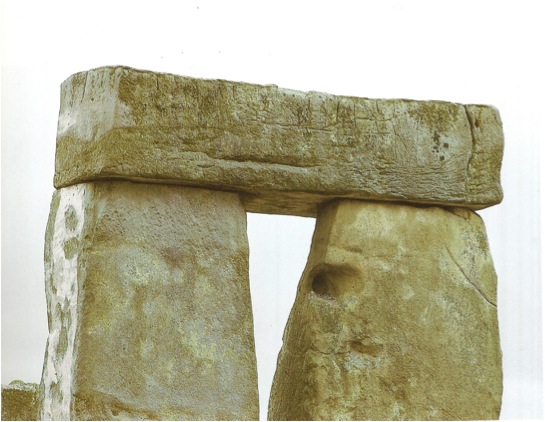
Stonehenge. Detail of trabeation (Post and Lintel). Considered one of the foremost examples of Megalithic Architecture (Mega+ Lithos, or Colossal Stone)Salisbury Plain, England. C.2750-1500 B.C.E

From my Friday’s History Class.

The Beginnings of Architecture covers Stonehenge, the caves at Lascaux and Altamira, and what we consider the beginning of the urban revolution in our hemisphere, the proto-cities of Catal Huyuk and Jericho. I will share weekly  my History powerpoints, well, okay, the ones I consider complete…next I want to sharpen up the lecture on Pre-Columbian|Precontact Architecture of the Americas and will then share it here.

See/Download the Presentation:

Week2_AR761_Beginnings_Stonehenge_Final

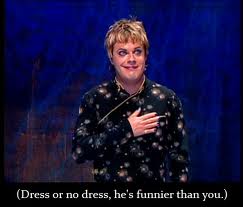
…and don’t forget to hear Eddie Izzard’s take on Stonehenge. My students always love to hear from this ‘expert’ 😉

Eddie Izzard on Stonehenge

Click to Stonehenge (Before Stonehenge there was Woodhenge and Strawhenge...)

These are the texts I use in my History of Architecture class:


Architecture: From Prehistory to Postmodernity
. 2nd ed. Marvin Trachtenberg and Isabelle Hyman. New York: Harry N. Abrams, Inc. Publishers, 2002

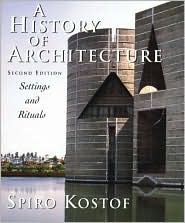
A History of Architecture: Settings and Rituals. Spiro Kostof. Second Edition. Revisions by Greg Castillo. New York and Oxford: Oxford University Press, 1995.

A World History of Architecture. Michael Fazio, Marian Moffett, Lawence Wodehouse. McGraw|Hill.

A Global History of Architecture. Francis D.K. Ching, Mark M. Jarzombek, and Vikramaditya Prakash. Wiley, 2006.

Read Full Post »

Apologies for the absence of the recent days, I have so much to share, as always, yet the days have been filled with preparations for our Architecture school’s NAAB Accreditation.
It is an all-school process and effort and we have all been preparing for months; there is an energy and purpose as we all pull together the work which represents us, as a school, an intellectual entity, a collective of creatives. What is our pedagogical approach? What do we stand for? What idea of Architecture are we partial to and propagate?
As we pull back and see the sparkling work produced by faculty and students there is a moment of realization: we are a force that, properly channeled, could bring forth astounding change. In a way, this is my school’s and all of the faculty’s graduation. SO throw those caps and let’s invent our future, and pave roads that have not even been mapped yet.

So, blog and blogreaders, if the collective you’s were a single friend, I would say “I have not come to visit you yet I have thought of you“.  I have written few lines in preparation for a board I am compiling on my practice and pedagogy. It is a daunting task, pulling together a cohesive snapshot of who I am, what I stand for, and what my aspirations are.

But as long as I keep thinking and growing I feel the work is being done, I think, here I might have something to share, even though it’s not a sketch, or a finished work.
In the recent past there was a  lecture I put together for my weekly History of Architecture class, on the beginnings of Architecture, Stonehenge, the caves at Lascaux and Altamira, and the urban revolution in Jericho and Catal Huyuk (I wonder if putting online my History of Architecture powerpoints would work).

I was happy because I felt the lecture was complete, as in, I used all the resources/images of the four texts I employ for the class and outside research, and was able to have time to annotate everything . Bullet points, paragraphs, dates, location, I even designed each slide like a board…the works! Often it’s hard enough putting all the images together while preparing the lecture part and I have been historically in awe of the beautifully designed presentations Joe Nicholson, my mentor, brings to class.  My History students, all Grad ones since I now teach the Master level course, also turned in a spectacular body of work for their research in Pre-Columbian/Pre-Contact Architecture of the Americas. I am so proud.

I met a fellow faculty at my favorite haunt, Cafe’ Bassam, and he told me: To teach is like singing, the first few times it might not be that great, but the more you practice the song, the more you perfect it. The trick I think, is to constantly update the song and demand of yourself a better performance each time.

When that works, well, all the stars are aligned.

I don’t have new art right now, and don’t want to touch the backlog tonight, so I offer you my mind, and give you a peek of the (stolen/borrowed) books in my satchel, the toys I am playing with today.

Architecture needs to transcend the built and enter the realm of the poetic. In this enlightened environment alone it can illuminate.
I was walking past glistening walls today, surfaces that would leap and swim with the dancing light. There, I thought, there is the beauty of Architecture, the brilliant mind of the designer, who works with matter and creates wonder. Walls, surfaces can then speak to me: they spring to life in a  beautiful song, and I fall in love.

Le Corbusier said:

You employ stone, wood and concrete, and with these materials you build houses and palaces. That is construction. Ingenuity is at work.
But suddenly you touch my heart, you do me good, I am happy and I say: “This is beautiful.” That is Architecture. Art enters in.

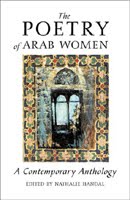
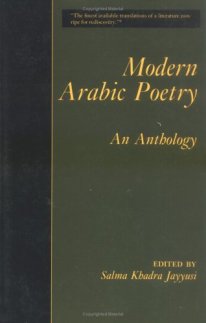
The books I carried today (there may be a Pecha Kucha with my photography of Kuwait and poetry of the Arab woman soon).

The Poetry of Arab Women
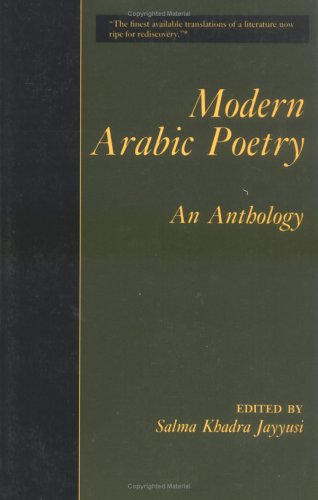
Modern Arabic Poetry
Muslim Europe or Euro- Islam

(I actually met  Prof. Nezar Alsayyad, in the Center for Middle Eastern Studies he designed in Berkeley :))

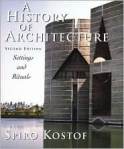
One of my favorite books, by my ‘History of Architecture mentor’, Spiro Kostof.

History of Architecture: Settings and Rituals

(my copy is actually autographed by another Berkeley gem, Prof. Greg Castillo)
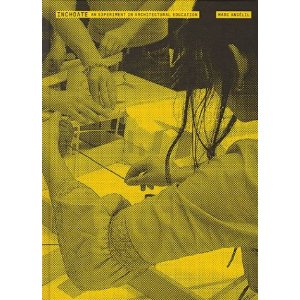
Inchoate: Experiments in Architectural Education
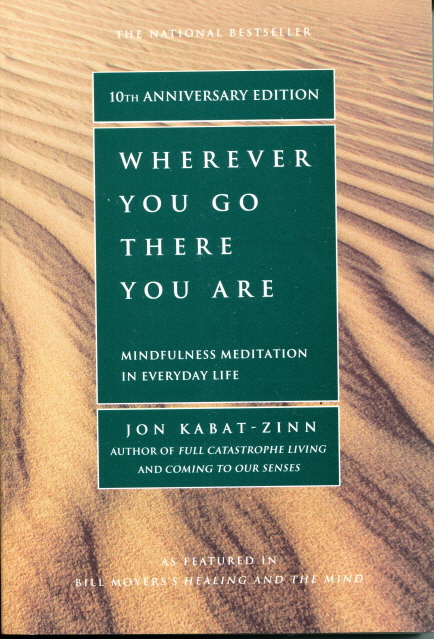
The book I have been trying to finish since 2002:

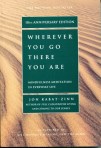
Wherever you go There you Are
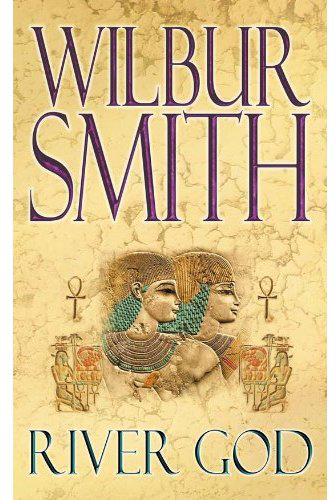
A novel I picked up (on Ancient Egypt): River God
And three books-part of a series of four) I found after couple of years of looking  (they were in school all this time!)

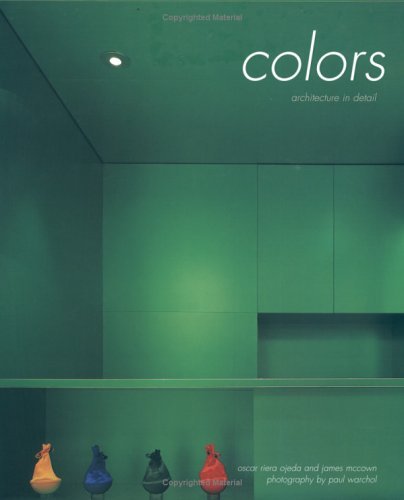
Architecture in Detail: Colors
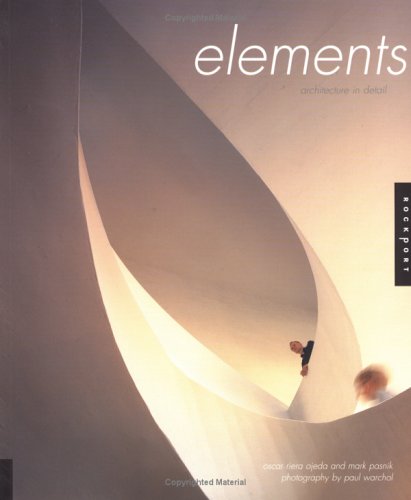
Architecture in Detail: Elements
Architecture in Detail: Materials
Architecture in Detail: Spaces
To everyday sit in the light few minutes, make our soul soar with words and thoughts greater than the mundane tasks, lists and even technologies we surround ourselves. To rise above exhaustion and see a smiling face who tells you ‘It is always so good to see you. Seeing you always makes me smile.’ To take a moment to be kind and acknowledge kindness….to realize the greatest technological marvel is already inside of us. To celebrate our spirit, learn everyday something new, take an instant to be thankful and, above all, silent. To live art and music everyday. To sneak in a poem, or remember words such as ‘illuminate’, ‘transcend’, ‘visionary’, ‘catalyst’. These are the things I am working on. I am busy, the work is never done, yet I try not to forget becoming is the goal, not just doing.

Now, for creative brainstorm, try to google images for ‘inchoate’, ‘inchoate : experiments in architectural education’ ,’detail in architecture’, and ‘architecture detail color space elements’ . I see a collage coming…

Send me yours.

Read Full Post »
The beginning of an urban scenario collage. Oct.19, 2010.

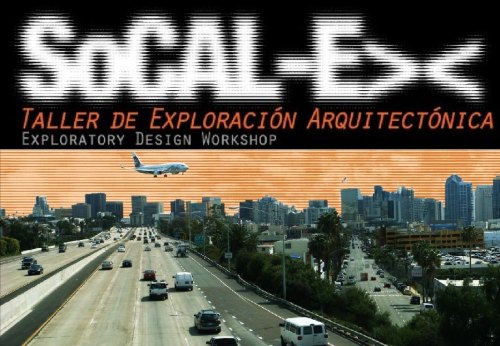
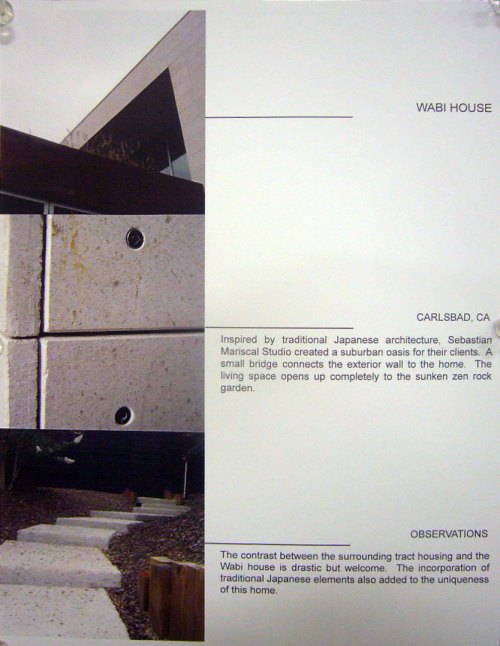
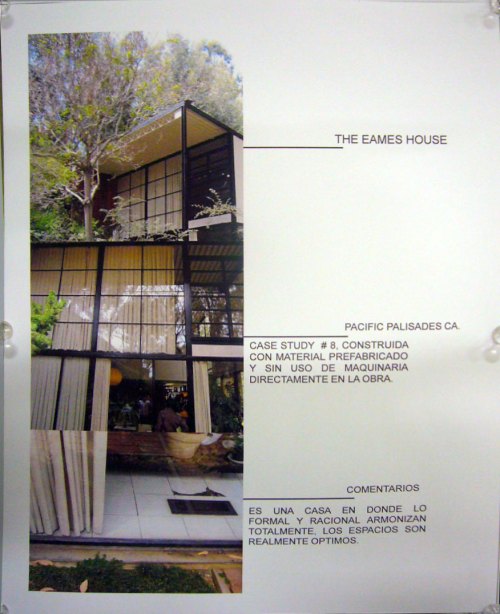
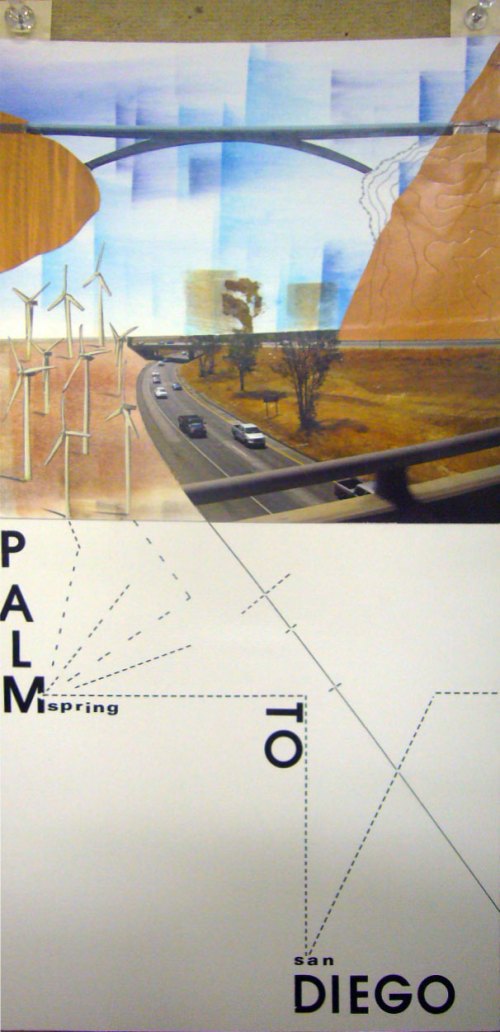
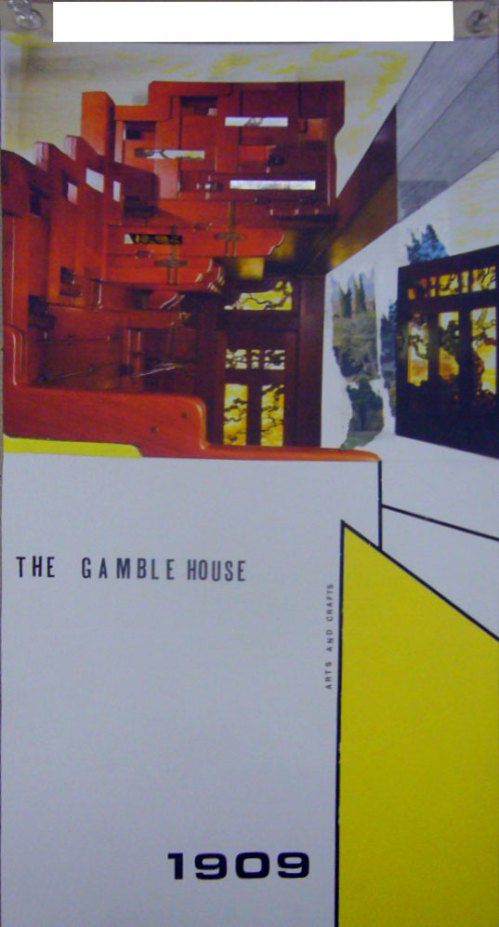
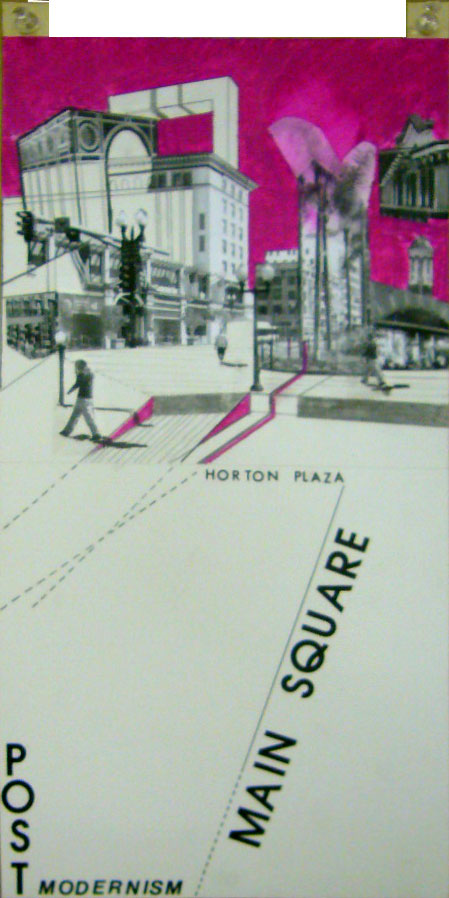
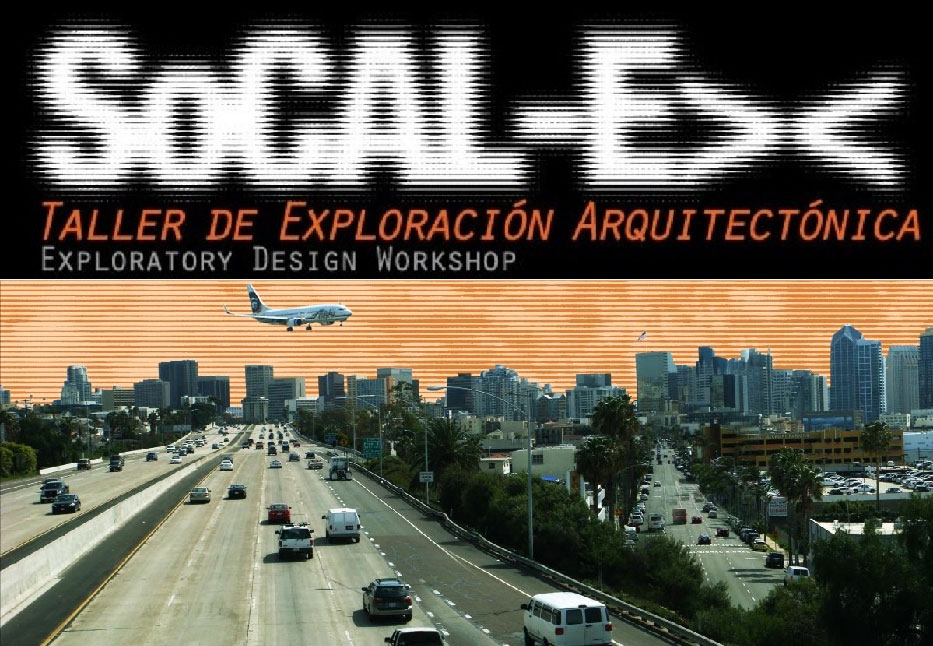
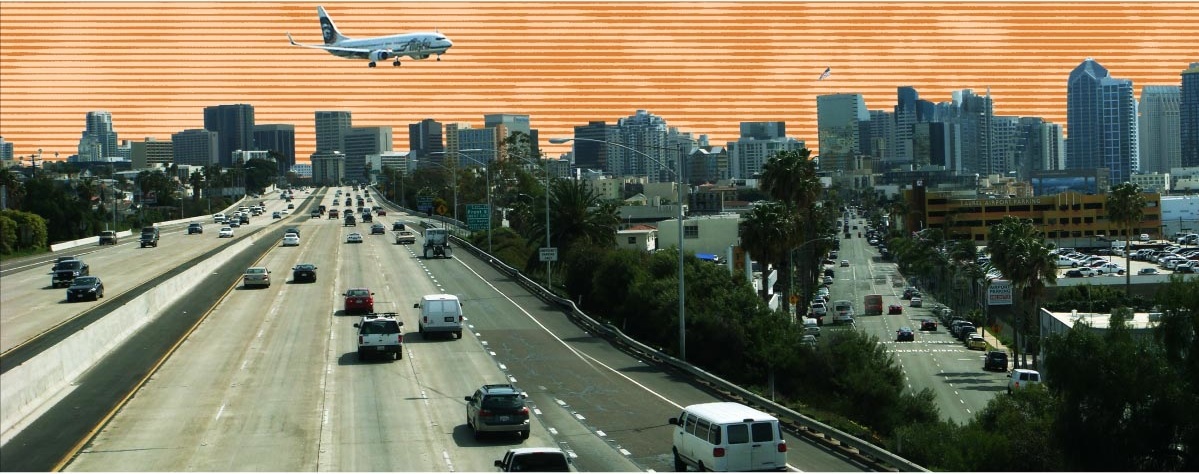
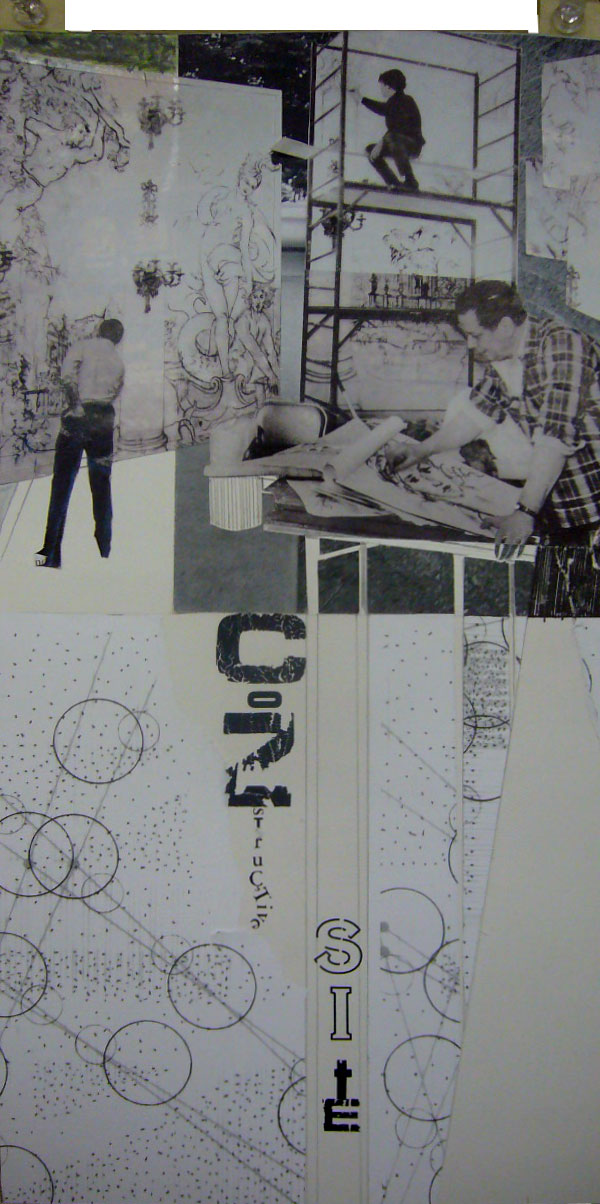
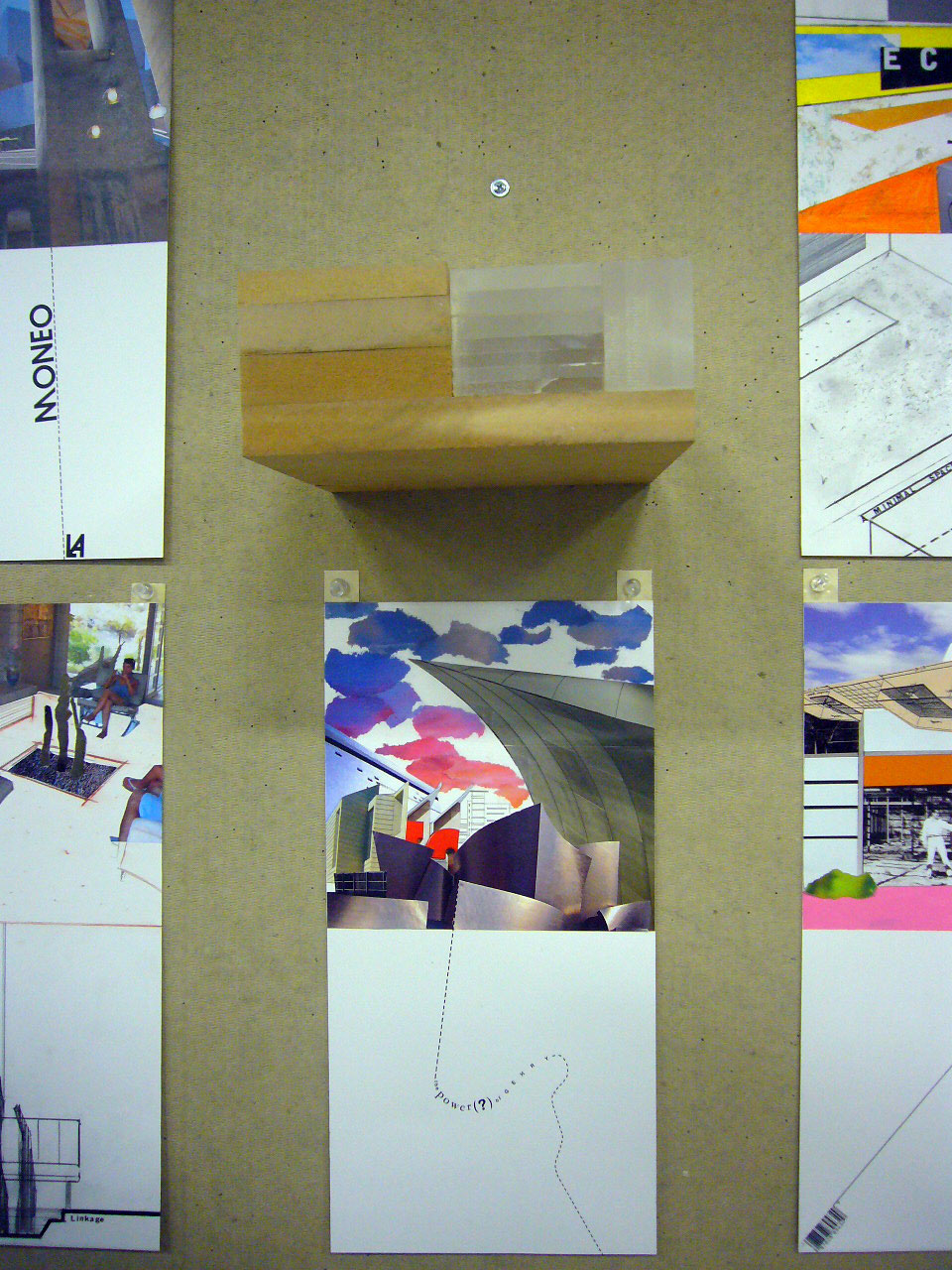
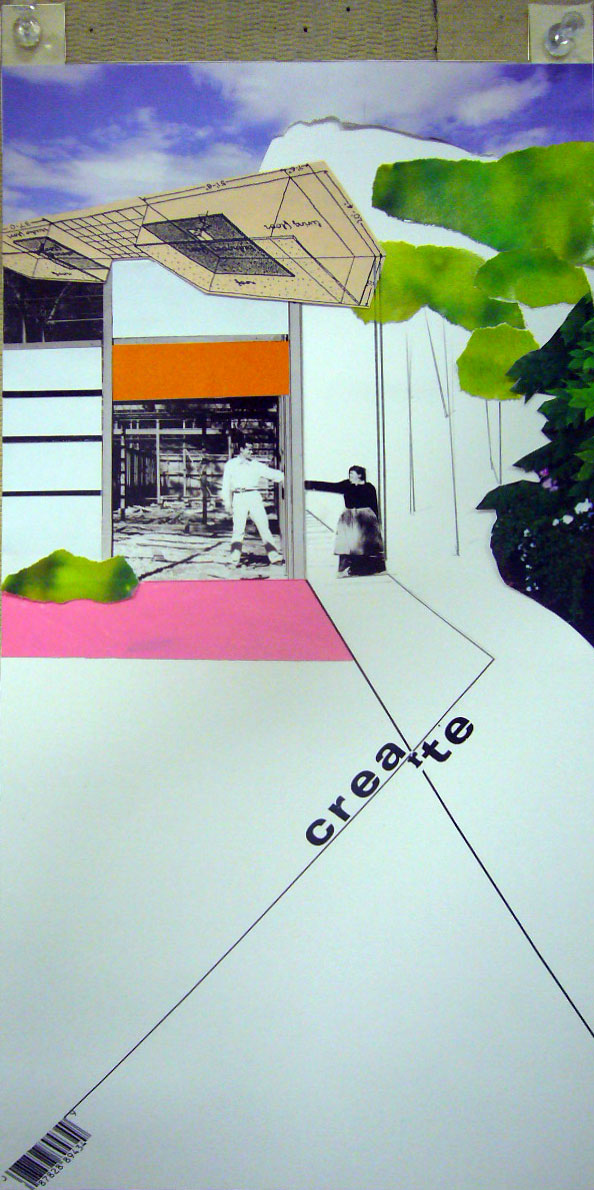
I have been thinking and wanting to explore collages again since this summer, when I was so inspired by Hector Perez and his students’ work with SoCal Ex–but not until today I finally acted on that impulse. I have two works done and one almost complete. Two to share, and one part of a larger, more ambitious project that will have to wait for a bit.

What I love about collages is their sustainability (this below was made for prints that were to be thrown away), and their serendipity. There is a magic about collages, finding enough materials or copies of subject to bring a piece to completion, or that sudden inspiration that constitutes the ‘aha!’ factor of the collage. I am referring to old-school paper, scissors and exacto knife collages, glue-messy ones….there is nothing like digging through your collage material container and unearth and reassemble a work you didn’t even know existed or could compose.  The root of the word collage is the same as the  French verb ‘coller’ or to glue (a latin verb, in italian ‘incollare’). Collages are associated the the Cubist and Surrealist art movements in the last century. Picasso and George Braques are said to have coined the term. In Surrealism, we find more three-dimensional assembly/collages that resemble nonsensical machinery. There is a very fine line between sculpture made of found objects and three-dimensional ‘collages’. The key being, in my opinion, the spontaneity and uplanned process leading to the finished product, which, really, is never meant to be finished.

The exploratory aspect is the most attractive component of the collage process to me, the element of surprise, play, even psychological discovery that all contribute to give life to a work. It is quite extraordinary how when the mind lets go the art takes over (you can call it soul), and such a welcome relief from too much art that is planned and executed like a project. Collages keep the wander, let us, like sketching, solve ourselves. There is no right or wrong because the destination is never known in collages. How utterly liberating.

Yet the best collages, like the best works of art, appear undeniable in the end, as if the piece just ‘made sense’;  they acquire layers of meaning with passing of time, age well, even acquire a certain patina. More than anything, they became more lovely or intense with each time your gaze falls on them. The personal fragments embedded in the collages will echo throughout the years; they will forever signify a time, place and emotion captured, crystallized, amplified.

In architecture, collages are extremely useful right-brain experimentation, and we see the Situationist using them to chart new maps of possible cities. We see collages in the 1960’s and 70’s in the works of  Archigram, Superstudio, Coop Himmelblau and others.  Richard Meier is a starchitect and collager. Whether or not you favor his brand of architecture I think that we all, as architects and academics, ought to have, like him,  a way and time  to let our innate sense of creativity develop, A time to use our hands (not the mouse, not the tip of our finger)and remember how to let our mind play and discover itself. Build something with our hands, an alternate reality, even if  paper-thin.  Collages are where we can dream, using pieces of reality. I suspect that regular collaging would open us (and our art/design)  to  inspiration, mental flexibility, maybe even brilliance. 

Richard Meier’s collages complement his architecture. Unlike his architectural drawings, they are nonrepresentational; like these drawings, they record process.  Like his architecture itself, they study relationships in space and seek difficult reconciliations of the opposed conditions of “found” discord and ideal order.

“A single collage is not begun and finished by itself,” says Meier. “On the contrary, works in various stages of evolution are left in notebooks and on the shelves of my studio, left sometimes for months or even years to await their own period of development.  A collage is often the result of many revisions.  Each must be seen as an element in my total work; they are, for me, an adjunct and a passion related to my life as an architect.”

“Meier has an eye, and a mind to use it,” the architect John Hedjuk has written.  “He doesn’t create all those collages at night at home for nothing.  The collage making is his midnight boxing ring.  It keeps the hand and the eye trained.”

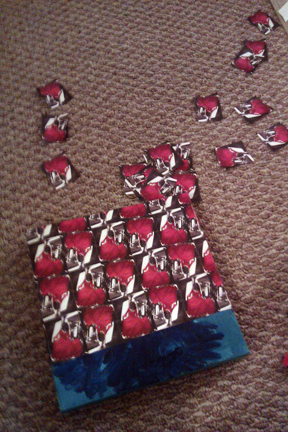
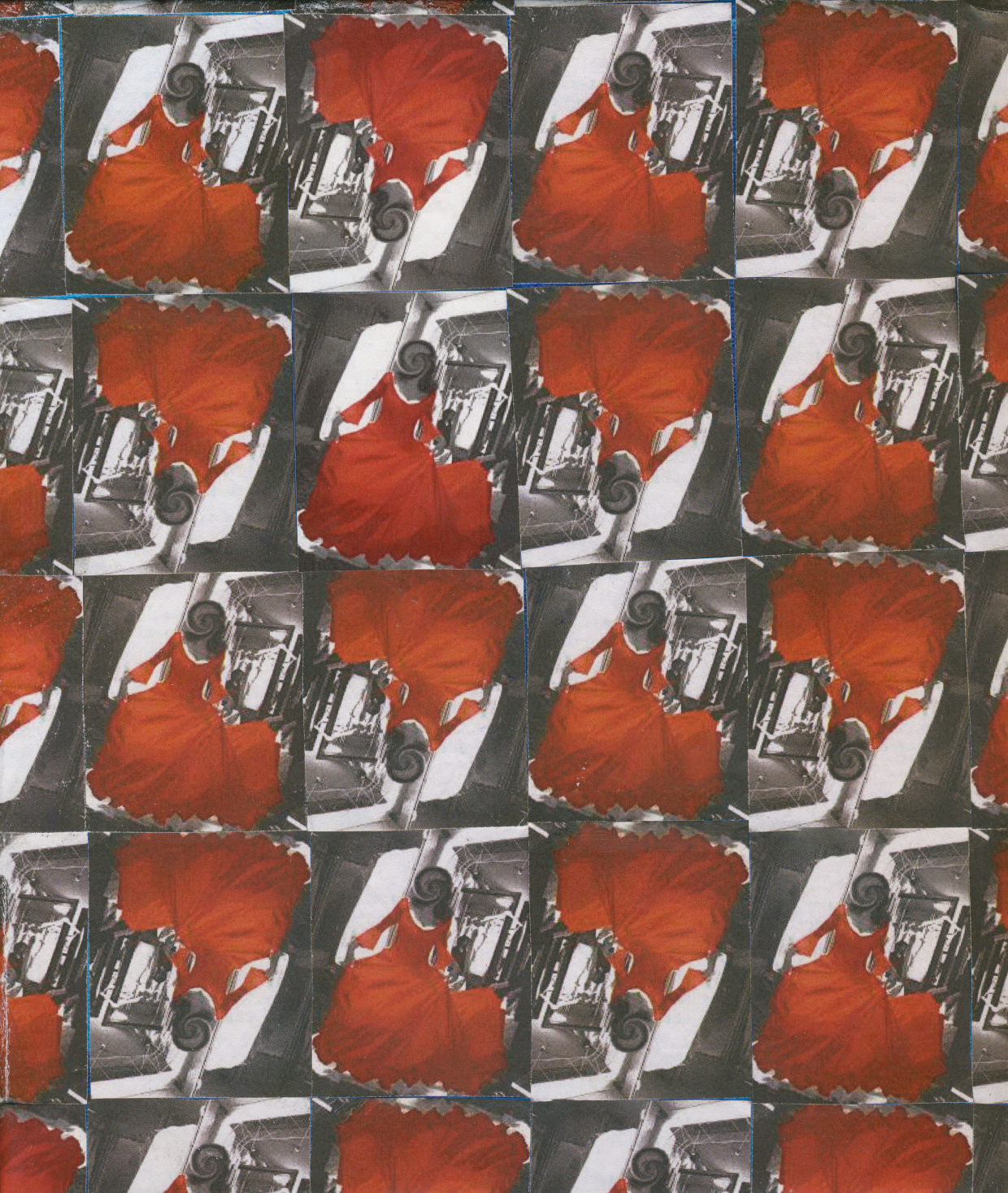
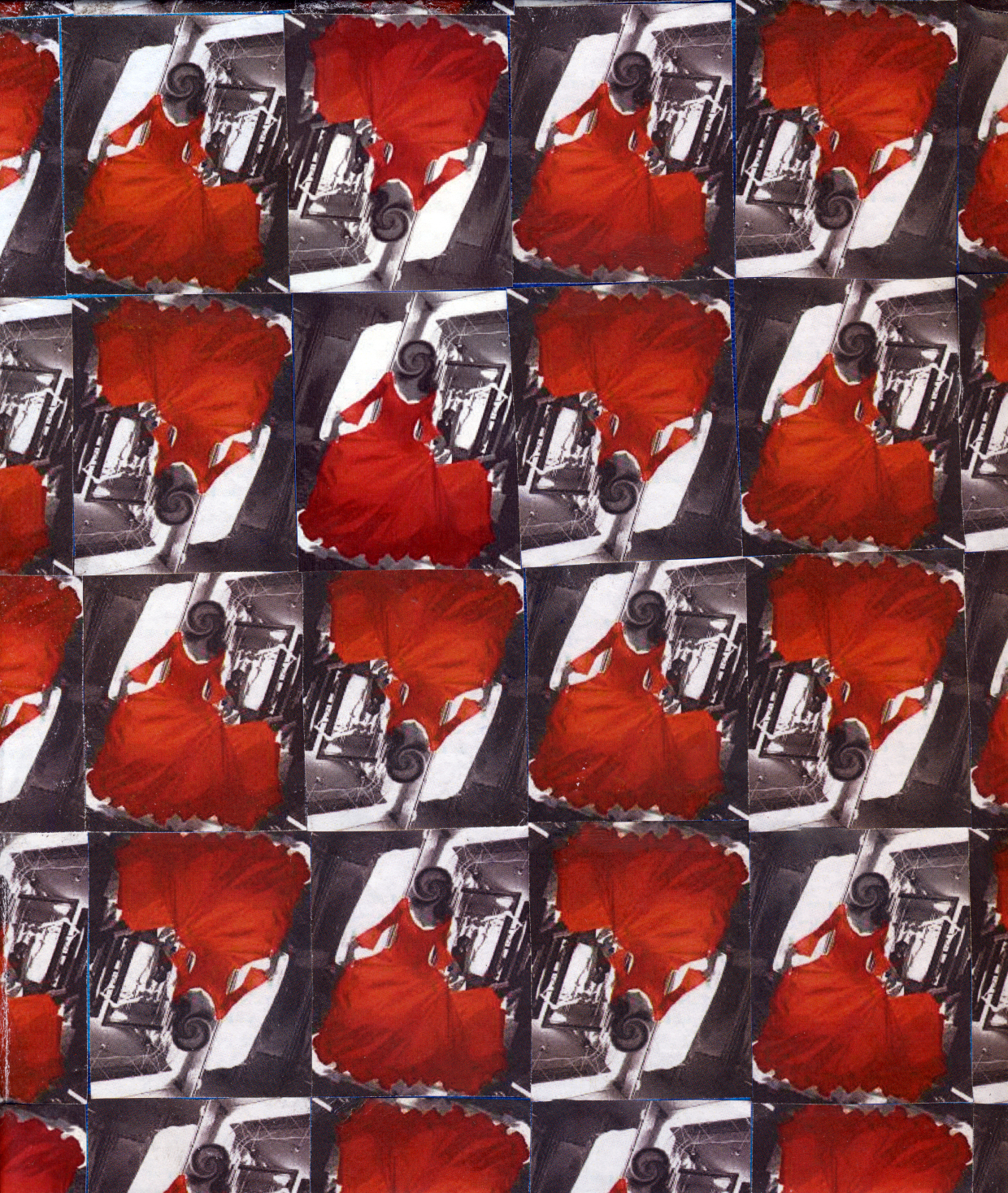
This is what I have been working on, all material from extra pages from printing this blog for my mom in Italy (I send monthly installments via mail because she refuses to make friends with computers. Mamma, when you read this, know you killed a tree ;)).

I applied an ‘antiquing’ crackling glaze to the glazed canvas so we’ll see how it develops. I dig the diagonal/chainlink texture which resulted from the juxtaposition of the pieces. The celling adds an architectural/design reading to the piece. What do you think?

Read Full Post »

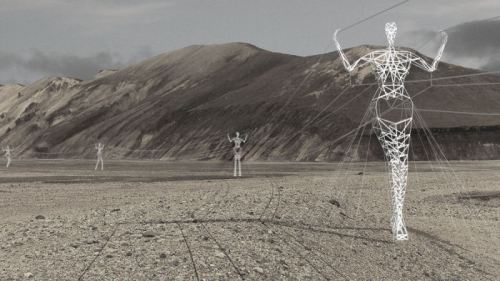
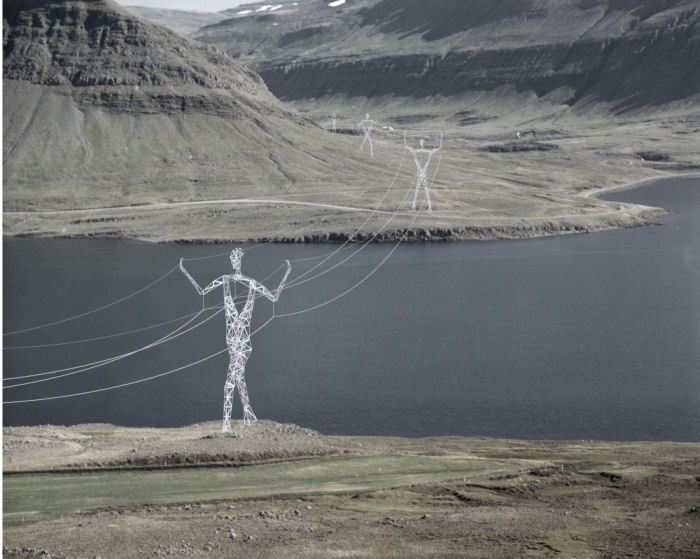
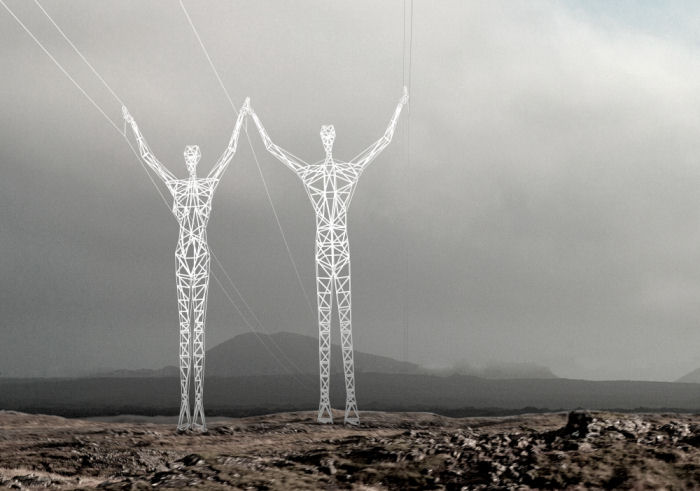
Steel frame poetry. Click for more info ore read below.

Choi+Shine, a Massachusetts-based design studio has recently received the Boston Society of Architects Unbuilt Architecture Award for their creative concept Land of Giants™, transforming the generic steel-framed electricity pylons across the Icelandic landscape into unique, individual humanised forms.

Read the World Architecture News article here.

In contrast to the poetry of the unbuilt, and whenever I see vision in design and architecture, there are the missed opportunities of the city around me. In my History of Architecture class I like to tell students that Architecture is built politics. By this I mean that the architecture of the civilizations we study, even the built environment around us, is the embodiment of a people’s values, belief system, socio-economic conditions (or agendas). Architecture can literally be considered ‘the body politik’.
During a recent conversation with a colleague the meaning of absence came up, that is, the absence of benches or piazzas in downtown San Diego. America’s Finest City enjoys the perfect temperate weather, is gifted with a beautiful natural setting, and yet its downtown does not invite enjoyment, people watching, outside of commercial establishment. This is a city that is, peculiarly, not urban at all, but fragmented, servile to cars, at times alienating. In the heart of its historical quarter, the Gaslamp, the city does not yield; no place to sit and pause to take it in.

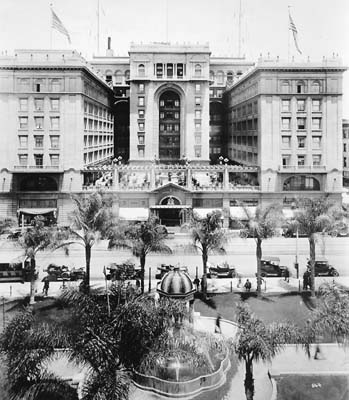
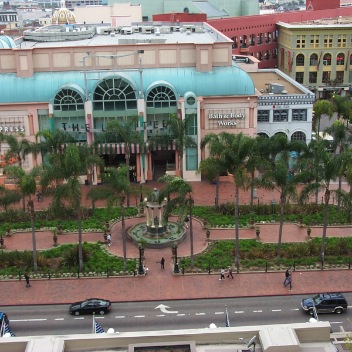
There could be such place: Horton Plaza.

Downtown San Diego. Horton Plaza is in the 'Core'. Balboa Park is visible on the upper right corner. from onlinesandiegohomes.com

Horton Plaza/Fountain Side is a potential piazza whose use is twarthed by the deliberate use of ‘discomfort’ tactics: rough landscaping and the absence of benches, or seating at human-being level. I see tourists crouching down on curb edges everytime I walk by. There is a plan by the CCDC to ‘reenvision” the public park to make it more attractive‘.

Horton Plaza, facing the U.S Grant Hotel. San Diego, 1910. Fountain and plaza design by Irving Gill, who proposed four tiled walks (the city approved two, not tiled). Notice the cordoned-off lawn, and the absence of benches, even back then. sandiegodailyphoto.blogspot.com

Horton Plaza before 2008, with fountain still operable. It is flanked by a mall by the same name ( I love when malls appropriate the names of public space they displace, names such as 'Plaza', 'Avenues', 'Boulevard' etc.). Tall, unattractive plantings and no benches make the use of this piazza impossible. From http://sdhs1960.org/photos/yesterdaytoday.html. Adding ugliness to infamy, the fountain has remained fenced and inoperable for two years with no immediate plans for restoration. From signonsandiego.com

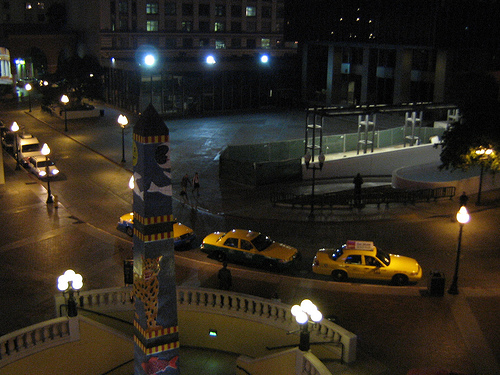
Horton Plaza/’Farmer Market’ Side is an open space eager to be a piazza, yet at the stage of ‘Piazza. Interrupted’. Why? The absence of seating, appropriate lighting, or a focal point in this location (a fountain? a modern sculpture?) renders this an open space to be traversed as quickly as possible, day or night, where spontaneous gathering is not encouraged (except for the commercially-viable weekly Farmers’ Market half-days or the inescapable ritual of the holiday ice-rink).

Horton Square, between the Horton Plaza Mall and the NBC building in Downtown San Diego. From shindohd@ flickr.com.

But Horton Square has potential, at least it’ s not a permanently-in-shade, unusable ‘public space’ such as those found among high-rises in financial districts nation-wide. You know what I’m talking about.

Wells Fargo 'Plaza', Financial district, San Diego. from frwl @ flickr.com.

Upon reading ‘ Why Public Spaces Fail’, it seems like San Diego has used this article as a blueprint to eschew its public responsibility and alienate the public sphere.
Of course anytime public space is brought up, the issue of the homeless is dragged out like a decaying corpse from the cellar, to once more make an appereance in trite arguments. The refrain goes ‘ We cannot have any public space in San Diego because of the homeless’. Meaning, if you build it, they (the homeless) will come. And we can’t have that. It’s as if the city, to paraphrase Ani di Franco’s words, instead of curing the disease, is bent on suppressing any evidence of the symptoms.
Of course we have the public, but touristy, Seaport Village and our cultural, manicured, Balboa Park. Both are not integrated with the urban fabric of downtown San Diego, that is they are destinations, not generators (can I say incubators?) of urban moments within the streets/flow of the city.
Balboa Parkis a wonderful (or maybe just pretty, depends on the days and my mood) public space, also designed by Irvin Gill,  and yet it is a place apart, an idyllic, bucolic, museum-filled oasis . I have not tried to go there at night, but I suspect that, in addition to dangerous, the park closes at night (like most American parks, something that doesn’t happen for public spaces in Europe). There are no night activities encouraged in Balboa, except for going to eat at The Prado restaurant, which stops serving food around ten. This could also says something about San Diego early bird ethic, and limited vision when it comes to cultural events. Balboa Park could be made an integral part of Downtown by better, more frequent transportation and by its transformation into a cultural hub, with stores and museums open at night. There are already good news: the main plaza of the park, originally designed as a public space and made in recent decades into an ugly valet parking lot is to be restored to its original use (!!). San Diego will finally have a true piazza (hopefully with seating opportunities) and I for one plan to go there sketching as often as possible.

The lack of piazzas or urban public spaces is not of course a San Diego phenomenon, or a Southern Californian one, but a North-American one. Why criminalize the act of spontaneous gathering, why call it ‘loitering’? We do not have this word in the Italian language, not with the negative connotation. What else but healthy loitering and thinking is done in piazzas in Italy? We can speculate, get political, be conspiracy theorists. We could talk about the privatization of public space. We could wax poetic about missing piazzas and the public consciousness of European cities.

Or we could-maybe- all agree on the beauty of (un)built poetry.

Read Full Post »

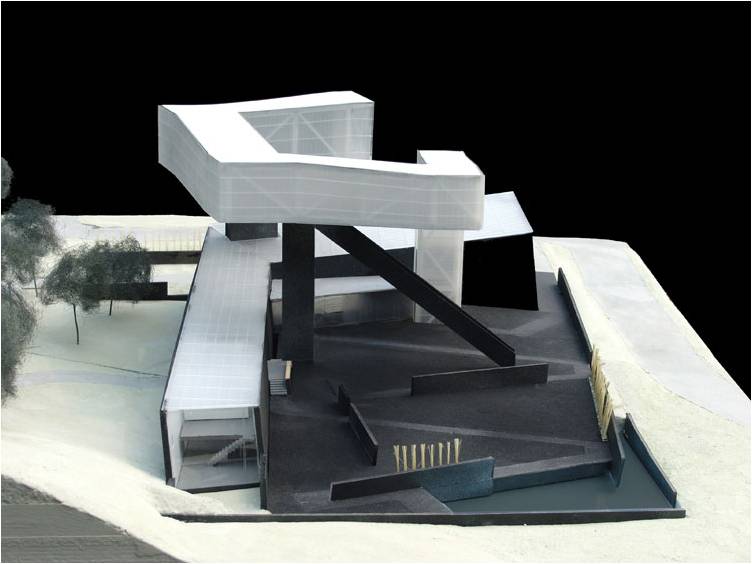
Toolenburg- Zuid. Steven Holl

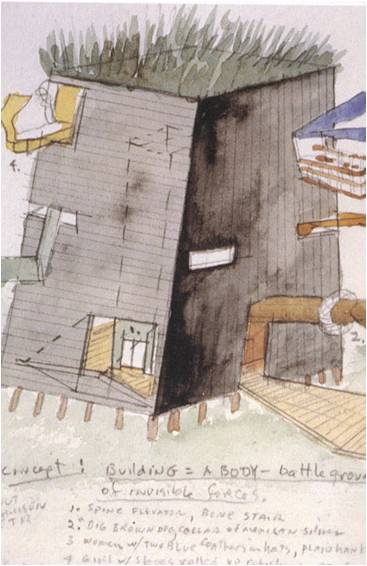
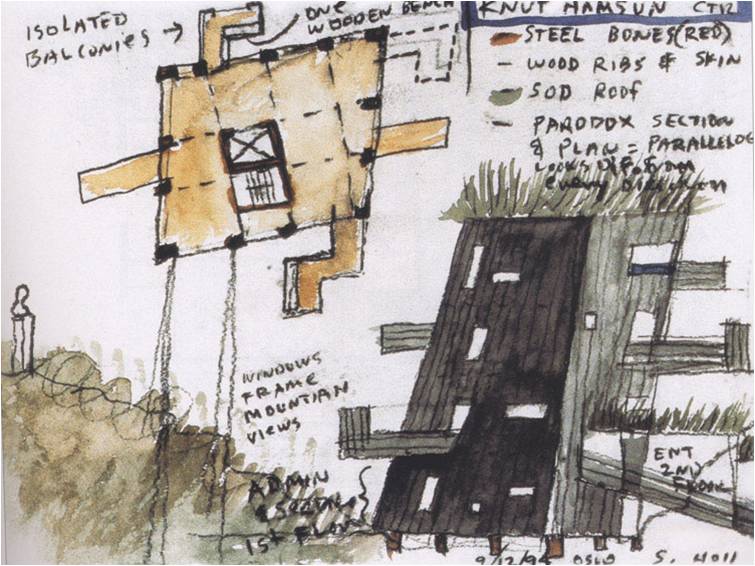
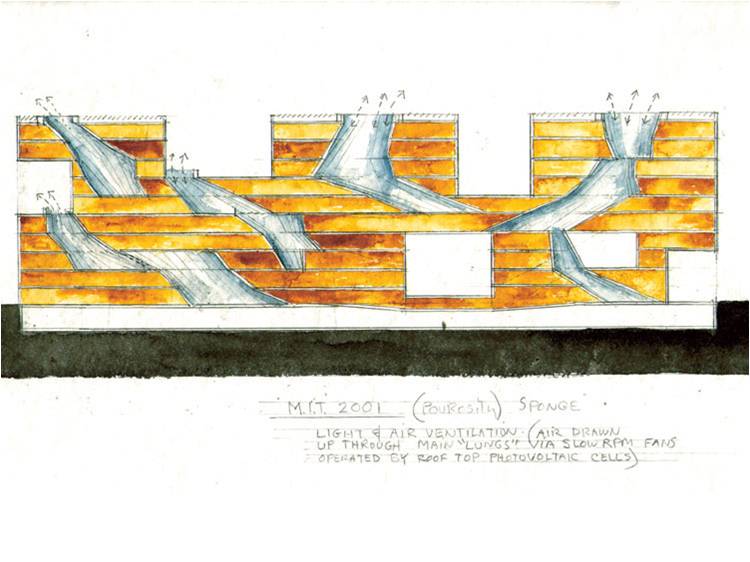
All images are from a research project completed by my student, Mariam Thomas, on Architects as Artists and their rendering/design techniques.

The relationship between architecture and art, and the study of practitioners who are also artists (with the mindframe of artists), whose design process transcends design practices and pragmatism to include enlightment, discoveries and art- wonderings is of immense interest to me. Not only because I come from Italy , where the greatest architects of ‘our’ Rinascimento where first and foremost artists, but because I believe Architecture (with the capital A) is meant to embody Art and , in the best cases, become visual poetry (or frozen music). The relationship between the word and the built, i.e, literature and architecture, and architects/artists who are poets and writers…all these are dynamics that not only fascinate me, but give me hope and recharge me. I would love to one day explore these themes through one of more courses.

It’s fantastic to see the relationship between Steven Holl’s initial sketches and watercolors and his buildings, which preserve intact the spirit of their inception. I saw one of his works on the water in Amsterdam: it was similar to an e. e cummings poem, minimal and undeniable.

The line is so thin between his grayscale watercolors (an obsession of mine lately) and his white-grey walls. Holl’s book ‘Written on Water’ is one of my favorite books in our library, I steal it often.

Beautiful, Beautiful, Beautiful. I need to complete some collages soon, semi-architectural, archigram-style.

I have only been collecting ‘collage material’ for eight years. I hold on to fragments that could one day be part of a piece, it is time to justify these attachments.

I can hear the words in my future memoir:

At the end of the aughts, beginning of the twenties, there was no work. We were all doing collages….they were beautiful. We had time to think, sometimes not, but we still had books, and paper, and ink.


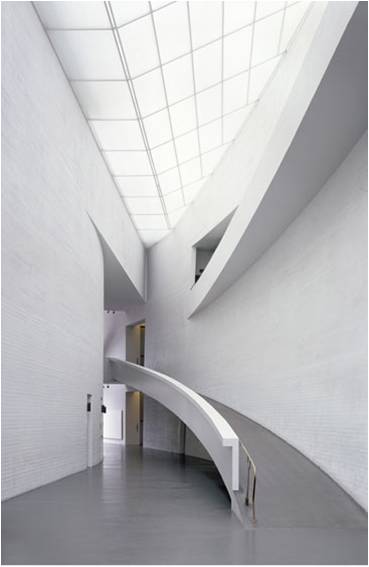
Kiasma Contemporary Art Museum(1992-1998). Steven Holl

Kiasma Contemporary Art Museum(1992-1998). Steven Holl.

Nanjing Museum of Art & Architecture (2002-2009). Steven Holl.

Nanjing Museum of Art & Architecture (2002-2009). Steven Holl.

Knut Hamsen Museum (1994-2009). Steven Holl.

Knut Hamsen Museum (1994-2009). Steven Holl.

Knut Hamsen Museum (1994-2009). Steven Holl.

Chapel of St. Ignatius (1994-1997). Steven Holl

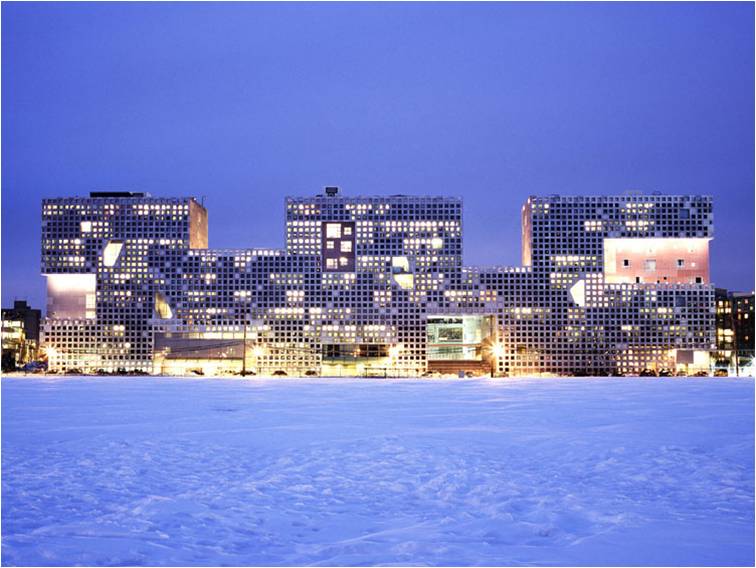
Simmons Hall, Massachusetts Institute of Technology (1999-2002). Steven Holl.

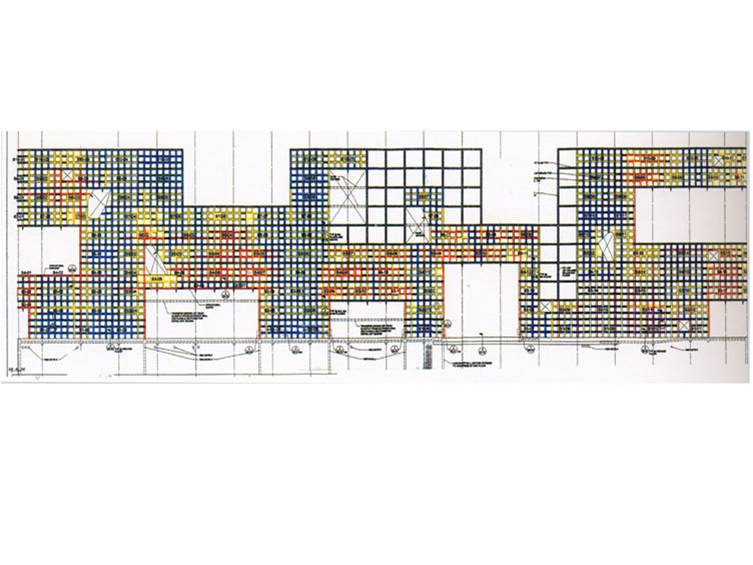
Simmons Hall, Massachusetts Institute of Technology, CAD drawing. (1999-2002). Steven Holl.

Simmons Hall, Massachusetts Institute of Technology (1999-2002). Steven Holl.

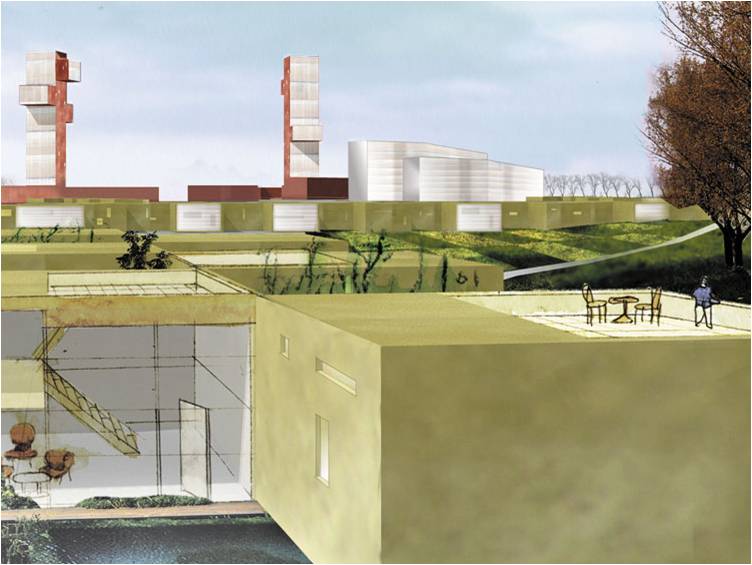
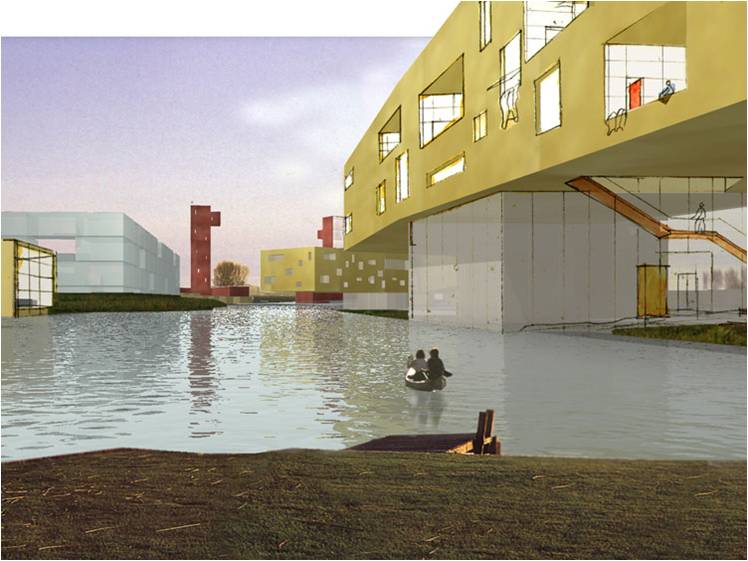
Toolenburg- Zuid. Steven Holl

Toolenburg- Zuid. Steven Holl

Read Full Post »

10 AM Roy de Vries- Learn to paint with Windsor & Newton Oil Bar

image

Roy was our first mentor, We started the day experimenting with oil bars, a mix between big oil pastels and oil paint. They allow for playfulness and immediate gratification, while lending themselves to interesting blending and the joy of an oil painting without all the cleanup and threatened muddyness.

image

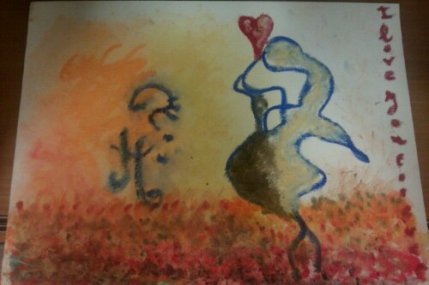
First experiment with oil bars. Can't wait to pair this up with a poem.


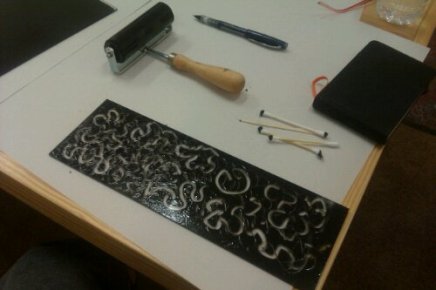
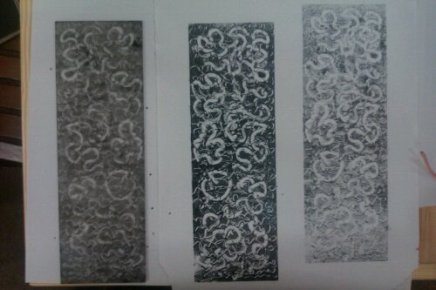
11 AM Valerie Henderson- Hands on Monoprint Workshop

image

image

'Stretching' the ink onto the plexiglass.

image

Removing the ink, working on negative space and texture with toothpicks and cutips.

image

The result: the spent plexiglass, the image and its ghost. I love prints and textures. Ready to be a designer for Ikea now;)


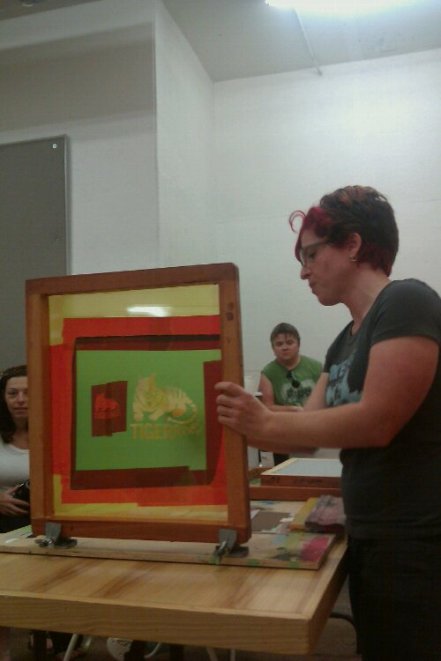
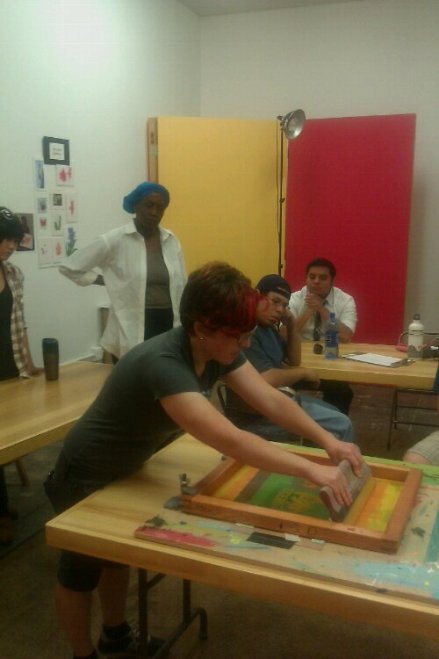
12 PM Lisa Starace- Screenprinting Demo
image

image

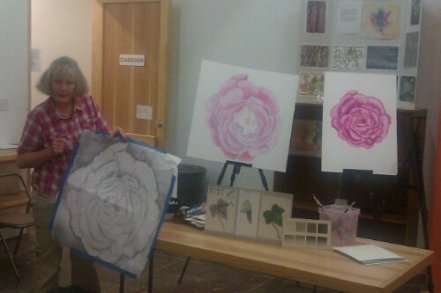
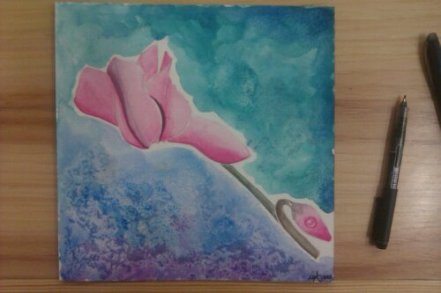
1 PM Marcy Gordon- Water Color.

image

image

Learning new watercolor techniques: wetting selecting areas of the drawing, alternating petals in this case, allows the water to have 'boundaries' and results in more controlled bleeding and blending.

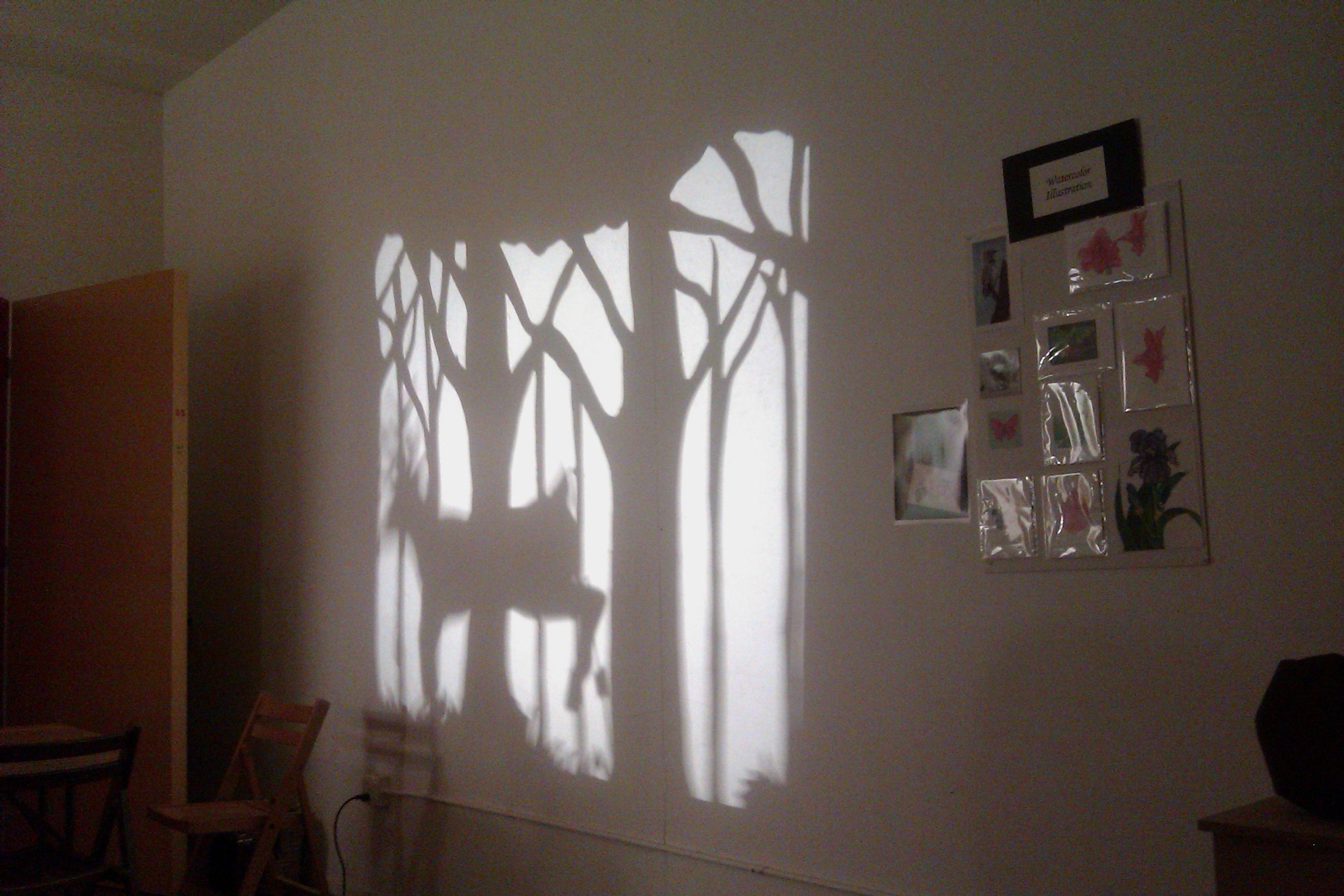
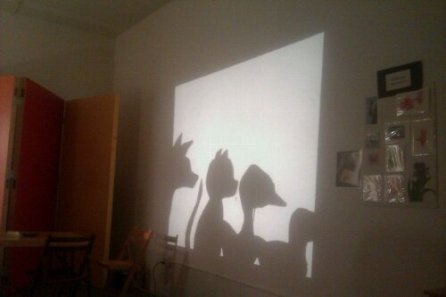
 3 PM San Diego Guild of Puppetry- Overhead Shadow Puppetry: Tips and Techniques.

image

image

image

image

image

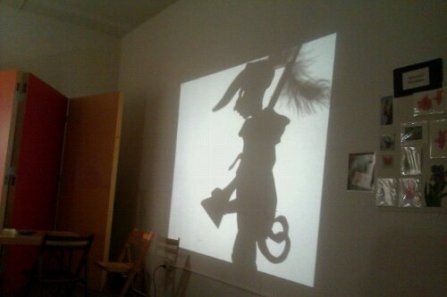
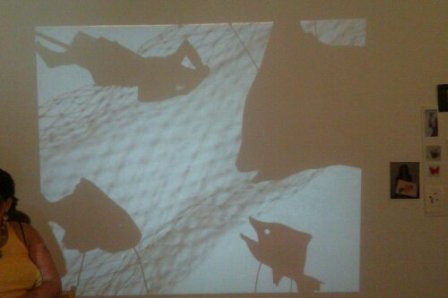
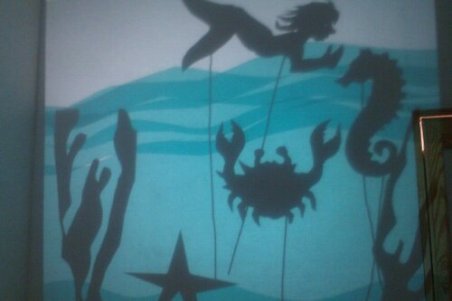
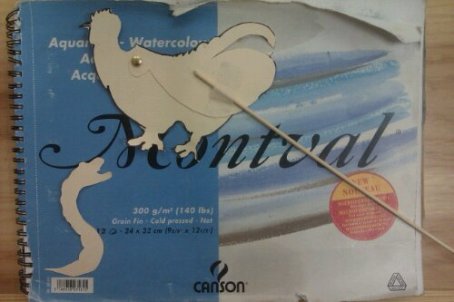
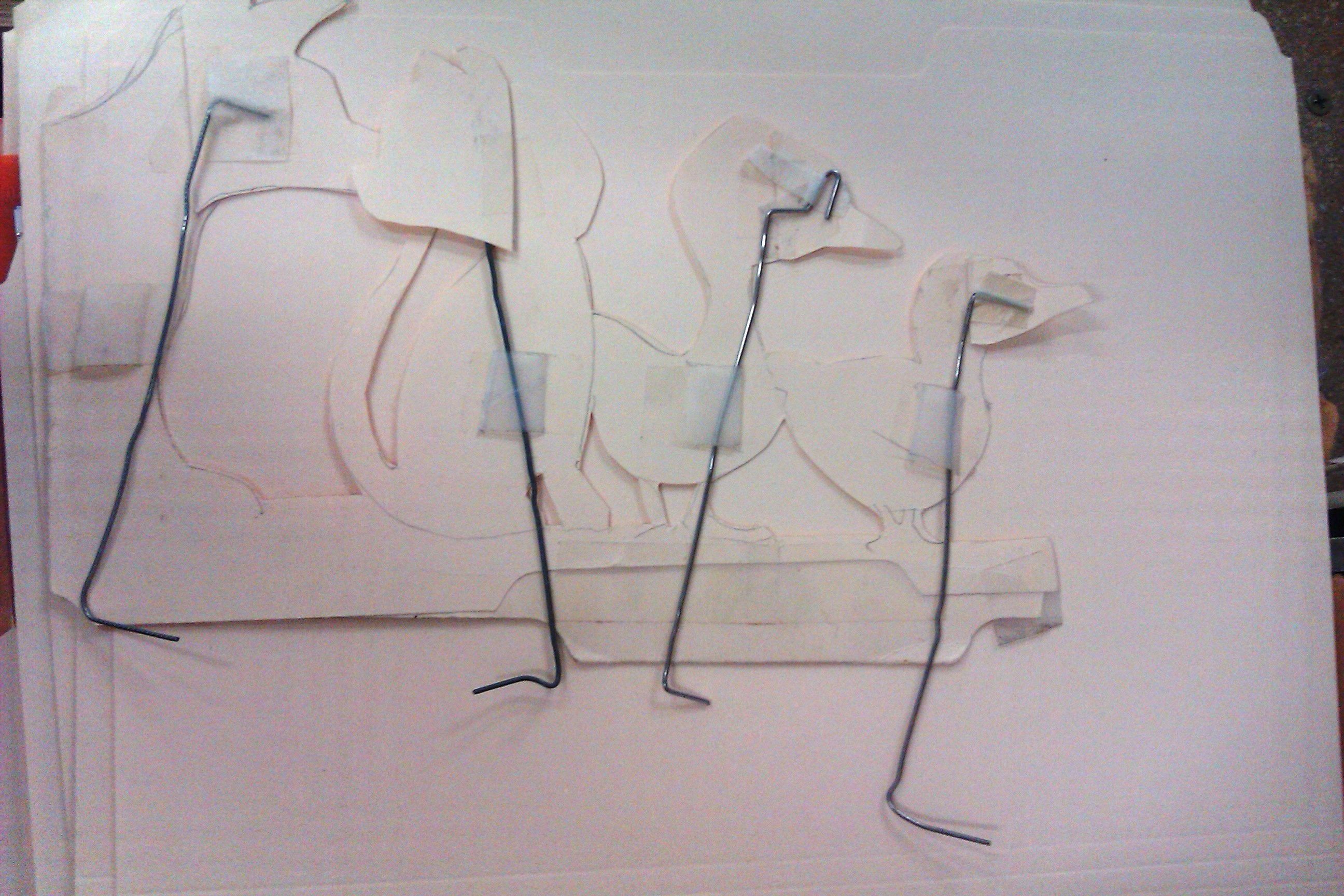
Shadow puppetry ...what a magical workshop. Here are my first movable 'puppets': a chicken and a worm/dragon. This was pure fun and I started thinking about shadow puppetry for architectural application (a city skyline to start a journey into form exploration).

The back of the puppets. Lots of work goes into making the moveable parts seamless and invisible.


4 PM Chris Warren- Laptop Musicianship.
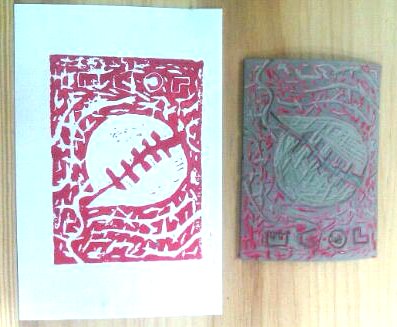
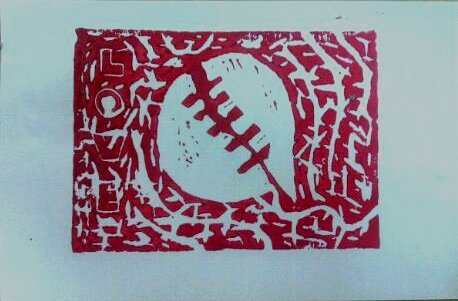
5 PM Jennifer Bennet- Collaborative Linoleum Print.

image

image

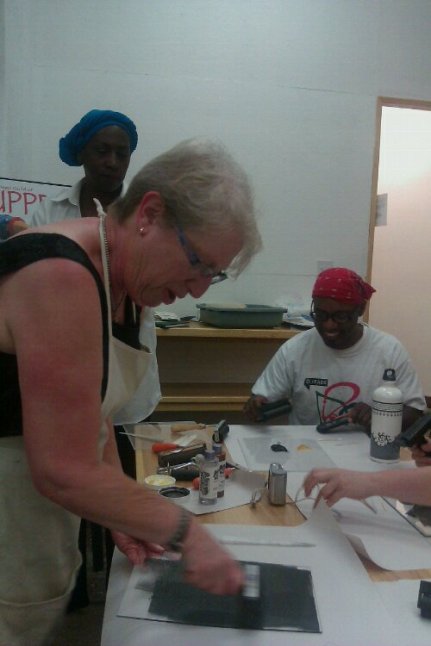
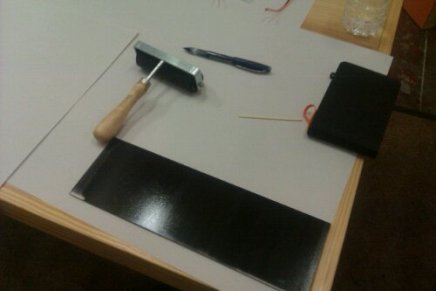
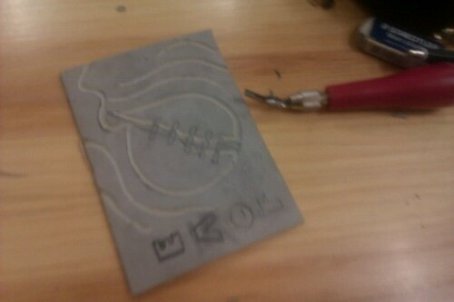
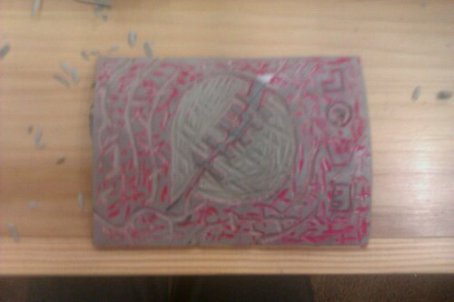
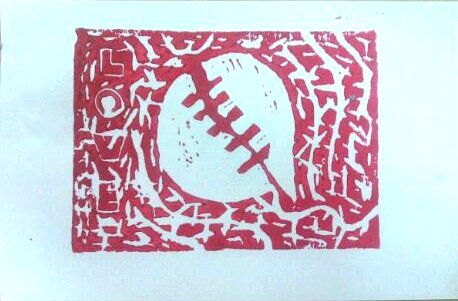
My first linoleum print since art school. Miss carving.


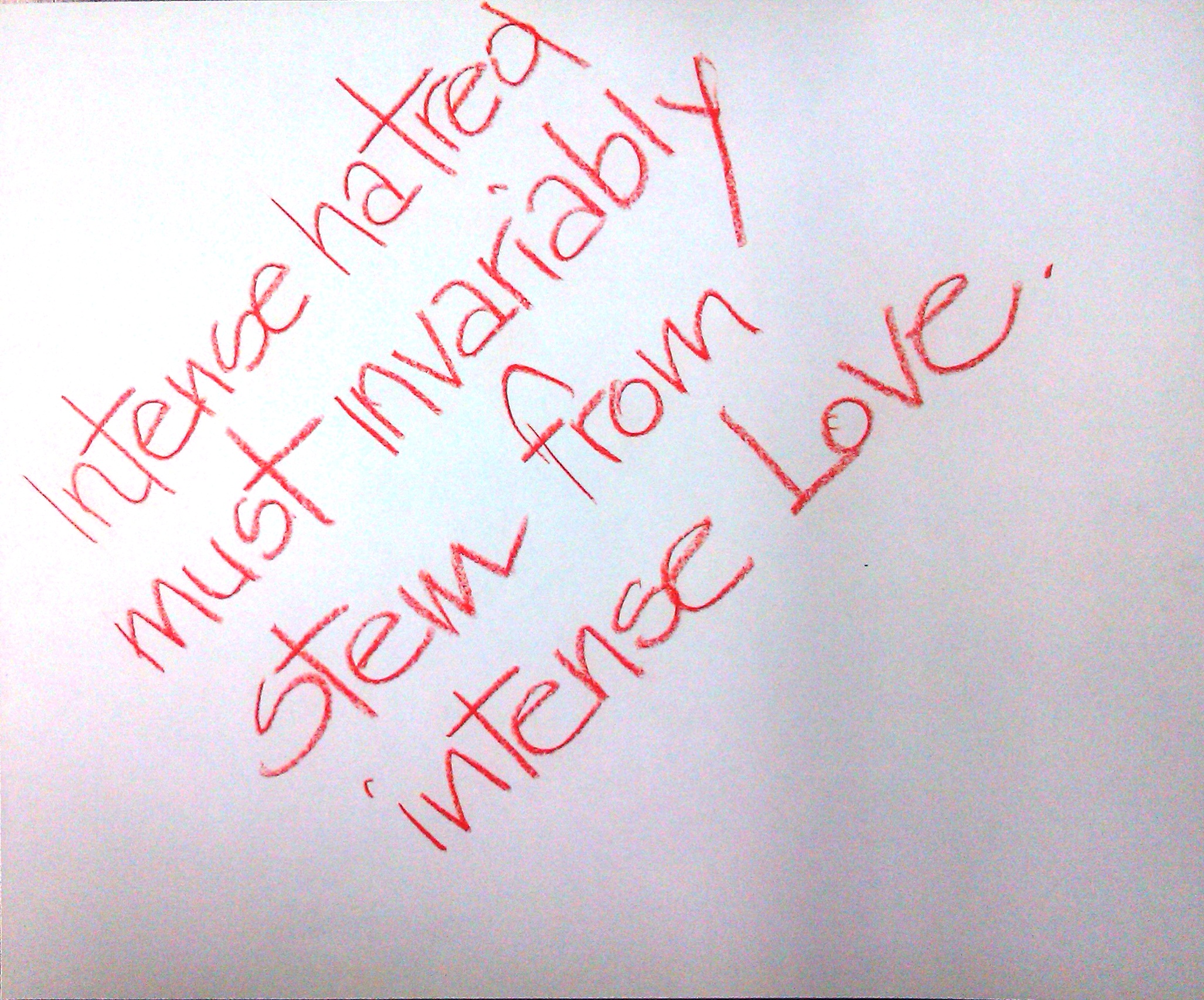
 8 PM Colette Plush- A Visual Interpretation of a Sentence.

My starting sentence.

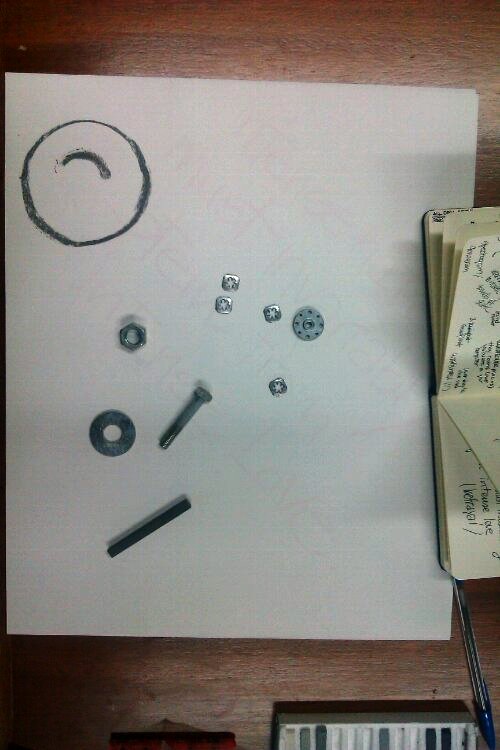
We followed a pretty elaborate process in choosing various hardware and found objects from various mounds, according to the number of words, adjective , verbs, the color of our sentence...

The end product.

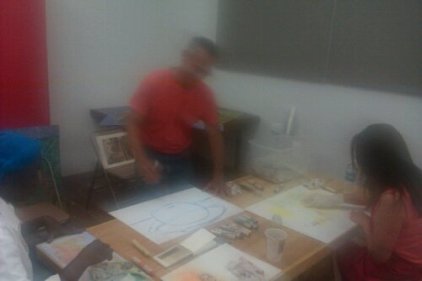
I attended these workshops two Sundays ago at SD Space for Art. It was incredible, a whole day of art, a sort of ‘intervention’ that every creative should undergo at least once a year.

I apologize for the delay in posting this, and for going a bit M.I.A.  Fall Semester has started at my school and while there is new energy and new purpose in the air — and I’m excited for the History of Architecture class– there just seemed to not be enough hours in the day lately.

Read Full Post »

How to pin a heart to a sleeve. Ink on Paper. 2002

A Time for Everything

There is an appointed time for everything.  And there is a time for every event under heaven ~
2 A time to give birth, and a time to die; A time to plant, and a time to uproot what is planted.
3 A time to kill, and a time to heal; A time to tear down, and a time to build up.
4 A time to weep, and a time to laugh; A time to mourn, and a time to dance.
5 A time to throw stones, and a time to gather stones; A time to embrace, and a time to shun embracing.
6 A time to search, and a time to give up as lost; A time to keep, and a time to throw away.
7 A time to tear apart, and a time to sew together; A time to be silent, and a time to speak.
8 A time to love, and a time to hate; A time for war, and a time for peace.

Ecclesiastes

Watch: {Buddha Bar IV – Agricantus – Amatevi  in Sicilian and Armenian}


“Know

The true nature of your Beloved.

In His loving eyes your every thought,

Word and movement is always-

Always Beautiful.”

– Hafiz

 from poetseers


“Amare, non significa convertire,
ma per prima cosa ascoltare,
scoprire questo uomo,
…questa donna,
che appartengono a una civiltà
e ad una religione diversa.
L’amore consiste non nel sentire
che si ama, ma nel voler amare;
quando si vuol amare, si ama;
quando si vuol amare sopra ogni cosa,
si ama sopra ogni cosa.”

Charles de Foucauld

 Prete cattolico e religioso che visse tra i Tuareq nel Sahara dell’Algeria


“To Love, does not mean to convert,
but first of all to listen,
discover this man,
this woman,
who belong to different civilizations and religions.
Love consists not in feeling we are in love,
but in the will to love;
When one is willing to love, she loves;
When one is willing to love above all else,
she loves above all else.”

Charles de Foucauld

Catholic religious and priest living among the Tuareq in the Sahara in Algeria


Happy Eid, Cammellino.

Read Full Post »

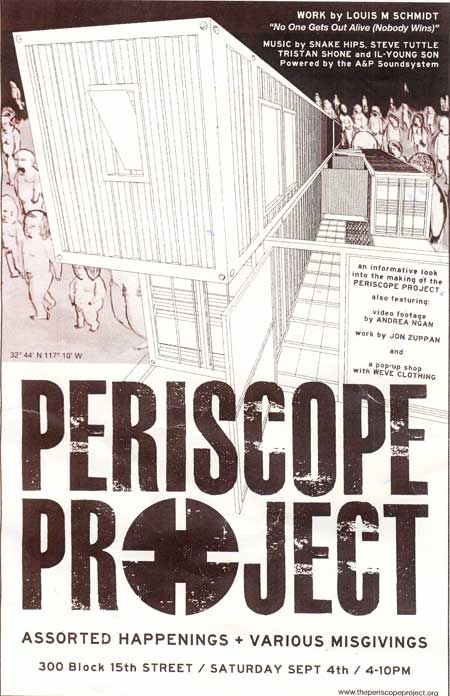
In the courtyard of Space For Art, Barri Logan, San Diego. Sept. 4, 2010.

Art installation by Curtis Bracher. Click on image to be taken to his website.

The studio of May-Ling Martinez. Click her to see her blog.

May-Ling welcomes us.

Some of her pieces. Like 3D drawings! There seemed a current of 'retro' inspired pieces at the Space for Art. May-Ling is drawn to black and white drawings, attention to lineweight and retro ads.

My friend/twin Richard (we are both born on Sept.12!) and one of May-Ling's works.

Gothic Cathedral. Crutches, Xrays, Pipettes, Test Tubes. 9'L x 7'W x 8'H Artist Statement: This piece addresses the 'illuminations'- the questions, convergences, and contradictions of spirituality and science...

Flying buttresses, crossing and apse.

Roof expression of the apse and crossing.

The nave and aisles, their paving beautifully detailed.

Another noir work by May-Ling, guarding the door to the courtyard.

Misgivings in Barrio Logans, ghosts stories, ominous hands that prey (still too close).

Misgivings II. The burnt witch.

Pardon the quality of the photos, my Panasonic camera is still out of commission, hope to get it back in working order soon!

Read Full Post »

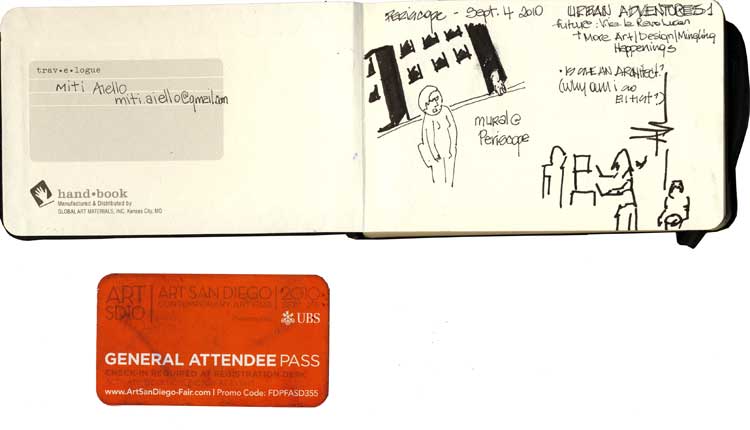
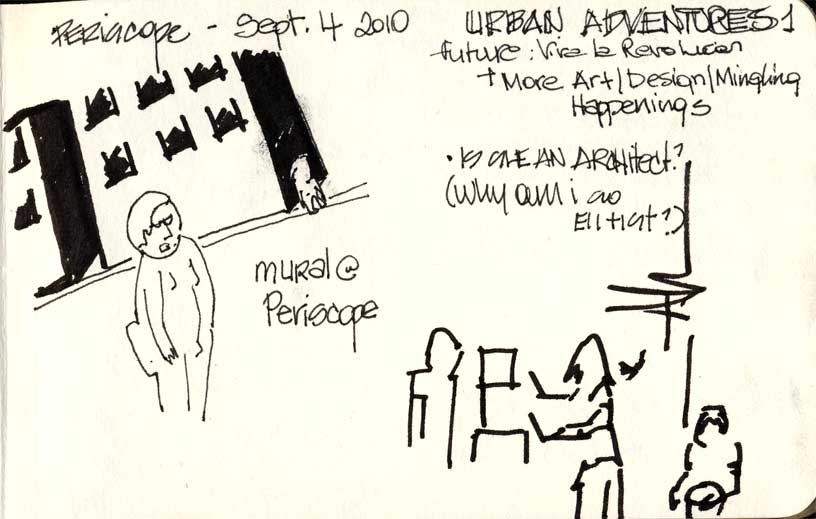
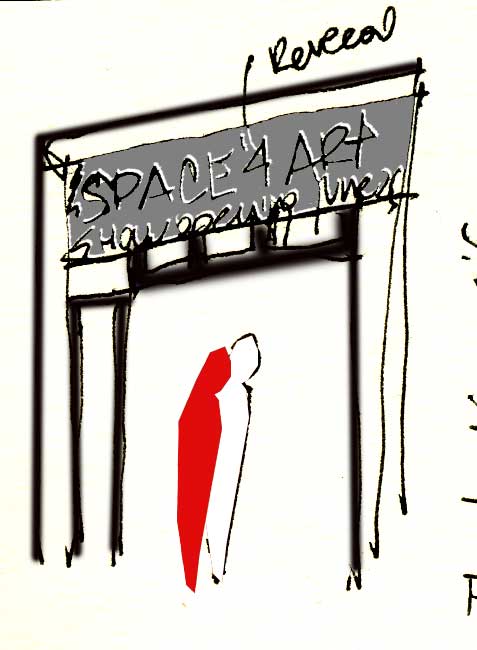
I am fading out, but wanted to post few mementos from the weekend of Art I just had, from the San Diego Art Fair at The Hilton Downtown (missed the gallery:() Friday, to Barrio Logan on Saturday Sept. 5 with the events at Periscope (child of the dear Petar Perisic) and Space For Art (child of the charette I participated in last September). I have few photos to add, and have to introduce you to some of the works and artists I met, but for now, my first sketches on my new urban mini-sketchbook.

Ink and marker on paper, Sept. 4, 2010

Ink on paper + digital collage, Sept. 4, 2010

To Be Continued…

Read Full Post »

image

Read Full Post »

Ink (Pilot Pen) on paper. 2008

Felt Tip Pen and Sharpie on paper. 2008

Read Full Post »

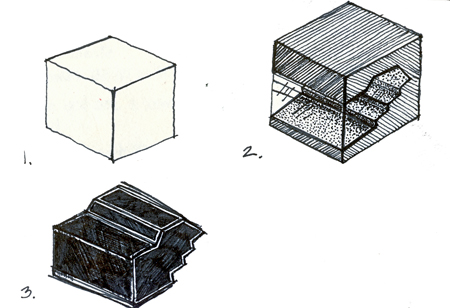
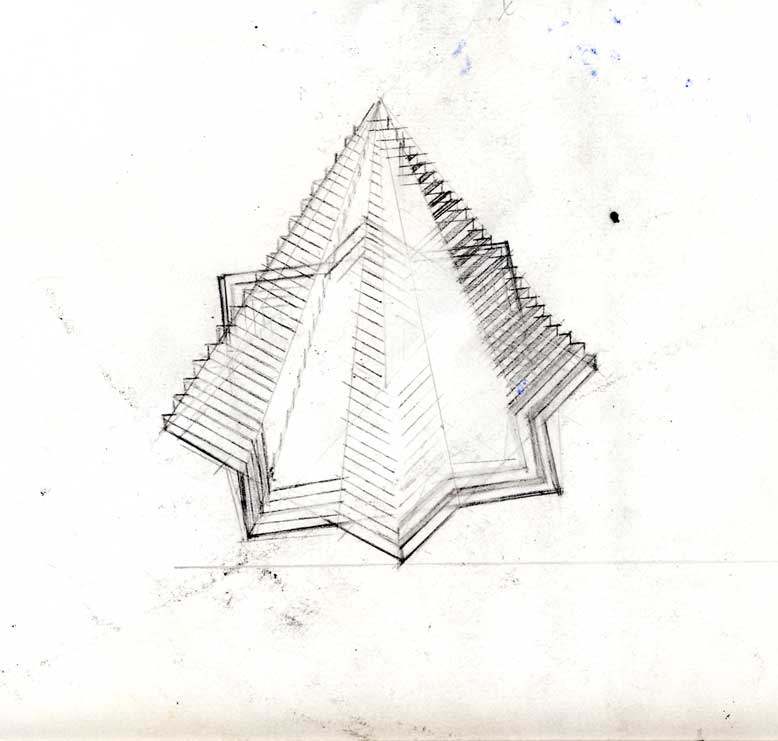
Platonic Solid Exercise. Graphite on Paper. 2007

Happy September. Post coming late today, but it is a new month and I hope this, my birthday month (yay) will be better than the last- and all summer for that matter.  Lots of challenges and growth but…they don’t call them growing pains for nothing.

In my classes today we shared links on artists, visual notes, wonderful quotes, and great books.  I can’t wait to tell you all about it.  Things are getting really exciting and we are all growing by leaps and bounds. Good stuff and a great feeling of accomplishment at the end of this intense summer quarter. 

Few unrelated topics that I have been mulling over lately:

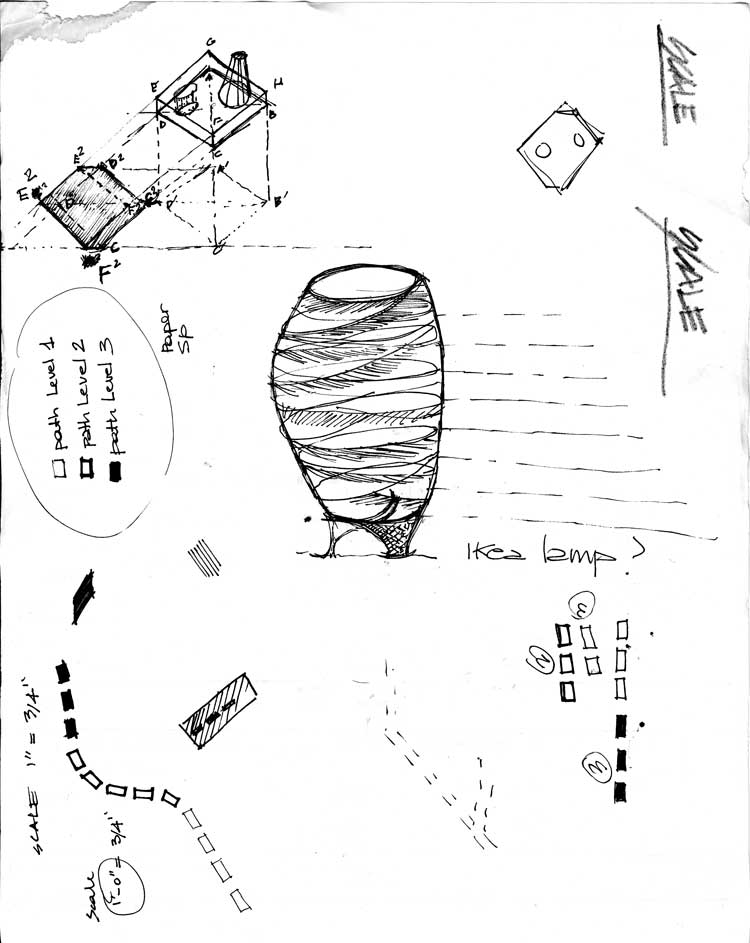
1.  Working out shadows in axonometric settings, like solving algebraic equations, helps to solve ourselves and gives us mathematical certainties (certainties that cannot be so cleanly and clearly found in real life).  I always heard math is not an opinion, and I am appreciating its impartiality, its justice even. I know now its compassion.

Still, a solution is relative to the light angle  we construct a priori, a philosophical question if there ever was one.

Shadows, like math, are either ‘wrong’ or ‘right’ relative to the established angle of light;  no room for fuzzyness, approximation, guessing. How refreshing. How pure the solution.  These (platonic) objects exists in an utopian airtight chamber or world, and the light is absolute, the light of truth.

The ‘real’ world (and ‘real’ shadows), like all matters of architecture and design and their ‘solutions’, are much more subtle, nuanced, grayscale— as opposed to black and white.
And so even truth is relative in our confounded orb.

2.  I am thinking of ways to design the freehand drawing classes to transcend drawing as transposing what we ‘see’ and help it become a design tool (depicting what may be, or possible scenarios).

It is a challenge, because the basic drawing techniques still need to be mastered, but the course could be imbued with and define a research path, becoming not only a stronger vehicle for learning, but generating material for publication. Exciting stuff, now it’s just a matter of  tightening up my interest areas and plan for action.

The Freehand Drawing and Rendering and Delineation classes will meet again next summer, and I have held some meetings to design its contents(more on this on coming posts) . Some words buzzing in my head are collages/assemblages, words, poetry, architecture, grayscale abstracts, visual notes/sketchnotes, inventories, data gathering quests, urban scavenging, pattern and in-formation.

3.   The more I grow as a passive designer- passive because I have been in an observing, absorbing mode for a while now…just storing information until the right moment comes- the more drawings i do, I am realizing that the challenges of design are not additive ones, but subtractive.

Learning what to remove, what to take away, leaving just the essential, is the challenge. Architecture is a matter of reduction, not addition.    Let me try to explain myself better. During our architectural education and pedestrian work experiences we are taught to include so many details, turn in complete drawings, complete construction documents sets etc. All of this is techniciams’ stuff. It is the drafter’s realm, or the CAD operator’s realm. It is not the Architect’s or designer’s province, which should aspire to loftier expressions. Design is abstraction of thought and ideas. It is reducing your concept to your most pure expression, cutting away all the fat and the unnecessary. Even the best art, I am finding, is painfully created by reducing your concept, feelings, ideas, to the most clear image, the prime number, the denominator. Significant work is created through ruthlessly leaving out all unnecessary data, information. Including too much is just self-indulgence; the disciplined designer pursues truth as she or he defines it and does not or cannot have time for self-indulgence. The purity of the idea is what one needs to be faithful to, everything else is interference by bureaucrats, technicians, pencil pushers.

Am I sounding like Howard Roark? WellI am in the process of defining a design philosophy and given the person that I am, this definition comes first in words , which will guide the action.  As my dear friend Lamees said, one is not to do without being first.  Be first–then do– then have…it all happens spontaneously.

Part of being an architect is accepting an elitist role, necessary not to set apart one from the rest of humanity, but to preserve the purity of the design idea, its drive and execution. Part of being an architect and an artist is learning to let go of many things once thought necessary and just rendering our work in the most pure, direct, potent way.

Finally, a quote that is driving my days, these days:


“What we think or what we know or what

we believe is, in the end, of little

consequence. 


The only consequence is what we do.”


John Ruskin


Read Full Post »

Ink on paper, trace, digital collage. August 27,2010.

Ink on trace. August 27, 2010.

The spoils of Archangel Michael (the Archangel of Justice). Ink on paper. August 27,2010


From

St Loup’s secrets & lies:

All you have to do is take these lies and make them true…

Read Full Post »

Let Me In. Graphite on paper. Image via Darrel Tank of the Five Pencil Methd

I ran into Darrel Tank’s Five Pencil Method  few weeks ago.  His work is breathtaking.

The site full of wonderful video tutorials, and in his blog, Darrel offers videos with step by step advice on submitted portraits. All I can say is I’m Jealous WOW.

I really just drew one portrait, my first — if we don’t count some self-portraits done as homework for drawing classes in college. And I don’t think we want to see that type of work here, or maybe yes, for giggles. Just so you know in one I was made-up like The Crow.  Oh yes there is also that whole other side of me

Just Go Grayscale And Call It ‘Art’

But all of this is just to shamelessly plug in this portrait that the photographer Dianna Ippolito took of yours truly last week. It will go on the Faculty wall of my school. And if a photo could ever make someone happy this is it, and I wanted to share it here, hoping you will overlook the fact that it is my photo:  it is the art of photography and catching a soul with a lens as well.

Moreover, I am losing my innocence and naivete’ as we speak, so good thing they were preserved here;)

Portrait by Dianna Ippolito

Read Full Post »

From yesterday’s Rendering and Delineation Class. So proud of my color-wary students.


Queen Califia Session

Quen Califia Session II

Queen Califia III

Read the story of the mythical Queen Califia.
California is named after her!

See Niki St. Phalle Sculptural Garden ‘ Queen Califia’s Magical Garden’ in Kit Carson Park, Escondido, California.

Previous posts on the subject:
California and Califia
Listening to Baroque Music in San Francisco
Working with Color
Queen Califia’s Magical Garden {Continued}

Share

Read Full Post »

Found in an old book:

‘  Spend time sketching everyday

the outcome is not important

the time you spend sketching

is time you spend solving yourself. ‘


I’ve been organizing my school folders, and always find that decluttering frees up the space of the mind first of all, and readies it for new projects and enterprises (cool folders and Italian stationery also helps :)).

 Speaking of stationery, I would be remiss if I didn’t share this delicious site, Galison New York.

As usual, I have been pondering about the amount of projects I have, which are invariably inversely proportionate to the time available at a given moment (activity begets activity).

 My wise mother told me ‘Don’t you know writers take a month to write  a book, but years to gestate it’?

Read Full Post »

Loose Rendering. Ink, watercolor, prismacolor pencils. August 2010.


Lately, I’ve favored the watercolor and pencil technique, but want to get back to working with markers.

I found these two great tutorials on marker renderings from my blog friend and Urban Sketcher extraordinaire Suzanne Cabrera at An [Open] Sketchbook: can’t wait to share them with my students!

{ Tutorial 1: Furniture/Fabric }

{ Tutorial 2: Interior Rendering }

As usual, the wonderful Color Drawing book by Doyle will provide a lifetime’s worth of lessons.


Share


Read Full Post »

Marker Test @ Queen Califia's Magical Garden

Initial Sketch. Felt tip on heavy bond (sketchbook) paper.

Felt Tip on Marker (Rag) Paper.

Applying Watercolor 1.

Applying Watercolor 2.

End of ession at site. 20 Minutes. Wanted to have a loose base of color.

Adding Pencils (Albrecht Durer- Made in Germany), texture, few days after.

Do you remember Niki St. Phalle’s ‘Queen Califia’s Magical Garden’?

Well, I went back with my students for some loose watercolor and pencil renderings.

Share

Read Full Post »

There are ‘doing’ days and there are ‘absorbing/thinking’ days. Today was the latter.

{ Here } is a wonderful Ted talk from the author of ‘Eat, Pray,Love’ on inspiration and its transcendence (thankyou to my friend Momen for sharing this). I must admit I was wary of the book, and of ‘jumping on the band wagon’, but through this talk I could see Elizabeth Gilbert, sans-hype: a brilliant thinker, enlighting, humorous, with not an ounce of self-importance. She reminded me of an academic, and I wonder if she ever taught: her caring and accessibility would make her a formidable teacher. I like to think, in another life, I would have met her, and we’d be fast friends.

It’s been couple of days filled with love, music, colors, soulful food, words, friendship. Eyes exposed to new sights, hands holding crafts and design objects, papers, manufactured desires. I have basked in the scent of hand-picked books, curated lives, and held manuscripts I know I will never have the time or chance to read.

May all your days be full of enchantment, wonder, and the humble realization that we are, all of us, forever perched on the edge of knowledge.  We can only gaze at this sea, be open to it- arms wide.

Trust that all that is meant for you to see, read, discover,and, yes, love will no doubt alight your path.

Read Full Post »

Lamp. Kan Zaman Restaurant, San Francisco, Haight-Ashbury. Charcoal, Graphite and Ink. August 2010.


Serendipity: a stop at Amoeba Records, to buy some CD’s. Then dinner. Drawing *the same* subject as the CD cover, which I did not stop to look at, but my brain obviously recorded. As someone said, ‘ Everything’s connected.’

Musical Journeys:

Click to Andalucia

Click to teleport

Bought from Amoeba Records. Freshly imported for your pleasure.


Share

Read Full Post »

A rare Renée Magritte. La Poitrine. 1961

Renée Magritte. Irene.

Renée Magritte. Le tombeur des lutteurs. 1960

Renee Magritte. Eulogy of the Dialectic.

Renée Magritte. Personal Values. 1952

In my search, I stumbled upon Myriam Mahiques, who shares some thoughts on Magritte, and Immateriality in Painting and Architecture.

Instances of Surrealist Architecture and Urban Design:

Click on the images for more details and to see source.

"39GeorgeV" is an urban surrealism manifesto. It sheltered the renovation of an Hausmannian building in Paris, during year 2007. It's a life-size photographic work based on the original building, printed on canvas, enhanced with bas-relief.

The Manifesto of the 39GeorgeV project.

Royal Museums of Fine Arts of Belgium, Brussels. Installation of the new Magritte Museum 2008/09

From the exhibition:Painting the Glass House: Artists Revisit Modern Architecture.The Aldrich Contemporary Art Museum,Ridgefield, CT.

After some meetings today I stopped by the library, Futo coffee in hand, and indulged in my favorite Architecture periodicals: Domus, Architectural Review and Harvard Design Magazine. An article on Surrealist Houses launched an expansive search on the Architecture of René Magritte; will share some of the findings here.

I've had Magritte (and collages) on my mind. Digital Manipulation on a photograph by Vijay Raghavendiran.

I am also thinking about watercolor these days: in both Freehand Drawing and Rendering and Delineation classes we are working with loose techniques. Here are some images that stopped me in my track during my quest.

Winter in Florence-La Pioggia- Watercolor and Ink. Professor George S. Loli, Dept. of Architecture, University of Louisiana-Lafayette.

Starry Night over the Rhone. Vincent Van Gogh. 1888.

Share

Read Full Post »

A beginning of something. Acrylic and marker on canvas. July 2010


Here are some quotes that are inspiring me these days:

“And now here is my secret, a very simple secret; it is only with the heart that one can see rightly, what is essential is invisible to the eye.”

Antoine de Saint-Exupery, Le Petit Prince

From Becoming Minimalist { thankyou Andy}

“What we think or what we know or what we believe is, in the end, of little consequence.  The only consequence is what we do.”

John Ruskin

So Powerful. I believe in ‘As a (w)oman thinketh so is (s)he’, and in the power of intention, but sometimes us thinking types need a call to be spurred into action. This is it.  { thankyou  Student}


“Your treasure house is within; it contains all you’ll ever need”

Hui Hai, Ancient Chinese Sage

From Zen Seing, Zen Drawing { thankyou Frederick Franck}


Ps. I added something new to my previous Chairs post.

Share

Read Full Post »

Something eye-opening occurred at my school yesterday.

I attended the exhibit for SoCal -Ex : Exploratory Design Workshop, completed by Professor Hector Perez and his students.

Here are the specific of the Workshop:

6 Explorers

Andrea Benavides/Alfredo Melly/Henry Palomino/Charles Santamaria/Nancy Tariga

25 Days

July 12-August 5

10 Field Trips

San Diego/La Jolla/Del Mar/San Juan Capistrano/Los Angeles/Santa Monica/Culver City/Venice/Pasadena/Palm Springs

9 Progressive Practices

Daly Genik Architects/Eric Owen Moss/Estudio Teddy Cruz/Gehry Technologies/Luce Et Studio/Michael Maltzan Architecture/Morphosis/Sebastian Mariscal Studio/Smith and Others

15 Extraordinary Residences

Charles and Ray Eames/Craig Ellwood/Christine & Russell Forester/Albert Frey/Frank Gehry/Greene and Greene/Coop Himmelblau/Alberto Kalach/Ed Killingsworth/Sebastian Mariscal/Kathy McCormick & Ted Smith/Richard NeutraRudolph Schindler/Don Wexler

I spoke with Professor Perez and he told me that the analysis of the case study residences and projects were concentrated on the ‘crown’, ‘body’ and ‘feet’ of the aedifices.

Through collages, reminiscent of Superstudio and Archigram, the field trips become a venue for envisioning alternative architectural and urban scenarios (Design Workshops). I hope you’ll enjoy these images just as much as I did; each collage read like a miniature work of art, and the juxtaposition of architectural drawings and bold hand-drawn colors created fantastic, detailed, abstract constructs.  What a wonderful way to illustrate architectural drawings, and bring to life photographs.  The collages, done by hand, using cutouts, colored pencils and paint had a physical presence, a texture that a purely digital (photoshopped) images invariably lack.

I am inspired to create some more collages of my own and…can’t wait for the book 😉

This slideshow requires JavaScript.

Click on an image to enlarge.

Share

Read Full Post »

Freehand Drawing- In Class exercise. After rendering with Espresso, we use the leftover coffee to draw chair combinations, or rather, the void around the chairs, in a figure-ground setting.

Another exercise with  ‘Drawing on the Righ Side of the Brain’.  By drawing the space, not the chair, the proportions were incredibly accurate in all drawings.  The drawings can be read as Nolli Maps of imaginary cities, we can see piazzas, palazzi…we can see perspective, spatial configurations/plans, abstract paintings… I love the ambivalent water medium, the subtle, duplicitous, always multilayered  sepia tone.

From 'Drawing on the Right Side of the Brain' by Betty Edwards

From Page 54:

Look at the drawings on the right-hand side of Figure 4-11. Studens 1 and 2 copied Picasso’s drawing right side up. As you can see, their drawings did not improve, and they use the same stereotypic, symbolic forms in their copies of the Picasso Stravinsky as they used in their Draw-a-Person drawings. In the drawings done by Student 2, you can see the confusion caused by the foreshortened chair and Stravinsky crossed legs.

In contrast, the second two students, starting out at about the same level of skill, copied the Picasso upside down, just as you did. The Student 3 and the Student 4 drawings show the results. Surprisingly, the drawings done upside down reflect much greater accuracy of perception and appear to be much more skillfully drawn.

How can we explain this?

The results run counter to common sense. You simply would not expect that a figure observed and drawn upside down could possibly be easier to draw, with superior results, than one viewed and drawn in the normal right-side-up way. The lines, after all, are the same lines. Turning the Picasso drawing upside down doesn’t in any way rearrange the lines or make them easier to draw.  And the students did not suddenly acquire “talent”.


Share

Read Full Post »

Il Sole (The Sun). Clay, Markers and pen. Milano, April 12, 1981, 5 yrs. old

Il Sole (back). God bless my mom for putting dates on *everything*.


The Sun

By Mary Oliver


and into the clouds or the hills,
or the rumpled sea,
and is gone–
and how it slides again

out of the blackness,
every morning,
on the other side of the world,
like a red flower

streaming upward on its heavenly oils,
say, on a morning in early summer,
at its perfect imperial distance–
and have you ever felt for anything
such wild love–
do you think there is anywhere, in any language,
a word billowing enough
for the pleasure

that fills you,
as the sun
reaches out,
as it warms you

as you stand there,
empty-handed–
or have you too
turned from this world–

or have you too
gone crazy
for power,
for things?


Read Full Post »

Pilot Pen V5 (aka Pilot Precise Extra Fine) on office pad. August 3, 2010.

Drawn with Pilot Pen V5 (aka Pilot Precise Extra Fine) on office pad. August 3, 2010.


The Man with Many Pens

by Jonathan Wells


With one he wrote a number so beautiful

it lasted forever in the legends of numbers. With another


he described the martyrs’ feet as they marched

past the weeping stones and cypresses, watched


by their fathers. He used one as a silver wand to lift

a trout from its spawning bed to more fruitful waters


and set it back down, its mouth facing upstream.

He wrote Time has no other river but this one in us,


no other use but this turn in us from mountain lakes

of late desires to confusions passed through


with every gate open. Let’s not say he didn’t take us

with him in the long current of his letters, his calligraphy


and craft, moving from port to port, his hand stopping

near his heart, the hand that smudged and graced the page,


asking, asking, his fingers a beggar’s lucent black,

for the word that gave each of us away.


More poetry from the New Yorker


I confess: I am weak for love pens and other writing instruments.

I have had a fascination with pens (and office supplies) since I was 4, when I would help organize my mother’s supply center at work.  I was very scrupolous 🙂  In college, buying pens at the Varsity Store on Campus, or better yet, at Mathison’s,  was therapy.  Above you see my sine qua non pen.

And, one more thing  for today: my blogsister Ghadah at PrettyGreenBullet gets an A.

Ghadah Alkandari. Isograph and Marker. Hand Exercise from 'Drawing on the Right Side of the Brain' (Aug.2,2010)

Share

Read Full Post »

I hope everyone’s having a fabulous beginning of August.
I am really trying.

How are you doing, fabulous?

I plan to go to some movie under the stars, or at the park, or on a roof, like Cinema Paradiso. A good black and white movie, preferably a noir Hitchcock, would be the cat’s meow.

I am officially suffering from wanderlust.  If I could be in five places at once I would be home in Calabria (Southern Italy), in Cuba, Ibiza and Greece and of course right where I am, having a Summer of Art with my students. They really need to get this teleportation thing going, so I could just zip away for the weekend, or we could just do three days of plein air sketching in Florence!

Le Corbusier said that we need to see with new eyes. How true; in Architecture, drawing, and, most of all, in life.  Looking is not seeing. SO part of the renewal  is to give your eyes something different to contemplate (i.e. do something new!).  I pledge to pick up my local weekly and get out of my comfort zone (even my beloved neighborhood! I know, hard to believe). Yesterday, to start the month right, I trekked couple of hours to the beach (with my sketchbook, of course!)

Pacific Beach. August1,2010. Ink on paper.

To develop new eyes, and to stretch different parts of the brain, we have been working in class from “Drawing on The Right Side of the Brain.” One of its famous exercises  is to draw an object without looking at the paper, preferably without lifting your pen or pencil. I tried it out with my hand.

The fingerprint/pattern was inspired by a) this fascinating article on The NewYorker on fingerprints, art and forensic science and b) paying attention to things we don’t even see anymore, or take for granted. Here is our uniqueness. We are all snowflakes, and just as fragile.

Felt Tip on paper. August 2, 2010.

Draw your hand without looking at the paper, take a photo and send it to me (sketchbloom at gmail dot com) or linkback.

I am curious.

Share


Read Full Post »

Happy August!

Ever the optimist, here is the first post of the month. I’m giving a shot at posting daily (again), we’ll see how it goes.

Here is the happy Nablopomo August Badge. The theme of this month is ‘Green’.  For me, it will mean renewal more than sustainability (a sort of spa for the mind), but I might find some interesting green homes to feature. Of course green is the color of envy, but we shan’t talk about that 😉 Here are couple of badges for good measure.

So as promised, here is my surprising discovery in the environs of Newport Beach (Costa Mesa): The LAB Anti-Mall.

I loved it! Local public art, local businesses and public spaces.

The Gipsy Den, which I covered in a previous post (it’s updated with photos now, yay), lies therein.

Enjoy, and I hope you get the chance to visit.
By the way thank you for all the views (dear readers :)), I am striving to post more often and it’s great to know this thing I do is being followed and shared.

This slideshow requires JavaScript.

Read Full Post »

"How fine you look when dressed in rage. Your enemies are fortunate your condition is not permanent. You're lucky, too. Red eyes suit so few. " Cheshire Cat 2.1. Ink on tracing paper. June 30, 2010

From Disney’s Alice in Wonderland (1951).

Cheshire Cat: Oh, by the way, if you’d really like to know, he went that way. 

Alice: Who did? 

Cheshire Cat: The White  Rabbit. 

Alice: He did?

Cheshire Cat: He did what? 

Alice: Went that way. 

 Cheshire Cat: Who did? 

 Alice: The White Rabbit. 

 Cheshire Cat: What rabbit? 

 Alice: But didn’t you just say – I mean – Oh, dear. 

Cheshire Cat: Can you stand on your head? 

 Alice: Oh! 


It must be Halloween in July (seriously, wasn’t it Christmas?).   

I have material for three new posts and some serious  retroactive editing to do; have been drawing, reading short fiction, poetry, and fascinating stories about forensic art curating- all of which I will share with related art.  But let me start with saying that at times intense reading  (input) for the ambitious –or obsession-prone– designer/visual artist can be considered a passive-aggressive behavior, when so much needs to be in output mode, expressed, exorcised. Indeed, Julia Cameron in her Artist’s Way asks us to refrain from reading for one week, as we need to temporarily pause others’ voices and opinions to recognize  and strengthen our own.   

Lately my work, alas,  has been hindered: I had to hunt (and was haunted[1] by) a ghost with sixty-four  teeth. The wheels of karma turned and I , who once called someone-undeservedly- a ghost, have had to suffer one.     

Hello,  setbacks.    

So for today’s art, folks, this page is my canvas and my collage. This is where the work is done.  

Let me tell you about the Cheshire cat. He appears to di-sappear only to re-appear!    

All this to say (and yes, Art is process, it is a filter, it exorcises…it is a strainer, a sieve.  She is a savior):   

Ink on Paper and digital collage. June 29, 2010

I have been walking under a black cloud for three months   

Holding my breath   

Only it was not a cloud   

-though it hung like a pale, hungry moon-   

It was the Cheshire smile of a ghost   

Useless, hideous ghost that would not go away   

Spoke maddening riddles, multiplied hydra-like,   

Says I…. I….I….   


That single grin is fading again   

Waning   

And I, tethered, am starting to exhale.   


Thank you. How about how good it feels to finally forget forgive you.


 [1] Definitions from  The Free Dictionary:  

haunt // (hônt, hnt)   

v. haunt·ed, haunt·ing, haunts   

v.tr. 1. To inhabit, visit, or appear to in the form of a ghost or other supernatural being.   

2. To visit often; frequent: haunted the movie theaters.3. To come to the mind of continually; obsess: a riddle that haunted me all morning.4. To be continually present in; pervade: the melancholy that haunts the composer’s music.   

v.intr. To recur or visit often, especially as a ghost.   

haunt   

vb 1. (Myth & Legend / European Myth & Legend) to visit (a person or place) in the form of a ghost   

2. (tr) to intrude upon or recur to (the memory, thoughts, etc.) he was haunted by the fear of insanity3. to visit (a place) frequently4. to associate with (someone) frequently   

n 1. (often plural) a place visited frequently an old haunt of hers.   


Read Full Post »
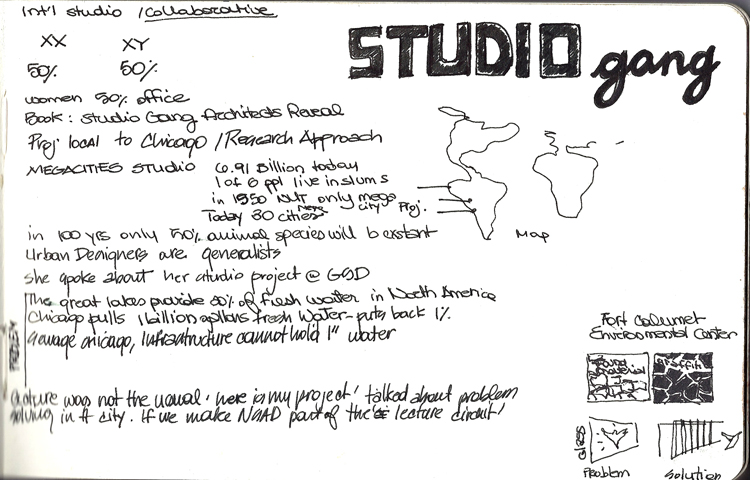
Yosemite. Charcoal on paper. July 2010 (date is in Italian)

Hello Hello!

Two weeks zipped by since my last  from San Francisco and I have been reveling in summer outdoor activities, traveling,  and getting ready for the new summer quarter.  California blooms in this season, and the living is easy.

Days with art-dates, writing, and regularly producing and  posting new work, though, always make me feel on purpose and less as if I am swimming in that Great-Gasbyesque ennui and stasis that permeates Southern California. Manana Syndrome.

In that famous ‘graduation speech’, not Kurt Vonnegut, but Mary Schmich wrote:

” Live in California once, but leave before it makes you soft”

The more I live here, the more I find myself contemplating the gravity of this advice, its sweet cruelty. It is easy to lose oneself in perfection. We must continue to fight those windmills, rage against the dying of the light…

I have kept my eyes and mind open and have been compiling my findings and urban adventures…in other words…I am back.  But I don’t think I will be up for trying the one-post-a-day Nablopomo contest just yet, it is the sea-beach-sun-plenair-art  season after all…

This summer is all about Drawing, as I am teaching Freehand Drawing and Rendering and Delineation, along with the Summer Architecture Studio, which this year is dedicated to Visual Communication. Let the shading begin.

During the break I was fortunate enough to steal few days in Yosemite, and I wanted to share what I saw. I sneaked in a charcoal sketch [above] and few shots -but next time I intend to bring easel and watercolor and devote more time to drawing and painting. The novelty of being in a tent, hiking and roughing it (I tend to enjoy the great indoors) was delightful but left little energy and time for art. That said, the hike to May Lake and the sights I saw (a field filled with butterflies, tall grass dancing gently in the wind ) will forever sing of a time and of innocence  not lost as long as Yosemite is there.

Here is the first batch of photos I processed. Check back soon.

This slideshow requires JavaScript.

Not to make excuses, but I have also been held captive by a delicious seventies’ paperback,  which involved an architect and a cursed house ( I know, architecture seems to follow everywhere I go).  This was a perfect summer read, extremely well written, and an un-put-downable book. I highly recommend it. It goes well with another mystery novel featuring an architect, Death By Design.

A Real Chill! The House Next Door, 1974

For all the architecture aficionados and aspiring literati, though, the sublime Fountainhead is a prerequisite, as the Architect’s story par excellence and the foundation of all literary and social myth about what an architect is, does, and thinks.  Is it still mandatory reading for all architecture students? I hope so.

Curling up with ‘The House Next Door’ brought back the pure joy of reading, and had a calming effect. I vowed to read more this summer and spend less time on the computer. Unfortunately, during  the three days it took me to finish ‘The House Next Door’, the deadline for  an (online) contest I meant to participate eluded me by few hours. [More of that later]. But isn’t what a good book is supposed to do, steal you away from the world? No regrets, then.

There is always next summer.

Read Full Post »


Reading Gemini. Half-Price Bookstore, Berkeley, California. Photography, June 28, 2010.

 All the following images have been taken at City Lights Booktore in North Beach (Little Italy) , San Francisco, on June 29, 2010. I dedicate this post to my dear English and Literature Professor at NDSU, Steve Ward. Long live The Beats.

McClure, Bob Dylan and Allen Ginsburg at the last Beats gathering, 1965.Outside City Lights Bookstore, North Beach, San Francisco.

Read Full Post »

Playing the Muse by Bruce Matthes

Perhaps if we all had, every day, time for art and for poetry, just a daily dose, perhaps our lives would feel a little less hurried, a little less hectic, and time would slow down for that cup of tea in front of a vintage art book. Perhaps we could squeeze more out of our day by letting the mind lull a bit, recharge, empty itself so that we could squeeze more info, memories, ideas. How do we download the weight of each day, how do we discharge- our mind like a sieve- retaining only lessons that could benefit us, letting go of the inconsequential? Perhaps with few moments under the sun, or with nature, few breaths and a prayer.

Today I was listening to NPR and I heard a man say that it is the job of  human beings to learn to let go of large quantities, and hold on to the precious little.

Antonio Machado’s poetry, according to Antelitteram, evolved to acquire with time the personal aspects of reevaluation of time, nature and feelings, until it reachead a poetry influenced by a profound interest in philosophy.

Bruce Matthes, a fellow artist and humanist , told me over coffee (what else?)  about his illustrations of Antonio Machado’s poetry.  I was immediately piqued, having completed a similar project- which I hope to share here soon. Bruce was kind enough to let me showcase his beautiful, lyrical work.

Click on each image to enlarge and read the poetry.

This slideshow requires JavaScript.

Read Full Post »

Child's Pose | Thank you

Yoga is moving meditation. Feel your body melt on the ground. Feel your muscles, your bones dissolving into the ground. Be thankful for this time. The gratitude you feel spreads from your heart to your entire being, and radiates towards everyone around you.

Mercedes, Yoga instructor and, apparently, Rockstar in a band- I attended her class for the first time today.

I went to yoga today to plug out: I have been spending too many hours tethered to my computer and needed a retreat. The gym worked for that today, but I am hoping to spend some times, soon, away from technology in places like Yosemite, Sequoia National Park and, perhaps, Napa Valley. It is apparent that I failed at the NaBloPoMo self-challenge, missed too many days -like this weekend- and yet realize that blogging everyday is not my style, and have come to accept the fact that pauses result in epiphanies which can push inspiration forward. Nevertheless I do like to post aoften to show up to my day, art, intellect, just as I would like to make a habit of yoga to practice the mindfulness of the body.  The solitude after yoga practice  makes me realize many things, for example how infinitely precious moments with loved ones are, moments we take for granted. As I walked home tonight, looking at the night sky  I thought about Pablo Neruda, and his lines :

And I, infinitesimal being,
drunk with the great starry void,
likeness, image of mystery,
I felt myself a pure part of the abyss.
I wheeled with the stars;
my heart broke loose on the open sky.

From ‘Poetry’

How the sky would be with no stars, because that is how life is without the love of the people we care about….

So i frightened myself, and I can hear my friend Lamees that ‘frightening’ ourselves is good, for it wakes us up.  Awake means aware.  I resolve every day, like most of us, I’m sure,  to be a better person, yet fail and sometimes lose myself in petty feelings. A friend of mine told me that he heard from a wise, humble man to ‘just do one thing better today than you did yesterday’. So today I went to Yoga,  my way to tune in, because I am not there yet as far as daily meditation. Tuning in means more sun, but, sometimes, more rain.

I chanced upon a quote I like very much (I am kind of ashamed to say where I got it)

“And those who were seen dancing were thought to be insane by those who could not hear the music.”

I hear the music, do you?

Read Full Post »

My client gave me this card and asked me to create a composition based on the flower/butterfly graphics.

I first mixed in the colors for the purple background my client wanted, then drew the graphic motifs with black grease pencil, went over with white pastels, only to realize that the black was not going to be easily cleaned at the end.              So I had to wash away all the black lines, and lost most of the white drawing.  I used the second drawing as a basis for the painting.

This slideshow requires JavaScript.

Floral Composition with Butterflies (3'x 3'). Acrylic on Canvas. June 12, 2010.

Read Full Post »

Explaining (imperfectly) the joy of sketching/vignette and perspective making to a student. Graphite on paper June 11, 2010

Drawing is thinking. Hand-eye coordination is essential not only to accurately render what you see, but to bring forth and execute what you see in your mind’s eye, i.e designing. I read once that we should use the word ‘draw’ as in ‘drawing information’, as from a well. To draw a building  or space is to understand it, to make it our own –to impress it on our brain’s matrix.  Photography, while wonderful and an art form in itself, leaves the lessons of buildings on the camera’s hard drive, not on ours.

Not to mention the warmth and ‘tactability’ , as my friend Luisa says, of a sketch or a vignette, the volumes it adds to a presentation, the process it unveils. Revit has the capability to render photorealistic imagery, with incredible texture and lighting. But it is in the process that a project is appreciated in all its nuances, that poetry can happen, that the design and the architect eye, mind and hand can be sipped, like fine, expensive wine. Without process architecture becomes a shot of cheap wiskey, vulgar.  Design, like diamonds, has no mercy… “They will show up the wearer if they can,” says one character in The Sandcastle, an early novel by the famous British author, Iris Murdoch. (I borrowed this bit on diamonds here).

Drawing is analysis. It is a deliberate act of  interpretation, and abstraction (as in capturing the essential).  In the book ‘Compositions in Architecture’, Dan Hanlon says:

‘I have found that since the act of drawing requires a high degree of graphic editing, each drawing emphasizes a particular quality of composition. Therefore, the information in each drawing is highly selective. This is what I mean by a work of interpretation.’

A drawing can be tuned to reveal and emphasize certain characteristics, and not others. It is a process of selection, of sharpening the way our brain takes notes of details. It is never alienating, never mindless, never automatic (unless as automatic art/ flow of consciousness), never repetitive, never listless as drawing on a computer can be.

In the introduction of book Non-places: Introduction to an anthropology of supermodernity, Marc Augé mentions the many devices that, by keeping us ‘connected’ at all times, alienate and separate us from the place we physically occupy. Drawing keeps us grounded (in the here and now?), and is an exercise in fully experiencing our surroundings, of mindfulness.

And after the alarming The Shallows: This is Your Brain Online , on the ability to train our brain (and affect its physical make-up) by our daily habits, anything that can help with the collective scattered focus we are ‘learning’ from too much technology should be a worthwhile endeavor.

So yes, the Zen of Drawing, or drawing as meditation (architectural therapy not just art?). Like yoga, unplugging and plugging in at the same time. By drawing we fully inhabit this place, this body, as architect and artists.

My blogfriend Suzanne Cabrera at [An] Open Sketchbook turned me onto Michael Nobbs, a Blogger/Artist into time management,who advocates drawing everyday. Here is his free, fun and inspiring e-book.
I already started drawing loved objects before I ‘release’ them.

Here are the books mentioned:

And here, the first part on the importance of drawing.

Share

Read Full Post »

These are drawings and photos of actual ships of the US Navy during WWI. To mislead German U-Boats (who shot torpedos in the direction the ship was thought to be going to), the Fleet Admiral used British Artist Norman Wilkinson’s Dazzle Camouflage or Razzle Dazzle. The war ship become huge canvases for abstract art. I love it. I found the original post here, where you can find more info and photos. All images via TwistedSifter.

Read Full Post »

Mango. Watercolor. June 6, 2010.

Read Full Post »

Apart. Photograph, Lumix Panasonic Camera. June 4, 2010

Soundtrack of  ‘Apart’

The center cannot hold. Photograph, Panasonic Lumix camera. June 4, 2010.

Soundtrack of  ‘The Center cannot hold’

Spooning (one. is broken). Photograph, Panasonic Lumix camera. June 4, 2010

Soundtrack of ‘Spooning (one. is broken)’

Gordon Matta Clark (son of an artist, trained as an architect in Cornell) Splitting 32, 1975 Five gelatin silver prints, cut and collaged 40 3/4 x 30 3/4 (103.5 x 78.1) framed Collection of Jane Crawford and Bob Fiore Courtesy the Estate of Gordon Matta-Clark and David Zwirner, New York

Gordon Matta-Clark Conical Intersect (detail) 1975 27-29, rue Beaubourg, Paris courtesy of David Zwirner, NY and the Estate of Gordon Matta-Clark

More on Gordon Matta-Clark

Read Full Post »

Berkeley Woods. Photograph HDC HD2 5 Megapixel Camera. June 5, 2010

Berkeley Woods. Photograph HDC HD2 5 Megapixel Camera. June 5, 2010.

Berkeley Woods. Photograph HDC HD2 5 Megapixel Camera. June 5, 2010

Waterfall - Berkeley Woods. Photograph HDC HD2 5 Megapixel Camera. June 5, 2010

The Road Not Taken

Two roads diverged in a yellow wood,
And sorry I could not travel both
And be one traveler, long I stood
And looked down one as far as I could
To where it bent in the undergrowth;

Then took the other, as just as fair,
And having perhaps the better claim
Because it was grassy and wanted wear,
Though as for that the passing there
Had worn them really about the same,

And both that morning equally lay
In leaves no step had trodden black.
Oh, I marked the first for another day!
Yet knowing how way leads on to way
I doubted if I should ever come back.

I shall be telling this with a sigh
Somewhere ages and ages hence:
Two roads diverged in a wood, and I,
I took the one less traveled by,
And that has made all the difference.

Robert Frost

This slideshow requires JavaScript.

Read Full Post »

Watercolor on paper. June 3, 2010

The original family.


NaBloPoMo writing prompt of today:

Define ‘freedom’.

Traveling.

Read Full Post »

Happy June!

I hope the long weekend was restful and re-newing for all. I was fortunate enough to enjoy the beautiful weather in San Diego, and explore the Torrey Pines coast and beaches, and hike a cliff (!) For someone like me , a city creature, who believes in the great indoors, this is no small feat. I love seeing the water, just wish I had a Vespa to do this more often.

Torrey Piney Cliff. La Jolla. Photograph, digital manipulation. June 31, 2020

Today I got some good, official news from my University, NewSchool of Architecture and Design: I have been appointed full-time lecturer. I am incredibly excited to continue teaching on a more permanent basis, and to progress in my academic career, to continue sharing and learning with my students. This summer I am slated to teach First Year Studio, a combination of advanced architectural drawing and visual communication techniques, along with Rendering and Delineation and [roll of drums] Freehand Drawing. Needless to say, incredible opportunities to continue drawing, rendering, watercolor and coffee paintings…all of which I will share here.  As some of you may know, there is still some paperwork to go through in regards to my visa, the support of everyone at my school has been incredible, but , like every good movie, there is suspense at the end. Keep sending good energy.

I want to start June with NaBloPoMo, which is short for ‘National Blog Posting Month’. This is a fabolous site for bloggers, with lots of resources and networking opportunities; it is also associated with BlogHer.  The official National Blog Posting Month  is November (and prizes are given!), but every month members can be part of mini-nablopomo…which means I will do my best to post art and writings every day this month.

This month’s theme is ‘NOW’…a great reminder to ‘take life in one day packages’ as I recently read in a quote.

NaBloPoMo also offers interesting writing prompts for this month, Monday to Friday. Today’s prompt is:

When you were little, what did you want to be when you grew up?

Well, it may not surprise you that I used to gather my friends in the cortile of my house in Milano, a small band of four and five year-olds and set up storytelling classes…I was the ‘teacher’ of course:). I remember planning for each class and thinking of what story I would create for my ‘students’. We only met like four times (it is hard to keep a schedule when you are five and there are so many games and toys to play with).  I distinctly remember looking at books in elementary school and wanting to be a ‘researcher of legends’.

PS: This is my 100th post, a year and three months after I first started SketchBloom, and exactly seven months after its official launch. Here’s to many more!

Read Full Post »

This is the first of what hopes to be a series of posts featuring inspiring work of artist friends and friendly artists I meet online. I would love for SketchBloom to be that magical place a recent reader mentioned, a place for art, poetry and Beauty- found and created. This aims to be refuge from the nonsense and pettiness of the world ( yes, of course my nonsense and pettiness too…), a celebratory lens that focuses on the visual bounty all around us, the aesthetic choice: to, yes, stop and admire, even smell those white roses and jasmine…remember how it used to be…look  not just see the jacaranda trees….small moments of mindfulness.

Tonight I would like to share the work of Maha Bazzari Comianos, a designer, photographer and painter currently residing in San Diego, with a background that encompasses Northern California, Palestine and Saudi Arabia.  I only shared a coffee with this effervescent woman, fully engaged with life as only talented people can, and can tell you: here is a beautiful person, a soul fully alive.

Maha’s art, in her words:  visual creativity and self expression – synthesizing painting, photography and design to express and cultivate emotion – thriving to intrigue your inner self.

Here are just a few of my favorite pieces of hers.

She has an extensive collection of works online, you can find Studio MAHA on Facebook and on JPG Magazine. Enjoy.

Image via Studio MAHA. 2010

Ladder. Painting via Studio MAHA. 2010

Image via Studio MAHA. 2010

Image via Studio MAHA. 2010

Maha Bazzari Comianos. Image via Studio MAHA. 2010

This slideshow requires JavaScript.

All images in this  post under copyright by Studio MAHA and are published with permission of the artist.


Share

Read Full Post »

Spiral Shadows. San Diego. May 2010. Panasonic Lumix Camera

Spiral Shadows. San Diego. May 2010. Panasonic Lumix Camera

Read Full Post »

Lily Pond. Balboa Park, San Diego. May 2010. Panasonic Lumix Camera.

Two Lilies. Balboa Park, San Diego. May 2010. Panasonic Lumix Camera.

The real voyage of discovery consists not in seeking new landscapes,

but in having new eyes.”

Marcel Proust


Read Full Post »

Graphite on paper. May 2010


Here is a flower for you from my new
phone.
I usually would not mention such details, except for the fact that I will be able to post from the road now and the 5 megapix camera is spectacular. You can say that I am happy today.

Bankers' Hill, San Diego. Photograph from HTC Hd2 Phone. May 20, 2010

There are huge, full-bodied roses around the corner, yellow in yesterday’s  moonlight.Their scent was a a promise of a life untroubled, full of beauty, and grace.   I wanted to show them to you, but today they were gone. And the finality of life hit me.

Read Full Post »

Jealousy Ouverture I. Digital Manipulation. May 2010

Jealousy Ouverture II. Digital Manipulation. May 2010.

Entwined. Digital Manipulation. May 2010.

Jealousy as an Object. Digital Manipulation. May 2010.


Read Full Post »

Diagrams from Graphic Thinking for Architects and Designers by Paul Laseau


The image above aptly illustrates the process behind diagramming, which is one of summarizing and and rendering a concept more abstract, more immediately communicable. Abstract in this sense is intended as ‘ reduced to the essential’.  Diagrams are, according to Joe Nicholson:

1. a simple drawing showing the basic shape, lay-out, or workings of something

2. a chart or graph that illustrates something such as a statistical trend

3. a line drawing that presents mathematical information

A leap of faith here, and some poetic license, can bring you from the diagrams above to these sketches, inspired by yoga poses.

The link? The day after my landscape /yoga explorations, Joe showed the above slide on a presentation. Serendipity.

Ink on Paper, digital manipulation. May 2010

At-one-ness. Ink on paper, digital manipulation. May 2010


Using CAD as human landscape generator. May 18, 2010


Share

Read Full Post »

Ink on paper. May 2010.

Coffee is my aeroplane (The Mondays). Ink on paper. May 2010


I too am having one of those days weeks.  Monday with Les Misérables. Something about the number 17, a confounded number that brings misfortune and mishaps in Italian lore.

Coffee is one of those rituals that encourages pondering, aids concentration–perhaps even mindfulness– and never fails, at least for this aficionada, to lift the spirit.  

Sometimes, some days, a trusty coffee travel mug may just be your aeroplane.


Read Full Post »

(Follow the) Butterfly, Bone, Koa, String(s). Ink on trace paper. May 2010

Koa and Bone. Graphite and Watercolor. May 16, 2010


Some of you may remember my koa and bone set; here it is in ink and watercolor. The ink version is the one that surprised me the most: I noticed that by scanning the back of the drawing, the bracelet/string become more realistic, acquire thickness. The translucent properties of the trace paper and the shadows/distance/spaces created in the crevices lend this effect…something to keep in mind for the future.


We wander at night and are consumed by fire

I have been thinking and reading about Situationism:  there was once a time in which we were all Situationists.  I remember, as a teenager, roaming in the deserted streets of my neighborhood, on the ‘marina’ side of a small Calabria town. The whole neighborhood was a seasonal development and, in winter, my family (comprised of my mom, dad, and yours truly) was the only one living by the sea. Sometimes I would take off with my moped, the latest Stephen King tome and explore the abandoned villas, hide in construction sites, or walk over dried river beds– before exams, I would memorize historical dates while jumping from summer cabin to summer cabin, in the spring, when the grey beach and the deep sea were laying dormant, awaiting the summer sun, awaiting the brilliant cobalt colors and the golden heat…like they are probably doing now.
The Situationists would be proud of this roaming, untouched as it were by what they called ‘the consumer experience’.
Today I was an urban bedouin again, gathered in my scarves, on my pilgrimage (when you travel by bus it does feel like a pilgrimage, especially on Sundays) to the sea. Only grey waters reflecting grey skies today, but the sound was what I sought: this is my church and this is where I worship.


Read Full Post »

The Tarot Players, Fresco by Unknown Early 15th Century Master, Milano, Casa Borromeo


I finished the audiobook for Dan Brown’s ‘The Lost Symbol’ (good yarn, interesting theories-some heard before- anticlimactic ending) and painted for a couple of hours.  Since I am specialized in becoming engrossed in whatever is not on my to-do list (one of my dear,wise  students told me that ‘It’s not so much that one works well under pressure: it’s that under pressure, one works) I picked up one of my history/travel books on my city, Milano, and found this treasure, which is a fresco in the ground floor of Casa Borromeo- most of the house was lost in the 1943 bombings.  This work captivated me, perhaps because of the gossamer, otherworldly manner in wich the tarot players are depicted, perhaps because this work is now more than 500 years old yet it has a very contemporary dynamic in the parts left ‘bare’ and reminds me, for example, of Ghadah’s girls (especially in the rendition below)

As for music,this has been the soundtrack of today (Flume especially…and the whole acoustic Transmissions Series archive is candy to the soul…thankyou Suzie…).

A friend of mine also shared some wonderful poetry from the spanish poet Antonio Machado.


Dreams

To know yourself – is to remember

the miry canvases of past dreams

and to walk with open ears

on this sad day.

For the greatest gift of memory

is the bringing back of dreams.


Antonio Machado

Poem via Bruce Matthes

Read Full Post »

“I have a strong will to love you for eternity.” Milan Kundera. Earth Henna, Eucalyptus Oil. May 2, 2010.

Read Full Post »

Words are Swords. May 9 2010. Ink on paper.


It is said that the tragedy of Hamlet is consumed between
‘words’ and ‘swords’. Words, words, words murmur the duelling characters…

Some may say words are swords, of the most insidious kind, and that that which is uttered – or written- has a potential for far more damage than a weapon meant to plunge in an enemy’s body. In Italian there is a saying, its origins in the Gospel, ‘ Chi di spada ferisce, di spada perisce’ [Qui gladio ferit gladio perit] . In English it is translated as ‘He who lives by the sword, perishes by the sword’.  As for those who live by the words, we also (must) suffer by words.

As a writer, a wordsmith, a poet – and more importantly, as a sentient human being – I have pondered today the reach of words, their lasting impact as means of communication in the analog and digital age.

Wounds are healed yet words remain. It is a theme that I will continue to explore, as more images are conjured up on the topic as I am posting this.

Thoughts in the alley:
Can you stop a bud from blossoming?
No.
You can only marvel at its perseverance.
You can choose to admire its beauty,
while contemplating the poignancy of its helplessness.


Word Machine. May 9,2010. Ink on paper.

WordBombs. May 9, 2010. Ink on paper.

The scene of the crime. May 9, 2010. Ink on paper.

Read Full Post »

The meaning of art. Graphite on paper. May 2010


Today I found Emerson, Rainer Maria Rilke and Whitman of  O Captain! My Captain! hanging out by a student’s desk. (what color is poetry?)  Hemingway was smoking a pipe on the corner, looking at William Carlos Williams. Yeats and Frost were conversing on the road not taken, and Sandburg was thinking about stopping by the City Lights bookstore, North Beach, San Francisco.

Just yesterday I was thinking that my desire to teach can all be traced back to seeing ‘Dead Poets Society’ at 16, English class, Mister Hanneman’s. That was Breckenridge, Minnesota.

I wish I could watch that movie with my students, at the beginning of each quarter: it is veiled under architecture, and art, and history…but the meaning and the message is always poetry, always life.

I went into the woods because I wanted to live deliberately.I wanted to live deep and suck out all the marrow of life…to put to rout all that was not life; and not, when I came to die, discover that I had not lived.

Henry David Thoreau


Make your life extraordinary.

Read Full Post »

Waiting for Godot | Static Head. Digital Collage. May 5th, 2010


What have you been doing? I’ve been reading about Utopian Architecture and speaking Art with my wonderful students. I’ve been breaking LCD monitors and buying inferior ones on Craigslist (which does not have a return policy). I have decluttered my place, simplified my life (hello facebook/Big Brother withdrawals), embraced yoga and precariousness. I have been watching Weeds, and pondering its message on the contemporary (post-modern?) condition, worthy of a dissertation– I swear sometimes (some of) San Diego feels like a collection of ticky tacky boxes and ticky tacky condos. Now that my beloved nokia is out of commission and I embrace,nay, celebrate my coffee addiction I am feeling a kinship to the soccer mom protagonist, with my coffee mug and old motorola flip phone {argh}.

I have been making lists, and will get there…someday…somewhere. …work in progress…

I have been listening to Dan Brown’s ‘The Lost Symbol” and marveled about how close the initial message is to Wayne Dyer’s.  The image above is inspired by a passage in the book: incidentally today I had coffee with a true-to-life Myth and Symbols professor.
Life has been serendipitous.

Mainly, I have been waiting for Godot.

Read Full Post »

Bracelet, ring and necklace made of koa wood, bone, string. May 4, 2010

Still thinking about the versatility of wood, building material and jeweler’s materia prima.

This is the drawing (soon watercolor) I mentioned, long time coming, but, also, lots of slanted plumerias…I had to keep at this drawing , for some reason I kept leaving it and coming back to it, and carrying this wooden artifacts in my messenger bag everywhere, looking to finish the work. Perhaps I felt it like an ‘assignment’ and part of me rebelled to it, working on other drawings and ideas instead (which I am happy to say gave me material to now go back and post more regularly.) Perhaps it was the repetition that disturbed me, or it taking longer than i thought. Do you ever give yourself artistic assignment you regret but complete out of discipline–or stubbornness? It is very strange how art is a dichotomy between what is enjoyable and what is necessary, or what we arbitrarily consider necessary. I guess it is a way to give some sense of structure to our work.

I did not allow myself to post anything until I finished this blessed necklace, so you might see a series of plumerias, but I see a struggle XD.

Some say you should not do it once it ceases being fun. I think I would like to set a record for finishing what I started, and this is just an outward offering.

Speaking of flowers, here is walking around Mission Hills in San Diego, with my friend Theresa. Beautiful homes, canyons (we do live in an enchanted land- afternoon light through leaves-shimmering like a blessing), juxtaposed to sceneries right out of the incorporated town of Majestic/Agrestic. Passing by an It’s a Grind at the bottom of a horrific ‘Mediterrenean-Style’ condo on the way to Hillcrest made me chuckle and made me sad at the same time. I am sure the name contains the word ‘Tuscan’ somewhere.

The walk was a spontaneous one, not one of my photo expeditions, so here some unorthodox shots from my cell.

Read Full Post »


'I'll Carry You, You'll Carry Me'. ArtWalk in San Diego, Little Italy. 2005

Daydream, delusion, limousine, eyelash

Oh baby with your pretty face

Drop a tear in my wineglass

Look at those big eyes

See what you mean to me

Sweet-cakes and milkshakes

I’m a delusion angel

I’m a fantasy parade

I want you to know what I think

Don’t want you to guess anymore

You have no idea where I came from

We have no idea where we’re going

Lodged in life

Like branches in a river

Flowing downstream

Caught in the current

I’ll carry you

You’ll carry me

That’s how it could be

Don’t you know me?

Don’t you know me by now?

Street Poet from Before Sunrise


With San Diego , it is often all or nothing.

ArtWalk took place this weekend in Little Italia and some lucky folks got to witness the Chihuly Exhibit at the Salk Institute, which is San Diego’s strongest claim to architectural relevance..

Photos courtesy of Professor Joe Nicholson.

Here is The Sun lit up at night.

Read Full Post »

UPDATE 06.04.2010: See no.5
1. You can build a cuff that becomes a coffee sleeve.
image via thedesignblog.org

image via thedesignblog.org

Made by Contexture from reclaimed architectural veneer offcuts….

can I just say W-o-W

2. You can make wooden rings and jewelry.

image via contexture

These here are bentwood rings,  wedge-shaped bands made with contrasting Benge and Maple layers. Also made with reclaimed architectural veneer offcuts glued cross grain for strength -from Contexture

image via coconut jewelry

Wood and Nautilus ring from Coco Loco Jewelry

Or you can have a beautiful parure of Koa Wood and Bone jewelry, shaped into plumerias, the flower of Hawai’i.

(I do have the three above-i with chord ties instead of clasps, which I think are more in harmony with the wood-…watercolor coming soon:))

3. You can take a hint from the Renassaince painters and make a painting made in wood.

Images from Renaissance: Brunelleschi to Michelangelo

Yyou can build a cuff that becomes a coffee sleeve.


4. You can use a barrel (!) and make furniture with it – give it up for local San Diego artists:)  Check out barrellymadeit.com, their store is located in my very own neighborhood of Hillcrest, Uptown San D.

The concept behind barellymadeit.com

all images via barellymadeit.com

4. You can create a unique Vespa!

Made in Portugal. Click on the image for the site of the artist + more photos.

Do you know of other interesting use of wood in architecture, art, furniture and industrial design?

Do share!  I will keep updating this post.

Read Full Post »

Third Street Homes. Final. Watercolor, graphite, Prismacolor pencils. March 16, 2010


I finished my Third Street Homes ‘portraits’  (thankyou
Planetary Folklore for the great quote).

Since the last iteration I refined ground and sky, went over the watercolor with Prismacolor pencils to give the homes some texture, bumped up the contrast, pushed the darks a bit and, finally, worked on the vegetation and added the framing branches. You can see the first and second step here. C’est fini.

Speaking of buildings, here is an artist who goes around the world fixing crumbling buildings with Legos. (!)

The topic of these first three Artuesdays has been watercolor, and I would like to share the work of some very talented folks who are inspiring me for future paintings, in subject matter or technique:

Small Oil Paintings

Linda Halcomb

A Painting Today

Art and Design Studios

Share

Read Full Post »

Sea Fruit. Watercolor, charcoal and white Prismacolor pencil. March 13, 2010

This is a mental recollection of an exquisite painting, smaller than 8 X 10, that I once saw in my friend Sophia’s place. It was an oil painting, varnished, and the raspberry on the beach looked so large, lustrous and luminous. You could tell the translucent quality of the skin. This is my humble attemp at recreating that piece in watercolor: oil paint allows for more luster, and maybe one day I will try that as well, even though most of my painting are done in acrylic .

What symbolism this piece recalls, and what do you see, I wonder…

I had a wonderful art session with my favorite artistes today, a lunch at my favorite French Bistro and a stroll through Little Italy’s Farmer’s Market, where we picked up fruit and vegetables (our models). A good, full day, not untouched by worries ( hard times to be had by all) rather, a respite…and realizing that, in the words of a fellow New York Times reader:

‘A good academic degree pays for itself in a flexible mind and an ability to adapt as well as the richness of inner resources to survive hard times without despair.’

Sitting in Cafe’ Italia, with my watercolors, and my ‘model’ perched on a napkin, envisioning faraway beaches and the quality of the water in Calabria– and feeling glances from patrons–I realize Art is a wonderful privilege, an ability to lose one’s self and a giving of kind, compassionate time to one’s self. Like every privilege, to me at least, art is also a responsibility.  Of course the endless list of chores awaits, yet I felt what art offers is more than escapism or absorbing creativity produced by others , as in savoring a book or basking in a glorious movie ( I love both): with art we create our own narrative, as in writing a book vs.  reading one. Does it make sense to be then a bit exhausted after a creative session? Perhaps it is all about resistance…learning to teach the wrist and mind to embody ‘effortlessness’.

Not to mention the refinement of the medium. This was the fourth serious attemp/experiment with watercolor I have done.

I will never forget, while following ‘The Artist’s Way’, one was to go for a week without reading. Reading has been in the past a way to procrastinate creating in the first person, a way to be vicariously creative . We must watch that.

Share

Read Full Post »

I always used to say to my students ‘Architecture is constructed politics’, but lately, after (re) reading Le Corb’s Vers Une Architecture, I have been known to spur on my students with my rallying whispher of  ‘Architecture is built poetry’.  As in Le Corbusier’s assertion that the plan is an expression of the spirit, as in architecture with the capital A, as in not mere construction (ok. I think by now you know my very own windmills, which I am  battling, no need to get riled up again – except to dream of a tee which says Technicians, maybe someone over at Archinect is listening)

Tees Designs. March 08, 2010. The 'tyranny of the straight line'.

In my quest to find a link between poetry and architecture, I came across some gems, and wanted to pass on my finds. As I mentioned, I have been reading Gaston’s Bachelard ‘Poetics of Space’, and there seems to be a certain zeitgeist focused on poetry and its relationship to created (architectural) space.

William Stout, the reknown historical bookstore in San Francisco dedicated to Architecture, recently published Poems for Architects: An Anthology, by Jill Stoner.

From William Stout Publishers:

This unusual anthology of twentieth century poetry is arranged into sections of poems that address issues of domesticity, urbanism, formal concepts and form itself. Each section is introduced with a provocative essay by Stoner, an associate Professor of Architecture at UC Berkeley (where else?), that develops the argument for the relevance of poetry to architecture today. Twenty-nine varied authors such as Mark Strand, Wallace Stevens, Eavan Boland, Adrienne Rich and Rita Dove, help to illustrate the point.

This is definitely on my wishlist…maybe they desk copies for faculty available ?

Make buildings that are poems.


Antoni Gaudi

I also came across this gem of a book: Le Corbusier: The Artist The Writer, by Lucien Herve (1970).

As the story goes, Le Corb was an artist in the morning, an architect in the afternoon and, at night, he would write poetry.

I have also been pointed towards John Hejduk,  an accomplished architect (his are the Wall House projects), artist, Dean and Faculty of the School of Architecture at Cooper Union (<3), author and poet.  His is  Such Places as Memory: Poems 1953-1996, 1998.

John Hedjuk said:

” I believe in the social contract therefore I teach. I believe that the University is one of the last places that protects and preserves freedom, therefore teaching is also a socio/political act, among other things. I believe in books and the written word, therefore I fabricate works with the hope that they will be recorded in books. I am pragmatic and believe in keeping records. I believe to record is to bear witness. The book I wrote, Victims is to bear witness and to remember. I believe in the density of the sparse. I believe in place and the spirit of place.”

Speaking of writing, I am going to my first ever writers’ workshop and will report back 🙂

Share

Read Full Post »

Starbucks Doubleshot can. Ink on trace. 2009

Starbucks Doubleshot can. Ink and markers on trace. 2009

Espresso Cup at Martha's. Graphite on paper. 2009

Espresso Cup at Martha's II. Ink on paper. 2009

I wanted to share some of the things that make life better:

1. A  water bottle that makes you happy and keeps you cool for hours.

Trudeau Cool Down Sports Water Bottle in Purple. Image via cappojim.com

2. a coffee mug that offers you coffee at ideal temperature with new technology

The Brugo Travel Mug with Tip & Cool technology. Image via Amazon.com

… or just looks thermally  good (mine is orange)

Raya Polycarbonate Pink Travel Mug. image via salestores.com

3.  Beautiful Pantone Mugs to brighten your day.

image via yumsugar.com

Share

Read Full Post »

” I have to more or less trip over work before i touch it”

John Wesley

(thankyou Karen for giving me The Times Magazine every month, full of literary/art pearls-see pg.147)

It has been a rainy, blustery weekend–albeit mentally invigorating.
I noticed my posts come after some sort of revelation, or rumination, or happenstance. It is almost as though I cannot wait to have ephiphanies, or discover new things and share them here. But one needs to live life before commenting on it, thus the days of silence. When I am not here, I am charging, like a battery, and keeping my eyes and ears open for interesting stories, art, individuals.

Friday night I meet an oceanographer/historian of Maltese origins with a penchant for adventure, who shared a video from his version of ‘Motorcycle Diaries’.  In 2001 (or 2002, I do not remember exactly, there was wine involved) he and few companions rode from San Diego to the end of Baja California, crossing a stretch of land, called Punta San Carlo, which has never been crossed before, by literally asking some fishermen to load their bikes on their little boats. The fishermen in the boat proceeded to wear lifesaver jackets and I thought about what my father’s reaction would be if someone asked to load a motorbike on his fishing boat. Even though he has a Suzuki street bike, I chuckle at his reaction. He would take on the challenge for sure. We discussed how the oceanographer (now living in La Spezia, Italy, with his gracious wife) should put the video online: if he indeed went ‘where no man rode before’ I am sure hundreds of fellow bikers would be interested. His video was titled ‘Lawrence of Baja’ (from the oceanographer’s love of Lawrence of Arabia) and set to some pretty interesting music. Through him I also learned about Malta, the Knights, the Crusades and a book that Lawrence of Arabia wrote for his thesis ‘ The Influence of the Crusades on European Military Architecture‘ (see, architecture follows me everywhere, no rest for the weary, along with discussions about Arab architecture, civilization in Spain etc.).  I had the occasion to meet some other Maltese citizens here in San Diego and I always love to discuss how Malta is so close to Italy, yet the language contains lots of Arabic words. A land truly between two worlds.

Something to ponder upon : Gibraltar (in Italian made into the latin-sounding Ghibilterra) actually comes from the Arab word Gib’ Al- Tareq, or Mountain of Tareq, who was a condottiero, or conqueror, responsible of the ‘Opening of Spain’, or the cultural invasion of Spain which lasted for 800 years and left us some of the most beautiful Moorish architecture in the world, such as Grenada and Alhambra.

SO you might think that a motorcycle journeythrough the deserts of Baja, in a completely self-sustaining fashion (and I am talking about plastic bottles containing gasoline strapped on bikes), inspired by Lawrence of Arabia (who himself died in a motorcycle accident) is pretty adventurous, right? Well on the very same night I also met a visiting British comedian who decided to move back to England from Australia, with his girlfriend, by biking (as in bicycle) across this land, camping (as in tent) on RV camps and refilling on fuel for the gas stove by asking RV’s to share their gas —since it was sold in five-gallon canisters and impossible to carry on bikes. I do meet the most interesting people and now officially feel the need for some adventures of my own.

My own brush with Motorcycle Diaries (my long dreamed-of trip to Cuba) did not happen this Spring, due to creative accounting on the part of the IRS– apparently I made just enough money to pay more and not receive a refund, call my tax bracket a financial Bermuda Triangle…So I have been pondering how it would be to walk throughout California, from San Diego to San Francisco…and what would be my cause?

These are the thoughts that go through my head as I walk home from school, usually in the evening, usually a 45-minute quiet, starry  walk, full of dreams, prayers and stories.

These days we are fed imagination  through the media. We are not really given a lot of opportunity in our day-to-day lives to exercise our imagination– most of us aren’t–and dreams are purer imagination, pure creation: it’s as if we are producing a movie every single night, all of our own, it is completely self-created and instantly created..

Groks Science Show

Dr. Veronica Tonay

Read Full Post »

Yours Truly, 1977, Mestre, Italia

It has been a year and a month (almost) since I started Sketchbloom, and five months since it bloomed.
So happy 1st yr. Birthday to me.

It’s also been about a year since I gave up my physical studio @ Brokers Building in Gaslamp; miss the extra space but, ironically I produce way more creative output (even though I never finished  The Artist’s Way) and am proud, proud, proud to be a card carrying…

Thank you for this beautiful badge, artists @Brokers. I wear it with pride. I wish you all the best, Compañeros.

Read Full Post »
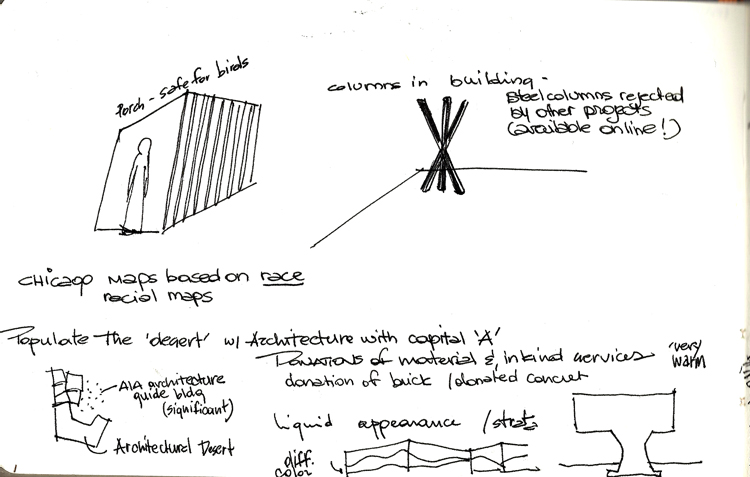
I started a new sketchbook exchange with Mike Riggin, a Teaching Assistant at my school.

My initial contribution: illustrating two of my friend Sarah‘s poems, and an origami heart– due to my recent infatuation with Between the Folds).


Also I must, must, must tell you about an art show that could have possibly changed my outlook on life, art, etc.

Tara Donovan, Untitled (Styrofoam Cups), 2008, Styrofoam cups, hot glue, dimensions variable. Artwork © Tara Donovan, Courtesy of the Artist and PaceWildenstein. Photo by Dennis Cowley.

One of the most mesmerizing collection of works  I have ever seen, Tara Donovan’s opus has left San Diego this past weekend, but I for one will find her wherever she will show next.  And don’t buy the book, or even look at my link, which is here for reference only.  No reproduction could ever even attempt to duplicate the sense of wonder experienced in front of one of her works. This is phenomenological art at its best, an art that cannot be reproduced, but must be experienced and uncovered tactically, body-in-the-room, primordially.

You can find a podcast that will guide you through her works here on Itunes. And, while you are there, you can check out Artists on Art.

The shock of understanding will rock you. You will see why Tara was awarded the 2008 MacArthur ‘genius’ award.

No virtuality , no screens.  How refreshing. Hers is one of the faces of Art, and I will refer to her, over and over, when I am asked :”What is Art”?

Art transcends the medium to achieve the sublime.


Read Full Post »
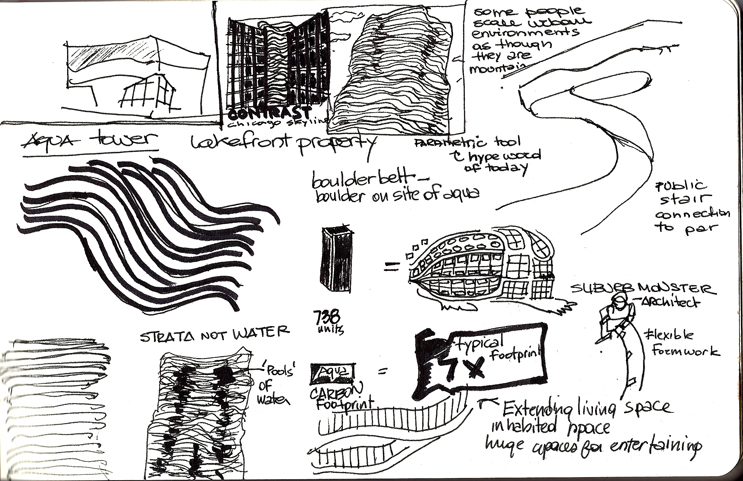
I can't wait to design a home with a sunken garden and a wind tower. Or the italian tradition of operable windows. Both would be ideal for San Diego's breezy and sunny summer weather. Look ma, no HVAC!

Last week I had the privilege to attend two remarkable lectures. The first, on Vernacular Architecture in Persia by the Architect Simi Razavian of MSA&Associates, Inc. Architecture, was a guest lecture part of my Non-Western Traditions seminar class. Simi masterfully shared with us passive-solar techniques used in her native Iran, the lyrical wind towers of Tabas and the use of natural elements in residential design, such as adobe for construction, wet straw and water for convective cooling (in conjunction with wind towers) and gardens and fountains as evaporative cooling channels and elements of sensorial delight.

I wonder how Leed points would work for buildings that seek to return to Nature, since Simi commented that , in all the Leed lectures she attended, Passive Solar was not even mentioned (but the lates triple glazed glass was, along with ways to maneuver the artificially calculated Leed ‘points’).

Through this lecture I was reminded of of my interest in school in adobe and Pueblo construction, and of two of my favorite books, Thermal Delight in Architecture (which incidentally contains an incredible description of a Persian hanging garden) and Earth to Spirit : In Search of Natural Architecture. Notions such as these, plus genius loci and architecture as humanities-based discipline is what initially drew me to Architecture (this and Antoni Gaudi). Yet I found in practice, with very few precious exceptions, what Le Corbusier calls ‘Construction. Not Architecture’ .

Where is the poetry?

Which brings me to the other lecture I attended later that day: James Brown  of Public, one of the most ‘soulful’ architecture firms in San Diego ( I have been aware of the reputation of Public for years, and James had me at hello with his phrase on ‘spirituality of material‘, his graceful demeanor and humble approach to defining architecture and process).  The courage of design conviction, the dedication to values such as meaning and pushing, nay, nudging boundaries is the best cure for the Nothing (yes, as in Neverending Story) that is swallowing the practice here in the US.

Share

Read Full Post »
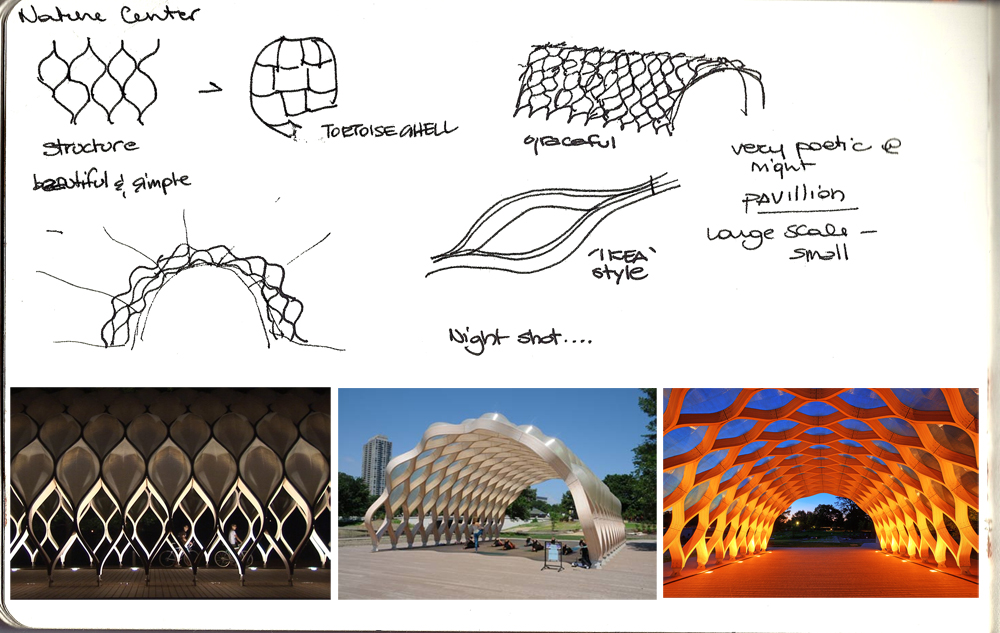

The exterior of Glashaus in the Barrio Logan neighborhood of San Diego, home of a growing number of art+design hubs.

Some of you, as I write this, are partaking of the festivities (and revelries) at Glashaus in Barrio Logan , San Diego for the Moustache Masquerade – Anniversary Party . Last week, Jamie Huffman of Surface Furniture was so kind to let me roam around the studio with my camera, arrange his tools and wooden cars and play with rusty, coppery dust.

I have in mind to try rust watercolors in a future session, and to film the vents turning intermittently with the haphazard breeze, a’ la American Beauty.  There was so much to see at Glashaus, the Beauty of things made, the poetry of craft.

I am reading Gaston Bachelard’s Poetics of Space, of which John Stilgoe writes in his foreword:

The Poetics of Space is a prism through which all worlds from literary creation to housework to aesthetics to carpentry take on enhanced–and enchanted– significances.Every reader of it will never again see ordinary spaces in ordinary ways. Instead the reader will see with the soul or the eye, the glint of Gaston Bachelard.

Indeed, whatever spirituality we can imbue dwellings with starts with the choosing, crafting, and careful shaping of materials.

The resin vapors and the tools reminded me of my father’s and my uncle’s boat and motor repair/workshop in Calabria, Southern Italy, a place that I can only now appreciate in memory–as a kid I saw it as a bit random, a bit dangerous, a bit of a world foreign to me, perhaps unknowable as a little girl, a place of working men, wood shavings, tools and grease. I was drawn to the dogs that were kept there, the boats, big and small, that were stored under the sheds. My favorite parts was the orchard of fig trees in the back, the grape vines, the fields beyond the property wall.

Visiting Jamie’s studio reminded me of  ‘the work of honest men’ and the Wabi Sabi principles of the aesthetics of rugged things. Running my hands on rough surfaces brought me closer to the material aspect of architecture, delighting in details, something that was definitely a learned trait for me.

Thank you so much for having me over, and Happy Anniversary to everyone at Glashaus.

The working space of Surface Furniture Studio and Make in the Glashaus.

Wooden cars designed and crafted by Jamie Huffman, a statement on mass production and commonplace of outsourced manufacturing products.

Surface Furniture Teardrop Travel Trailer

Share

Read Full Post »
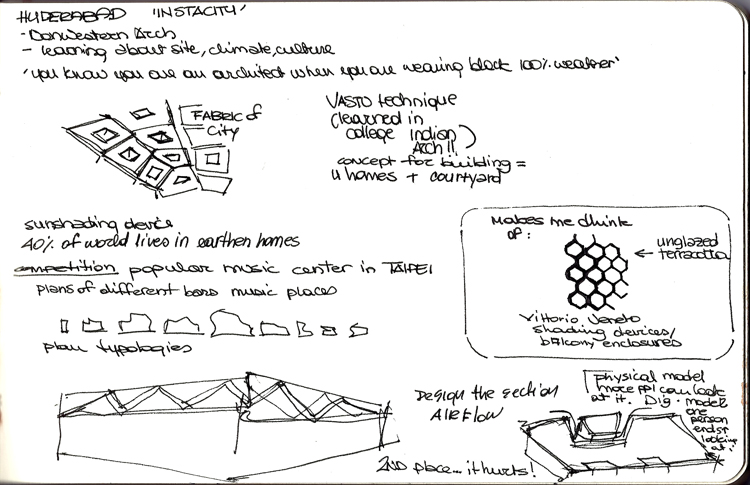
Last week I was reeling from hearing a contractor repeatedly referring to Architecture projects as ‘products’ (can you please stop talking about Architecture as a manufacturing industry? thankyou) and from seeing this noble profession hijacked by what one student referred to as ‘technicians‘.

Vitruvius, Le Corbu, are your tired bones  spinning in your graves? They will soon design a software that, given site parameters and local codes will design the building by itself (look ma, no architect!). If they are not about to launch it already. As my friend Andrew Duncan said, we are looking at a software company deciding the future of architecture projects in this country, in form of who owns the -increasingly more sophisticated- computer models/simulations of buildings. And thus the nail in the coffin, the relevance of our profession is eroded, while we just sit and watch, and clap at the latest computer wizardry. What is it called when people clap at their impending demise?

I am so tired of seeing the creativity of our young architects being sapped by the grueling process it takes to be a ‘licensed architect’ here in U.S. And yes, it is just here and Canada, because everywhere else in the world you are an architect after having proven worthy of an architecture degree and after a standard, brief, state exam. So we/you are all architects in my eyes.

So as I was saying, I was a bit demoralized.  But then, during our Le Corbusier’s seminars, my students put these quotes up (underlining is mine):

I repeat: a work of art must have its own special character.

Clear statement, the giving of a living unity to the work, the giving it a fundamental attitude and a character: all this is a pure creation of the mind.

This is everywhere allowed in the case of painting and music; but archtiecture is lowered to the level of its utilitarian purposes: boudoirs, W.C’s, radiators, ferro-concrete, vaults or pointed arches, etc., etc.

This is construction, this is not architecture.

Architecture only exists when there is a poetic emotion.

Art is poetry: the emotion of the senses, the joy of the mind as it measures and appreciates, the recognition of an axial principle which touches the depth of our being.  Art is this pure creation of the spirit which shows us, at certain heights, the summit of the creation to which man is capable of attaining.

And man is conscious of great happiness when he feels that he is creating.


Le Corbusier, Towards a New Architecture. English Ed. 1931

Is it a coincidence that Le Corbusier uses the term Art and Architecture interchangeably?

Construction is for an architect what grammar is for a thinker; the architect should not vegetate there, Le Corb reminds us.

The desired effect is not a mass of grammatical rules, but prose,  or even better, poetry, which not only uses grammar, but trascends it.

Now look around you and tell me how many pedestrian masses of periods and exclamation points surround you, and where does poetry happen (does it at all)?

In class we talked about art being the product of the heart, and architecture the product of the mind.  I knew then these young men and women believe in Architecture, with the capital ‘A’ – not to be confused with building- and everything that it stands for, everything that our ‘architectural heroes’ tell us through the echoes of time, and whispher with their art, their sketches and drawings, their buildings, their irreverent portraits (just as Keating’s poets in Dead Poets Society).

More importantly, these students believe in themselves. Everything then went right in my world.

Share

Read Full Post »
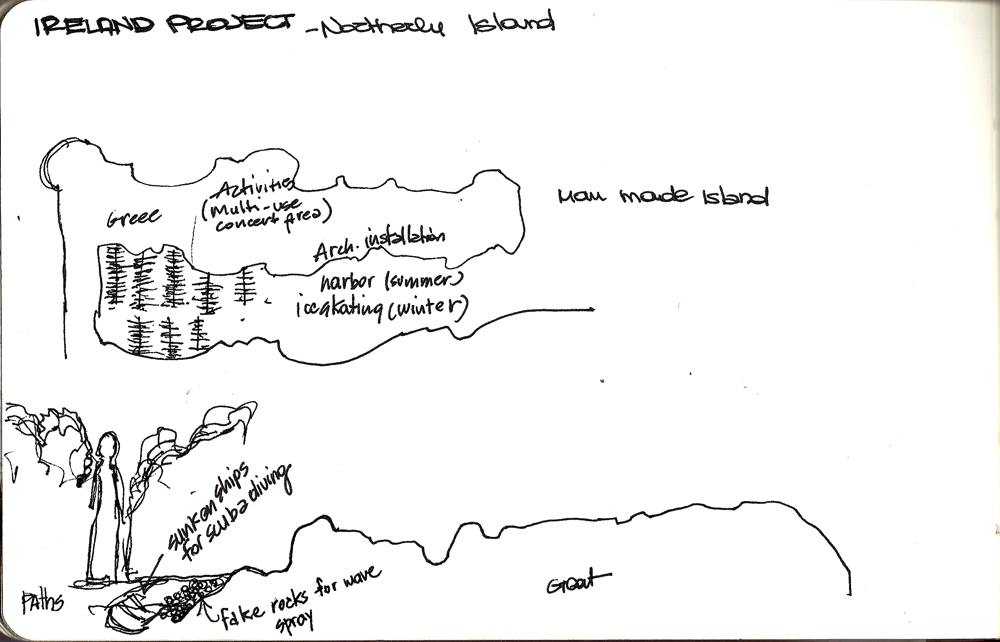
MeghAnn and Sean Drawing. Self-Portrait of my hand. Ink and Graphite on Paper. Feb. 20, 2010

Graphite and Ink on paper. February 20, 2010

I  spent Saturday afternoon drawing with my favorite artist buddies|budding artists, Meghann and Sean. We drew each other, they drew me (see below) and did self-portraits of our hands.

Me as drawn by Meghann (first attempt)

Me as drawn by Meghann- Second Attempt.

Me as seen by Sean.

Read Full Post »
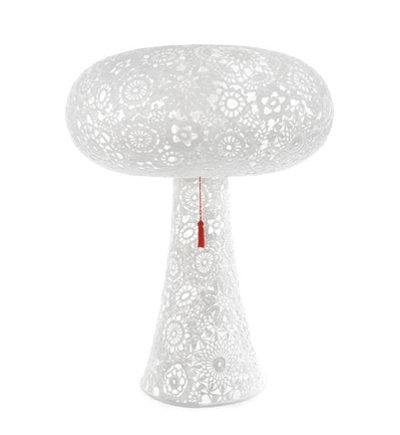
Night Tree. Untouched Photograph. San Diego. February 18, 2010

Photography means ‘writing with light’.

Tonight the sky is lit up, and I took one of my ‘apnea photos’ as I was  walking home. I set the camera on the night setting, then, since I don’t have a tripod, hold still and don’t breathe until the camera finishes computing all available light.

Earlier in class  (History of Art Neoclassic-Modern) we discussed the concept of ‘organic photography’,  that is photography that is not retouched or  enhanced digitally (Photoshopped). Well, what you see above is a direct dump from my camera. I read the recent review of ‘Werewolves’ and our very own Duncan Sheperd mentioned a David Caspar Friedrich light throughout the movie.

The sky tonight reminds me of German Romantic poetry.

David Caspar Friedrich. Mann und Frau Den Mond Betrachtend. Oil. 1819

The one true source of art is our heart, the language of a soul infallibly pure.

A work that is not begotten from this source can only be an artifice. Every authentic work of art is conceived in a sacred hour, and borne in a happy hour, often without the artist’s knowing, by the inner impulse of the heart.

David Caspar Friedrich

Read Full Post »
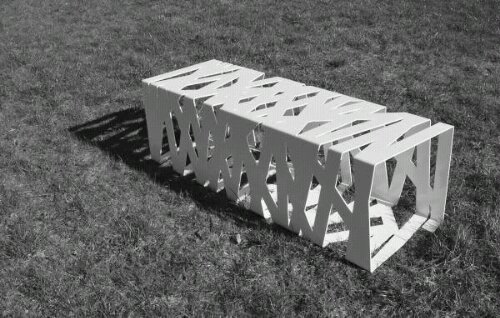
Happy Tuesday. Throughout my four years of teaching Tuesday has always been my ‘work at home’ day, the one costant in the changing tides of quarters, classes and schedules. Today I thought I’d start a special Tuesday section, when I have more time to start new projects. So here is the first artuesday: this is the view I wake up everyday to, small happy townhomes in earth colors. I always wanted to do a watercolor of these homes on the edge of urbanity and nature (they sit on a canyon in uptown San Diego). Yup, I live near a canyon, yet in the city, more on this later. So here is my progress, I started with some guiding lines and this is as far as I got today. The watercolor will be a simple wash.
[click to enlarge. Unfortunately, soft graphite drawings are infamous for not scanning well]

Starting the drawing with tree shadows, to warm up the hand. From stationary point on the ground, the proportions are lightly drawn.

Vertical guiding lines.

Vertical and horizontal guidinglines of doors and windows-

Drawing and leaning on car, then sitting on the curb or grass in front of each house in my neighborhood was fun, and different cause I *never* hang out near my house. I even met a neighbor who was an artist! Doing art outdoors can tell you so much about where you live, and I am so glad no paranoid people called neighborhood watch on me (:P)

I used a Derwent Sketching for roughing in the proportions, the (only) tree and the tree shadows. You can see my new Faber Castell mechanical pencil, bought in Kuwait. What a dream drawing tool, see how ergonomic it is? (ok I will stop showing off now).

Derwent Sketching 2B, Faber Castell Grip Matic 0.5, Staedler eraser, Kneading eraser (to tone down lines).

A thing of beauty. The eraser part twists to reveal the eraser stick.

Sometimes I see my students sketching from photos, and it breaks my heart: there is nothing like the training of the hand to succeed as a designer and architect. I like to tell them to use the verb ‘draw’ as in ‘drawing information’.

THE IMPORTANCE OF SKETCHING

Don’t get me wrong, I am not a dinosaur.  I love Sketchup, as a 3D modeler use 3D Max, have done my fair share of CAD and Revit and  Photoshop is my religion, but, as this article says, if you don’t know how to draw and sketch, and quickly convey your ideas through hand-eye coordination, your role as an architect will be very limited. Thank you to Andrew Duncan for sending me this.

Should rulers be outlawed when sketching? I believe in training your hand to be a plumb weight, creating straight yet ‘human’ lines.

Ah, the ‘Tyranny of the Straight Line’!

Share

Read Full Post »
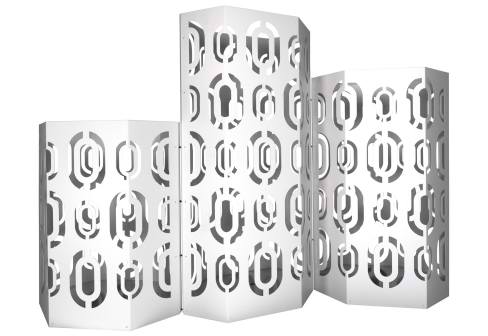
For many artists/designers endeavoring to build an online a presence, a blog is an incredible way to show up to their work and share new projects. Still, designing a high-quality blog and content is not enough. You have to get the word out ( is a blog still a blog if nobody reads it?)

So how can you make it inviting for people to visit your digital studio?

I believe a non-cluttered, restful design is key, for starters. My design zen inspiration is An Open [Sketch] book. Joining blog/aggregating communities such as networked blogs, technorati and notcot.org can bring like-minded people to your online home.  Also, blogging websites are full of advices on how to ‘get read’ (see ‘On Blogging’ on my blogroll).

In December, I designed my new business cards so I could share my online work and vision with artists and professionals I met  (do you like them? – ordered with Vista = very happy)

I also found a way to have a  digital V-Card as a gmail signature so that people could visit my art and architecture websites when I sent them an email- we will talk about this next.

But I believe the best way to reach out to people is to be an answer to their problem, i.e tutorials ( like I’m doing now…this is so meta). In other words, if you couldn’t find something online and had to build it yourself , save the struggle to other people and you will gain aficionados. In my case, I wanted to have a customized ‘Buy Me Coffee/Micro-Donation’ button for my WordPress blog, linked to Paypal, just in case someone wanted to take me out for coffee cause they loved my blog and art  so much:) A sort of digital tip jar.

What I found online did not fit my blog or design needs, and there were problems linking my button my free Paypal account. So i did a bit of code magic. I hope it helps you.

And if it does and you want to tip me…well… that would be just swell!

How to make a customized ‘Buy me Coffee’ Paypal micro-donation button


Premise:  You have a free PayPal (not-merchant) account, and a free WordPress.com blog.

Goal: You want to be able to place an attractive button where folks who enjoy your posts can drop couple of bucks to sustain your caffeine
addition (or other, who am I to judge?).

Problem:

A. You have tried to generate the button code from your Paypal account but, once it is placed in your blog, it does not link to your
Paypal donation page. You tried messing with the code, and it still doesn’t work.

B. You need help with placing your own image on the Paypal button, or with creating the button on WordPress.

Solution:

Well, I struggled so you don’t have to.

1.If you are here, I am assuming you have a blog.  If you don’t have one, go to wordpress.com and sign up for one. It is beyond the scope of this tutorial to enumerate the qualities of WordPress, but people who have shopped around invariably choose to host their [free] blog here. You will be well-cared for. For the WordPress.org [paid domain] folks, there is a Paypal plugin, so no need to go further.

2. After accessing your blog, sign up or sign on to your Paypal account. Look at the tabs on top of the page: under ‘Products and Services’, click ‘Website Payment Standards’

You will land on  ‘Website Payments Standards Overview’ >Payment Button tab.

Go to  ‘Accept donations anywhere on the web’ and click on ‘Create one now’

Fill out the fields (skip Step 2 and 3 unless you want to upgrade your PayPal account).     You can customize your button now, but you probably want to substitute the ‘donate’ image with something more appealing at a later time. I did not customize for this tutorial, and did not fill the ‘Company’ or ‘Donation ID’ fields.

When you are done, click ‘Create Button’ at the bottom of the page.

This will generate the button’s code. Remove ‘Code Protection’, on the top right of the box (very important) and click ‘Select Code’.

Copy (ctrl+c) the code. On your desktop, right-click anywhere, select ‘New’ and create a new text (.txt) document, or you can use your usual html editor as well. Paste (ctrl+v) the code.

You will get something like this (where the red X’s are your id numbers):

3. Normally you would now go to your WordPress blog dashboard, choose Widgets, drag a ‘Text- Arbitrary text or HTML” widget  to your sidebar  and and paste the above code to obtain a button. This time though, this would result in an empty field, and we need a workaround.

You will use the ‘Image-Display an image in your side bar’ Widget

Drag it in the sidebar and open it:

A. Widget Title: You can name your button ‘Donate’ or ‘Feed the Starving Artist’ etc.

B. In the ‘Image URL’  place the URL address of any  image that is hosted on image hosting websites such as Flickr, Photobucket etc.

(I always recommend hosting your own images). You can usually find this code under a ‘Share’ button by the hosted image in these sites.

The address will look something like this (where ‘yourhostingsite’ and ‘youraccountname’ are a substitute for your actual code):

http://i231.yourhostingsite.com/albums/ee231/youraccountname/7338fccb7887.jpg

C. In the ‘Link URL’ (where you want visitors to land when you click your button) you will paste this code, derived from the PayPal code above (with a sprinkle of magic).

https://www.paypal.com/cgi-bin/webscr?cmd=_donations&business=XXXXXXXXXXXXX

(the X’s are your ID code from the Paypal button code in Step 2)

Now we have the ‘ingredients’ for our customized button: an image hosted online, its address, and a link to your PayPal donation page.

I like to have the button centered, so I adjusted the size and justification of the widget until I was satisfied.

Be creative, you can design your button to include text and credit cards symbols, in a software such as Photoshop.

Hope you will enjoy your very own PayPal/Donations button and that this worked out for you!


Share

Read Full Post »
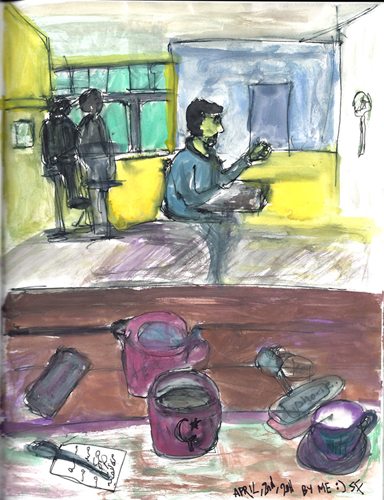
Happy San Valentino!

Here are some card designs I have been playing with, let me know if you would like a hi-res version, and  which one I should put in my future etsy print shop.

Finally, I have been listening to my Buddha Bar CD’s today, and in Buddha Bar II there is a Rumi poem recited by Deepak Chopra and Demi Moore, set to beautiful, haunting music. If you are interested in the CD, here you go. Here is the text, and may all your days, like this one, be filled with love.

A lover knows only humility,
He has no choice.
He steals into your alley at night,
He has no choice.
He longs to kiss every lock of your hair,
Don’t fret,
He has no choice.
In his frenzied love for you,
He longs to break the chains of his imprisonment,
He has no choice.

A lover asked his beloved,
“Do you love yourself more than you love me?”
And the loved replied:
“I have died to myself and I live for you,
I’ve disappeared from myself and my attributes,
I am present only for you.
I have forgotten all my learnings,
But from knowing you I have become a scholar.
I have lost all my strength,
But from your power I am able.
I love myself,
I love you.
I love you,
I love myself.”

I am your lover,
Come to my side,
I will open the gate to your love.
Come settle with me,
Let us be neighbors in the stars.
You have been hiding so long,
Endlessly drifting in the sea of my love.
Even so, you have always been connected to me.
Concealed, revealed, in the norm, in the un-manifest.
I am life itself.
You have been a prisoner of a little pond,
I am the ocean and it’s turbulent flood.
Come merge with me.
Leave this world behind us.
Be with me,
I will open the gate to your love.

I desire you more than food or drink.
My body, my senses, my mind,
Hunger for your taste.
I can sense your presense in my heart.
Although you belong to all the world,
I wait in silent passion,
For one guesture, one glance.

Rumi


Rumi’s words are often mysterious, yet often refer to his personal search and passionate, intimate connection with the Divine Presence within.

(via enlightenedbeings.com )


From: Love: The Joy that Wounds. Love poems by Rumi

PREFACE BY
Jean Claude Carriere

CALLIGRAPHY BY
Lassaâd Metoui

Everything – strength, joy and knowledge – comes to us through love.
Love burns and devours, love destroys life and it gives life.
Love is both secretive and revelatory.
This is how it was for Jelalaldin Rumi, the thirteenth-century Persian
poet, grand master of the Sufi tradition and founder of the brotherhood
of Whirling Dervishes.
Born in what is now Afghanistan, then settling in Konya, in Turkey,
shielded from the invading Mongol hordes, he was a venerated teacher,
an unrivalled scholar. People from everywhere came to listen to him.
Then one day he met a wandering dervish, a man who was very
sensitive to the cold, and older than Rumi was. He spoke in riddles,
was insolent and irritable, and his name was Shams al-Din of Tabriz.
Love blossomed between the two men. They stayed together, locked
away, for forty days and forty nights.
When they went their separate ways, Rumi was no longer the
academic whom everyone had known. He danced, laughed, made up
poems. He had been illuminated, as though from within.
In a lightning flash he had become a poet.
And for the rest of his days, he forgot his professorial chair and his
teaching, and, instead, sang of this metamorphosis to the whole world,
with unforgettable elan.
In all he wrote some 50,000 lines of poetry, much of it collected
together in The Book of Shams al-Din of Tabriz and in the Masnari, two
jewels in the world’s history of poetry.
Love is a grace, Rumi tells us over and over. It is a fire, it is
intoxication, an unceasing turning, a breath from heaven. It is a way
for all lost people and a cure for every fever.
And love is limitless, for it excludes nothing and no one. Here, lovers
are not alone in the world.
Quite the opposite. To love someone is to love the whole world.
Jean-Claude Carrière

The following poems were written by Jelaluddin Rumi in the 13th Century A.D.  His words are often mysterious, yet often refer to his personal search and passionate, intimate connection with the Divine Presence within.

The following poems were written by Jelaluddin Rumi in the 13th Century A.D.  His words are often mysterious, yet often refer to his personal search and passionate, intimate connection with the Divine Presence within.

Share

Read Full Post »
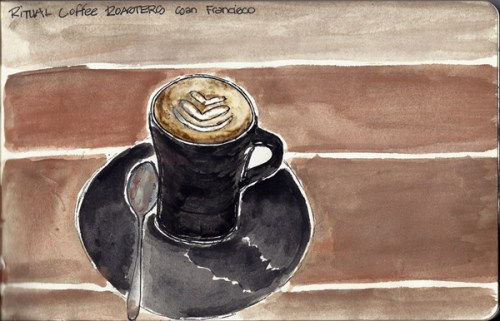
Turning into pattern/abstract thoughts. Digital collage. Original mixed media on glass. 2008/2010

Art is a wound turned into light.

Georges Braque

(Thank You Lamees)

Read Full Post »
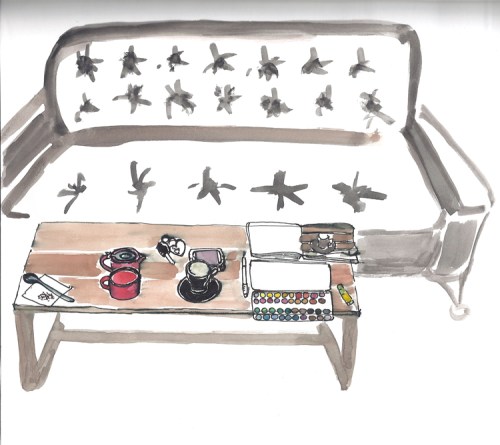
Mubkhar (Bokhoor Holder). Bokhoor charcoal on paper. February, 2010.

Bukhoor made from sandalwood. via alharamainperfumes.co.uk

The charcoal is heated on the stove or fire and the bukhoor is placed on top. The resulting scented smoke can be found in Arab airports, home, stores, offices.

I received a container of bokhoor, the rare scented wood whose fragrance is used in Arab tradition to perfume rooms, clothes, and hair.

One evening, while listening to Gipsy Kings, I thought of using the bokhoor charcoal  left in the mubkhar to draw. Actual charcoal is more challenging yet has a smokey, tactile, fragrant quality that I really enjoyed. 

Soy Gitano. Bokhoor Charcoal. February, 2010

Read Full Post »
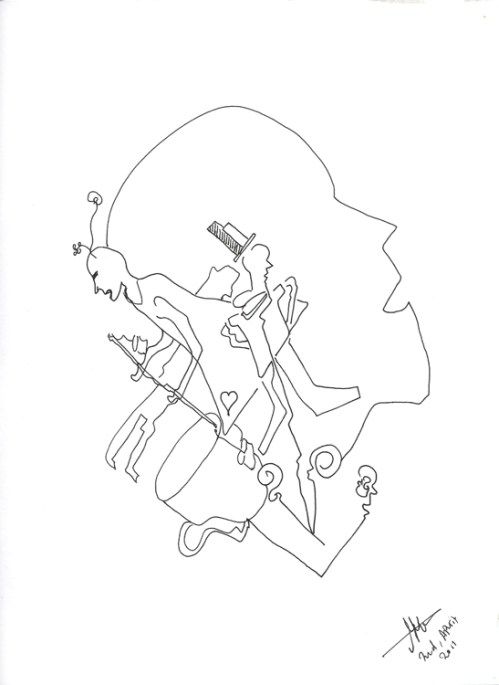
Francoise Gilot (Picasso's Mistress), Self- Portrait. Copy. Ink on Paper. I saw this at the San Diego Museum of Art, and needed to have it.

Françoise Gilot. Self-Portrait. Copy, ink on paper. January, 2010. Françoise was Picasso's long-time mistress, an accomplished artist in her own right. I saw this piece at the San Diego Museum of Art.

The original drawing. I couldn't find it anywhere online, so hope it helps someone. No photos allowed on this one *cough*

Somebody bought me blue roses....Watercolor and Graphite. January, 2010.

Photograph edited in Photoshop. February, 2010.

Coffee Carrier (delle). Graphite on paper. Kuwait. January, 2010.

Miniature Pomegranate. Watercolor on chocolate wrap. Kuwait. January, 2010.


February 1st, Monday. I like it when a new month, sparkling with possibilities, starts on a Monday, a beginning of a new week. This February finds me physically incapacitated ( I have been down with a bad cold since last week)-  but my spirits are up, because of the things I have been reading, the art documentaries I have been watching, the places I have been (a brief jaunt to San Francisco) and the interesting people I met. I have been feeding my mind and doing lots of different things, so today I want to catch up, and share.

What I have been doing: Teaching. This quarter my classes are First Year Design Studio; History of Architecture; Art: Neoclassic to Modern (where my students are researching Women Artists); and Non-Western Traditions (where I can share my travels in Kuwait). Perfect, but insanely busy.

What I have been listening: Gipsy Kings and Sweetheart 2010, a Hearmusic compilation. Great. Now I have to buy the others in the series. Damn you, Hearmusic, why are you so good?

What I have been reading: Design Anarchy (it is a dangerous book, Buy It), Che Guevara- Una Vida Revolucionaria, Feminist Literature, The Guerrilla Girls Bedside Companion to Western Art. My brain is broiling- in a good way.

What I’ve been buying: My only shopping in Kuwait consisted of pens, pens, pens. I received a bounty of gifts, so that anything I could have wanted to buy, was given to me. And for this I will be forever grateful. But my contribution to the Kuwaiti economy can be seen below:

Pens such as these can be found in regular, small office/school supplies stores in Kuwait. In Italy they would be called 'Cartolerie'.

So I gave myself a belated Christmas present by buying a much-needed 1.5 TeraBytes External Memory (It’s a thing of Beauty), and shopped at NaraCamicie, an Italian brand known for the best shirt design in the world. I was so delighted to find it in San Francisco. I visited their Firenze store three years ago, and have been pining for Nara since then. Apparently there are only two U.S stores and when I saw the San Francisco one, I promised myself a visit for a special occasion.

What I have been watching: Art:21, a series of PBS (Public Television) documentaries on contemporary American artists, mostly alternative, independent ones.

What I have been pondering (on Photography):

Joe Nicholson, the First Year coordinator at my school, a veteran academic, who brings a Yale-borne rigour to our class and an incredible dose of warmth, fun and passion for art and architecture (and who I consider my mentor) shared with us this anecdote:

When I was a young man and new to San Diego, I stumbled upon a photographer’s studio. ‘Oh, so you take pictures’ I said to the Photographer. And the Photographer answered: ‘I don’t “take” pictures. I make pictures.’

Joe Nicholson


Share

Read Full Post »
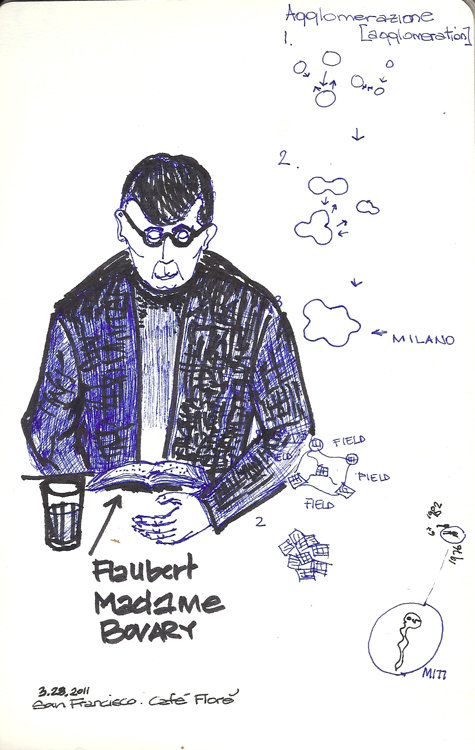
Ink on tracing paper. Kuwait, January 2010. The scene at the bottom is what I saw-or decided to see- at The Avenues, the most popular mall in Kuwait City. There is nothing like seeing photography and drawings from a trip abroad to let it sink in that all reality is subjective, and we choose to see what we want to. We just don't realize it in our own backyard.


This was my small parting gift to my art-sister
Ghadah. I went to Kuwait without a proper gift for her, so I thought I would leave her with a low-tech collage, on tracing paper, of my trip. In keeping with the theme of censorship, which fascinated me- and was the basis for a project of a good friend of Ghada’s-I smudged the personal writing. Censorship frustrates me, and in some cases, puzzles me (especially the haphazard application of it); in other it surprises me- when the censor shows some obvious artistic abilities and inclinations- and I wanted to explore this in something I made. Seeing blurred information makes me feel denied.

(Mis)Using the name of a british band, Does It Offend You, Yeah?

Share

Read Full Post »
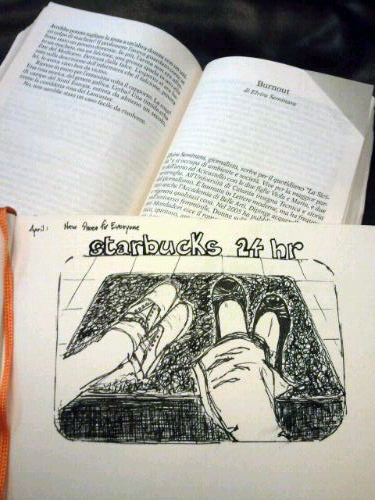


Well, I cannot believe almost three weeks went by since the last post! I returned from my incredible trip on the 7th of the month and school kickedoff at  lightning speed.  I have two more classes I am teaching this quarter, so there’s been quite a bit of readjustment. But I am back- and it feels good-  and I still have two more installments of my Kuwaiti Diaries.

As the days and weeks go by, and as I go through the hundreds of photos I took, the notion that I was actually–ever-too-briefly– in this faraway country of pied beauty, of warm and generous people, and of jarring contrasts between tradition and modernity seems closer and closer to the realm of Illusion.  I left just as I was beginning to understand.

I hope you enjoy what I brought back.

Share

Read Full Post »
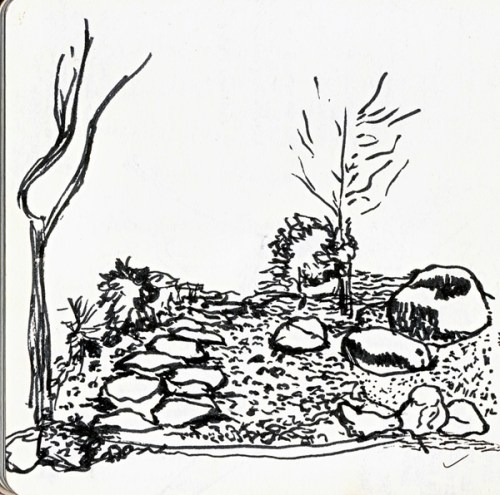
The local ‘Souq’ is called Mubarakiya, named after Mubarak, a leader who was the sheik (‘shehk’, family ruler) from the Al-Sabah family, which is still the ruling family of modern Kuwait. Kuwait combines ancient tradition with a democratic political system (Parliament), and is a melting pot of past and present, as I was able to see in the Mubarakiya.

Kuwait | The Present and The Present

Share

Read Full Post »
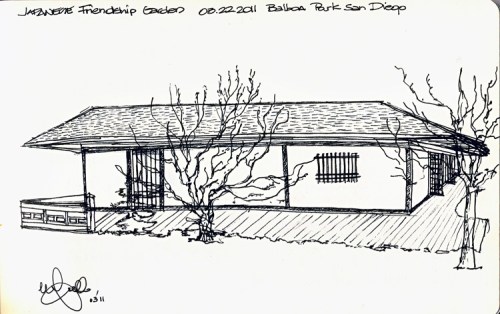

All photos taken using Panasonic Lumix Digital Camera with Leica wide lens


Mother of Pearl, translucent

Wispy, cloudlike, ethereal

Ephemeral, iridescent

Gossamer.

Read Full Post »
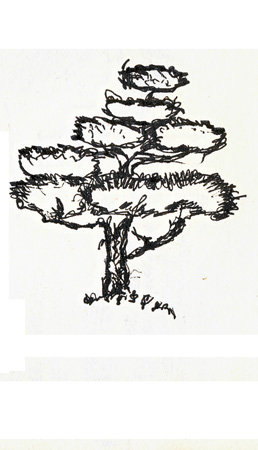
Do you remember this, my sketchbook exchange with Jennifer of Habit of Design?

I actually completed my ‘project’ last week, but wanted to wait till Jennifer received my sketchbook by mail so not to spoil the surprise!

The cover, before and after….. (yes I was not authorized to operate on the sketchbook cover…I did it anyway):

A blank sketchbook cover...an invitation to mischief!

Front Cover- inspired by various things among whom (is this how you say it?) Death in Venice

Back cover

And who knows what it might turn thanks to this. (More on Renga)

I know, I am so demanding.

SO my assigment was Typewriters… Yes, these are all my drawings and photos! What do you think?

Typewriters - Page 1

Typewriters - Page 2...and that's why my fountain pen matters.

Typewriters - Page 3

Typewriters - Page 4

Typewriters - Page 5

This was a wonderful experience- to be soon repeated.

Thank you Jennifer for the Brilliant idea!

I have to thank Professor Booker…Back in my Undergraduate days @ NDSU, he introduced us to Renga Arts and the stunning, surreal, Moorish-inspired “Forgetting Room’ by Nick Bantock.

About Renga and Renga art…[and here it’s to future Renga poetry and art collaborations]

Renga Platform Contemporary forms of Renga in the UK
Renga Arts Functional Art.
Renga @ Wordshop.com (love the name! and yes, it does take two to renga)


Share

Read Full Post »
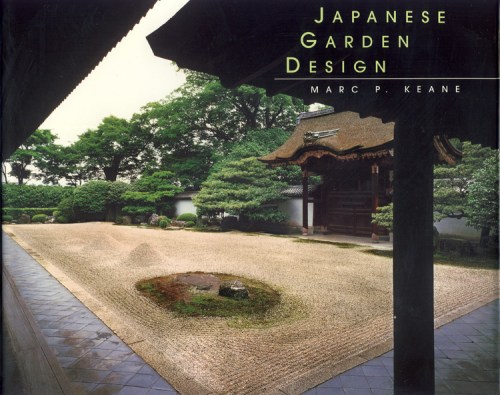
Ink and graphite on paper. December 2009.

I stole took this beautiful knitted giftcard holder from Starbucks the other day.

The cards are also art objects in themselves- i love the micro-cards and their micro-holders.

Starbucks Gift Card Holder- Back

Collection of Starbucks Cards

Share

Read Full Post »
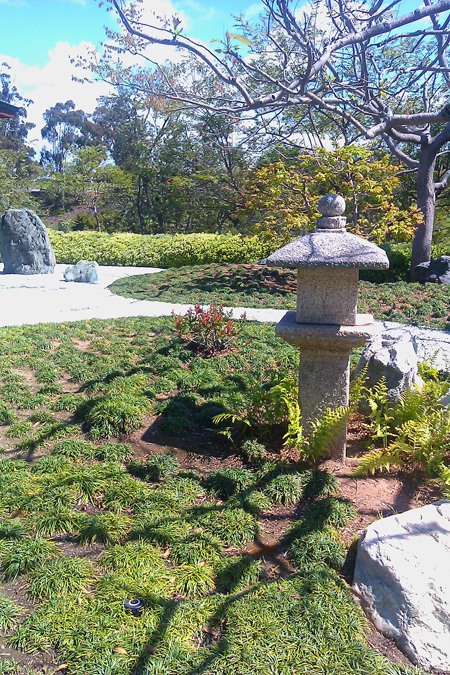
 

This book awoke all senses in me. 

Keri smith possesses a truly remarkable voice; she embodies that Fellini quote:


Put yourself into life and never lose your openness,      your childish enthusiasm throughout the journey that is life, and things will come your way.

Federico Fellini

Take a peak of the book here and check out Wish Jar, the blog of Keri Smith.

Share

Read Full Post »

Ink on Paper (original). November 2009


Influenced by my new find, Applied Arts – Canada’s Visual Communication Magazine I wanted to try my hand at product placing, color iterations and offsetting, a great Photoshop tool that I am sure all of you in Graphic and Interior Design know and love, but that is seldom used in Architecture applications (we specialize in skies, people and -yawn- cars).

The issue I perused was all about the winners of Canadian print, media and radio ads. This territory is completely new to me, but was fun to explore, in a sort of ‘provocative foreign art gallery’ kind of way. The creativity and innovation out there is astounding.  Some of these advert are pure genius. Go Canada!

So here are some things that definitely piqued my interest:

1. Insane Spots (for you yankees, ads) for Milk:
These are short (sometimes micro), irreverent and bizarre videos on the virtues of milk, each shot with a different animation technique and visual style. You can find them here and here.
Personally, i prefer soy milk, but wanted to share the artistic innovation.

2. Provocative campaigns
     I looove these ads:

Campaign for the new Vancouver Convention Center. Images via http://www.underconsideration.com, and created by ddbcanada.com

I loathe thee, carpet! 

Cigarettes always win, in fact, "cigarettes smoke people". Campaign for the Canadian Cancer Patients Aid Association, created by bleublancrouge.ca

Cigarettes Smoke People II


Amy Winehouse en crochet. Dose. ca campaign by rethinkcommunication, image via their website

Paris Hilton made of chewing gum. Dose. ca campaign by rethinkcommunication, image via their website

Lego Tom. Dose. ca campaign by rethinkcommunication, image via stillad.com

For a great commentary on this campaign, read here

And lastly, this ad which I stumbled upon- a very dear message to me –as a lover of letters, books and all things paper.

Campaign By the Australian Post, by Saatchi Melbourne. Image via pixelpastahome.blogspot.com

It says “If you really want to touch someone, send them a letter.”

I am actually sending a letter to my mamma sunday, with some of my art, since she never saw my blog – and probably never will. She doesn’t have a computer and loathes the internet.  She does however, prefer texts to phone calls.  Please, Santa Web, come to my mother’s house!

Read Full Post »

Time is fluid. Somewhen. Photograph. 2009


In My Craft or Sullen Art

In my craft or sullen art
Exercised in the still night
When only the moon rages
And the lovers lie abed
With all their griefs in their arms
I labour by singing light
Not for ambition or bread
Or the strut and trade of charms
On the ivory stages
But for the common wages
Of their most secret heart.

Not for the proud man apart
From the raging moon I write
On these spindrift pages
Nor for the towering dead
With their nightingales and psalms
But for the lovers, their arms
Round the griefs of the ages,
Who pay no praise or wages
Nor heed my craft or art.

Dylan Thomas, 1945

Read Full Post »

Quick sketch of ray fish, or razza in Italian. Concept for a student model. Ink on back of NewSchool Attendance sheet. October 2009


You can see straight thru

an X-ray fish to its heart.

We are just as transparent

so be true, gentle, honest, just. . . .


From :

AN AQUARIUM

Poems

By Jeffrey Yang

Read Full Post »

Suburban Landscape II- Digital Manipulation. 2005

Suburban Landscape I- Digital Manipulation. 2005

D-Evolution of Suburban 'Dream Home'- San Diego. Digital Manipulation. 2005

D-Evolution of Suburban 'Dream Home' III- San Diego. Digital Manipulation. 2005


I hope everyone was able to enjoy domesticity during the just past holiday. I indulged my inner  domestic goddess by cooking a pretty good ‘Pasta al Forno’, which actually gets better two days after baking, keeps well in the fridge and will feed you for half a week!

I have also been surfing the web and handpicking the best architecture and design sites the world over, thanks to the World Architecture Community– do check out the new blogroll .:Global Architecture:.

Must-See:
1. Architecture Lab, a fresh, young, visually captivating and insightful international online architecture and urban design magazine edited by Aline Chahine, an architect living and working in Beirut, Lebanon.
The Architecture bites offered here are just the right size, as a prelude to your favorite periodical or taken on their own.
Can Architecture be delicious? Well, check out Architecture Lab and let me know. Made me fall in love with A. all over again.
I love Aline’s chosen quote:
” A great architect is not made by way of a brain nearly so much as he is made by way of a cultivated, enriched heart.”- Frank Lloyd Wright

2. NotCot. They believe in ideas, aesthetics, and amusement. And they do it with stunning graphics and provocative by-lines. I’m a believer, too.

Read Full Post »

image via Octogon (Design and Architecture online from Budapest)


So here it happens, the siren of Architecture called, and I heeded.

Nay, I relinquished.

Architecture, that capricious muse, finally seeps in my art chamber- yet how could I have kept it at bay?

Architecture is, indeed, frozen music.

If this building was music, what song/genre would it be?

Sir Barry says that some architects of the Baroque era literally applied to their designs harmonic ratios learned from musical intervals and harmonic relations between notes.

I always thought Baroque was the music closest to the act of creating, to perfect mathematical equations, the music of the cosmos. Fractals’ music. Baroque and its clavichords is what I am listening to right now, as I finish a 3D digital model. The model dances and takes form. Digital sculpture.

You must pardon if I wax poetic. I just finished ‘Death in Venice’ and my heart is full of poetry tonight.

Read Full Post »

image via habitofdesign.blogspot.com

I wanted to show off the lovely necklace that I received from Jennifer at Habit of Design. A flower for SketchBloom!

Well, I will have to wear this at my next art/design outing!

In other news, some housekeeping:
[pay no attention to the man behind the curtain]
In order to be qualified to enter the Technorati universe I am obliged to post these codes.

Yes, Technorati, this is Really my blog!

2QQC6AC75FTF

33WVSY2GZNTV

Share

Read Full Post »

Photograph from Nokia phone (3.2 Megapixel camera, Carl Zeiss Lens). Early Summer 2009.


Do you remember

Driving back from Las Vegas

Dusty

We stopped at a roadside fast-food

Nowhere, California?


We played Monopoly

waited until the sun came down,

until the traffic subsided.

You were merciless.


M.A

November 23, 2009


Share

Read Full Post »

San Francisco – Cafe’ De La Presse

Legendary Literary Cafe’ a stone’s throw from the French Embassy.  The staff’s uniforms were très French, the atmosphere European, and the cappuccino was ….flawless.

Collage, Pilot Pen on Paper

Pilot Pen on Paper. November 2009

All photographs taken with Lumix (Panasonic) camera, Leica wide lens.

San Diego: Newschool of Architecture and Design – Cafe’ A la Carte

Bringing coffee, culture and ‘moments of urbanity ‘, as Francisco Sanin, a dear professor in Syracuse|Florence, used to say.

The passage/hallway is transformed in a piazzetta; Adam, the owner, strums his guitar, chats with customers.

Brings book such as ‘Reading Lolita in Tehran’, and Russian lit.

.

Our very own coffee cart @ NewSchool: Cafe' A la Carte. Pilot pen, Graphite and Prismacolor white pencil on paper. November 2009

Arabic Coffee
Naomi Shihab Nye

It was never too strong for us:
make it blacker, Papa,
thick in the bottom,
tell again how the years will gather
in small white cups,
how luck lives in a spot of grounds.

Leaning over the stove, he let it
boil to the top, and down again.
Two times. No sugar in his pot.
And the place where men and women
break off from one another
was not present in that room.
The hundred disappointments,
fire swallowing olive-wood beads
at the warehouse, and the dreams
tucked like pocket handkerchiefs
into each day, took their places
on the table, near the half-empty
dish of corn. And none was
more important than the others,
and all were guests. When
he carried the tray into the room,
high and balanced in his hands,
it was an offering to all of them,
stay, be seated, follow the talk
wherever it goes. The coffee was
the center of the flower.
Like clothes on a line saying
You will live long enough to wear me,
a motion of faith. There is this,
and there is more.

Share

Read Full Post »

Digital manipulation of photograph. November 2009


“Out beyond ideas of wrong doing and right doing, there is a field. I’ll meet you there.

When the soul lies down in that grass, the world is too full to talk about.

Ideas, language, even the phrase ‘each other’ doesn’t make any sense.

Rumi


This is what may happen if you move an image while scanning, tweak the result in Photoshop, and pixelize : an Impressionist painting.

Try it. Let me know how it works for you.


Share

Read Full Post »

“To sleep, perchance to dream-
ay, there’s the rub.”


Hamlet (III, i, 65-68)


Ink on Paper. September 2009


Share

Read Full Post »

Pilot Pen on paper. November 12, 2009

Yesterday I attended Leon Krier’s lecture at NewSchool of Architecture and Design.

I thought it was very interesting when he said the ruins of the World Trade Center resembled a Frank Gehry building (! things that make me go mmm…), so here is my 30 second Frank Gehry assignment, given to me by a student.

I really wanted to ask Mr. Krier about Seaside and the Truman Show, but decided not to.

Thought-provoking concepts in the lecture, even though not fully demonstrated in practice.

Architects are members of an elite. Otherwise, we have no raison d’etre.

Leon Krier, November 12, 2009

Pilot Pen on Paper. September 2009.


Share

Read Full Post »

lemons

Watercolor and Graphite. November 12, 2009

persimmon1

Persimmon- very quick pastel rendering. November 12, 2009.


Got out my pastels today after a long, long time.

I have a wonderful book on pastels bought when I used to have a studio, but no time to do art:/ Time to dig it up, experiment, and get messy.

I have been on a ‘fruit’ roll lately, and  here is a  poem on vegetables.  I have been toying with the idea of making this blog into an (almost) daily offering of art, accompanied by a poem or quote  (art and poetry being ‘my thing’, as they say), along with the occasional writing and random posts. What do you think? Is consistency inherently good, and does a ‘theme’ make a blog stronger? The poems would be the ‘dream’ part of SketchBloom. Are poems dreams? Oh My, I am starting to sound like the Log Lady form Twin Peaks!

Anyways, few months ago ‘Writers’ Almanac’ , on NPR , featured a poem titled ‘ Vegetable Love’.

I ran into ‘ Vegetable Love in Texas‘, which contains some lines resonating with my current state of mind.

So here is for serendipity.

Vegetable Love in Texas
by Carol Coffee Reposa
Texas Poetry Calendar: 2008


Farmers say
There are two things
Money can’t buy:
Love and homegrown tomatoes.

I pick them carefully.
They glow in my hands, shimmer
Beneath their patina of warm dust
Like talismen.

Perhaps they are.
Summer here is a crucible
That melts us down
Each day,

The sky a sheet of metal
Baking cars, houses, streets.

Out in the country
Water-starved maize

Shrivels into artifacts.
A desiccated cache
Of shredded life.
Farmers study archeology

In limp straw hats.
But still I have
This feeble harvest,
Serendipity in red:

Red like a favorite dress,
Warm like a dance,
Lush like a kiss long desired,
Firm like a vow, the hope of rain.


Share


Read Full Post »

Go to Your Studio and Make Stuff- The Fred Babb Poster Book

Sure, I too consider The Artist’s Handbook of Materials and Techniques a veritable oracle for the blossoming artist, but I have to say, Go to Your Studio and Make Stuff is simply the best art book…ever.  One of my favorite art/inspiration books, it’s  full of what the author calls ‘Art Propaganda’, quirky posters with humorous, inspiring art quotes.

When I was a senior, finishing my Art Baccalaureate Show, I plastered the oversized poster pages all over my studio.
I will never forget the poster for ‘Don’t Drink and Draw’, and my students love this saying.

I hope you will be able to find and peruse this beautiful book —which uses humour for a powerful message: Art will save you.
In the meantime, take a look here.

PS : Good Art won’t match your sofa.


Share

Read Full Post »

artistpouch_small

HAVE YOU SEEN ME?

I‘m back.

I have been asked to write a post on my sketching tools, and it took a while to organize my ‘shooting session’.
Also, less than ten days ago, the unthinkable happened: my artist pouch went missing.  This was followed by a period of ‘mourning’ and this drawing to put on a sign (yes, I am crazy like this- especially about my art instruments).

Thanks be to God I found my art pouch, but only after compiling a detailed list of its contents and extensive research to replace everything (yes, I know, very OCD of me). I also found out I am carrying quite a treasure.

So here is my post on my art pouch and its contents, and a celebration for things found! Yay!

The inner zipper is great to keep eraser, mini-scales, lead refills and small objects safe from graphite. The writing instruments here are the ones used most often.

pouch_side_small

The side zipper is great to keep extra Pilot pens and my Parker fountain pen. The case has a velcro strap plus snap button for safety, it can be worn on a belt, attached to a bike etc. On the far side a beautiful detail: a small red bead, reminiscent of Andean artifacts.

I found this perfect pouch/pencilcase at Whole Foods (of all places). It is made by Livity Outernational. You can find it in their store (it is the Rip-Tide, Hemp Organic Cotton Canvas Pencil Case).

So here all my instruments, ink, graphite, brushes for spontaneous coffee watercolors and scissors/glue for impromptu collages. And yes, they all fit in the pouch pictured above.

sketcheressential_small

As for  sketchbook(s), here is what I carry with me everywhere I go (one tucked inside the other):

sketchbooks

Reflexions Medium Sketchbook and Moleskine Notebook (made by modo&modo in Italy)

I try to use the notebook for lists and to-do’s, and keep the sketchbook for sketches (all that you have seen lately here in the blog) writings and quotes. It has not quite worked that way, and I am almost done with the sketchbook. We’ll see with the next one.

As it usually happens, while composing this post, i stumbled upon fascinating websites for fellow lovers of writing instruments and cases.

Here they are:
Leadholder– if you love drafting pencils, you have to see this.

Parker Pens

Eco-friendly hipster laptop bags

Well enjoy, hope this inspired you to go out and do Art ! Oh, more on this and on my favorite book soon!

Share

Read Full Post »

Courtyard @ The Getty. Los Angeles. Pilot Pen on paper. November 1, 2009

Courtyard @ The Getty. Los Angeles. Pilot Pen on paper. November 1, 2009

On Sunday November 1, I was graciously invited by students from my school to join in a field trip to the Getty Museum in Los Angeles.

On the way there, we watched a video about the design and construction of the museum, and the controversy between the architect, Richard Meier, and the artist, Robert Irwin. I had already been to to the Getty couple of times, but I was not fully aware of the ‘creative’ conflict which embroiled Meier, who thought he would have complete control of the design of the museum buidings and the entire site, and Irwin, who was engaged to create a sculpture for the site but then went on to propose – and be assigned- the design of the area now known as the garden.  Of course it was not just about the ‘architect’ and ‘the artist’, but all the key decision makers, from the Getty board, to the Museum curator. Through an exhaustive architectural tour and key insights on the project– by none other than Andy Spurlock, the landscape architect of Robert Irwin’s garden– I came home with many thoughts on the ramification of the Meier-Irwin, Architecture/Art diatribe.

Here are some of them:

1. Perception

The project does seem to have a split personality. Obviously the linear axis was important, nay, fundamental for Meier. Robert Irwin had an approach that, he said, would give importance to all of the views of and from the building, not just the main axis. So we see a difference of approach between a ‘ritual’ on the architect side (by no means indicative of all architects’ approach) and a ‘sculpture in the round’ approach on the artist side (not necessarily a typical or expected’ reading’ of a site from an artist’s point of view).  Are both approaches equally valid?

2. Here’s looking (back) at you, kid.

Both projects are self-referential. Perhaps Irwin is more so, as it ends looking back at itself.  Meier’s ‘triumph’ would have celebrated the view, but also, of course, the museum. I wonder how much ego figures in the equation , and, not knowing the artist and the architect personally, I can only speculate.

3. Letting Go.

The issue of control (or lack-of- thereof) was very painful to see, on the architect side. The ‘plaza’ or ‘triumph’ that Meier envisioned (albeit a very short one due to site configuration), can be seen as a period to his exclamation point, and Irwin stole that thunder. Did the project benefit from the diversity of Irwin approach? And–sounding like a reader’s guide– how so? Are we married to ‘unity of design’?

3.5 The spiral.

People who know me know that I am very partial to spirals. It struck me as really beautiful , and convincing, that Meier at the opening of the video mentioned how he wanted to create a spiral because that is a shape ‘which embraces’ the site.  Irwin too used a spiral. When I asked Mr. Spurlock about it , he said that, in fact, the spiral shape  Meier used was limited to a central  stairway.  I liked to think the two were more similar than they let on. On an unrelated note, Meier also said something really poetic about the color white. White reflects, contains, and becomes all of the colors around it. So in this setting the buildings change hue with the light of the day.  It is a magnificent sight, one which makes you realize that white, so beloved by the Modernists, is, after all, a lot more organic and sensual that one may think. Not cold at all.

4. Ambivalence, and Art/Architecture

I can see myself playing devil’s advocate (and his devil’s advocate), because I still have not decided what I think of the project, whether I ‘like’ it, or ‘buy’ it. It is a great, real example of the art /architecture dychotomy, of different design approaches, and of the challenges in trying to define artists or architects. Meier does have an art backgrounad and considers himself (also) an artist. My experience is that architects are artists when they want to be, but more often than not, they are proud to be architects. So don’t go calling them artists. As for me, as they say, it is an entirely different story.

Is Architecture art? I thought so. But Architects can be artists, whereas the opposite is not true. Artists do not have the responsibility of creating a human habitat, as Andy Spurlock said. But what about artists like Robert Irwin , who created sculptures which become part of the built environment, or urban landscape –to use  a trendy term? His responsibility is not – and cannot be- just aesthetic. So here the lines between art and architecture are blurred.

When I was in college, with an architecture degree almost under my belt and taking art classes to complete a fine arts degree, I composed a collage ‘Everyone can be an artist Not everyone can be an architect’.  Perhaps that explains some of it.

5.  I am probably adding to the mythology, or myth-building of the Getty controversy by these suppositions of mine. Andy Spurlock really needs to write his own version of the story:). He said something that still resonates with me, the idea, or the perception that  ‘Gardens are about change, landscape design is about predictability’.

This time around I did not have much time for drawing or photography, just the quick sketch above. Feel free to see my previous Getty work under the  ‘Photography’ tab.

What I did have time for, though, was  a wonderful, leisurely luncheon al fresco, lively conversation and a background of lavender mountains.


Share

Read Full Post »


Pencil and watercolor on paper. November 2009


Persimmon Pattern

Original pencil and watercolor, Photoshop manipulation.

I have been involved in few art and architecture related events lately , among them a wonderful sunday visit to the Getty Museum in Los Angeles- of which more next.  Meanwhile, Halloween and Dia De Los Muertos came and went, and the persimmon tree in the yard has been heavy with wonderful, golden fruit.

It took me three days (one for each persimmon) to complete the first work, as I wanted to paint during daylight, and only had about a forty minutes each day to dedicate to my craft. So here they are, my small persimmons.  I wanted to do a study in pastel, but that will have to come some other day…as I actually ate the model:)

The pattern. I guess I have been inspired by the pumpkin colors all around, the fall, and , perhaps, domestic life?

This I feel could make a sketchbook cover, or a great tea towel. Now if only Crate and Barrel or Williams Sonoma would call…


Share

Read Full Post »

Derivatives

Still thinking of Mara….this could be her ghost.

Incomplete Mara (My Mona Lisa). Photoshop. October 2009.

Incomplete Mara (My Mona Lisa). Photoshop. October 2009.

I have also been pondering the implications of this Fellini quote I found:

A different language is a different vision of life.

Federico Fellini

If so how can we ever bridge the divide?

Perhaps only in music.

Or silence.


Share

Read Full Post »

So , I have been busy doing some art here

This the bounty I received by mail this week!

1.  A wonderful watercolor postcard from my blog/artsister Ghadah, especially made for me!

Mara by Ghadah Alkandari

Mara by Ghadah Alkandari

2.  A new sketchbook (and drawing project) from Jennifer at  habitofdesign.blogspot.com.

Jennifer has started a wonderful project called ‘ A Study In…’ This is a sketchbook exchange where two artist pick a topic for each other -to fill few pages of the sketchbook, and send the work back and forth.  Jennifer started with ‘Trees” and below you see what she chose for me (so excited!)

Jennifer's Package for Yours Truly.

A new SKetchbook. Tabula Rasa!

A new Sketchbook. Tabula Rasa!

The Instructions.

The Instructions.

Jennifer chose this topic for me : Typewriters. Guess I am going to research that next...and I DO love them!

Jennifer chose this topic for me : Typewriters. Guess I am going to research that next...and I DO love them!

The beginning of "A Study In..' Project Designed by Jennifer Reece

The beginning of "A Study In..' Project Designed by Jennifer Reece


Share

Read Full Post »

Mies Van De Rohe's Barcelona Chairs @ the College of Environmental Design in Berkeley. Oct. 2009

Mies Van De Rohe's Barcelona Chairs @ the College of Environmental Design in Berkeley. Oct. 2009

Reading Lounge at CED Library, Berkeley. Oct. 2009

Reading Lounge at CED Library, Berkeley. Oct. 2009


My absolutely favorite part of Wurster Hall building is the CED library- which is so up to date it has its own facebook and twitter page.
In it, we find large, custom-designed tables with great lighting and comfortable wooden chairs.
Plenty of room to spread out and a wonderful atmosphere for working and studying.
I also love the sitting area with Mies Van De Rohe’s Barcelona chairs, which lends a hint of sophistication to the space and makes it really inviting. You can learn more about chairs’ design here.

A library should feel like a special place, and this one definitely celebrates knowledge and books.

These days, much is said about the future of libraries (and books), in a digital age of downloads and Kindle. Print newspapers are disappearing or undergoing big cuts, and one of my favorite Op Ed contributor at the New York Times covered the issue, saying that desperate times call for desperate measures. Last week the Times also wrote about libraries who are embracing digital lending (albeit on a reservation system).

As an avid book lover and collector, I am intrigued by debate of the future of books (and e-books- does the brain like them?) and ponder about a future in which books will be obsolete or prized collections, such as records are today.

It seems like this topic is covered everyday in one form or another, and now even art has contributed to the  fetishism of the book. Do we celebrate a form of communication right at the moment when that form is losing its relevance? Recently, I have started the whole contents of my library on LibraryThing, and , through this process, I am appreciating my books all over again.
Considering they have made the trip across the pond several times, they are all very expensive books by now, too. A point has to be made that, with the advent of e-books, I would not have to pay hundreds of dollars each time to ship my body of knowledge. I still remember how cumbersome it was to try to bring all my CDs on trip and I am, it’s true, ever-so-thankful for my 120GB Ipod.

Of course book lovers will say that books will never lose its relevance, but when the new generation is getting the book contents via the internet (legally or illegally), and even the University of California Libraries have been collaborating with Google on its mega-scanning project, we need to accept the fait accompli: a paradigm shift is taking place, whether we like it or not. The enviromental cost of printing on paper needs to also be taken in consideration.

The dream is an old one to unify all books ever printed, , in every language, and make that body of knowledge easily accessible. A sort of modern-day version of the Alexandria Library. Sure everyone knows about Google books, but do you know that the Boston Public Library will scan on demand any public domain books you request? And send you a link to download it? That is, I have to admit, incredible.

I will throw my two pennies in the fray: I spend lots of time in front of the screen, and so far, I have found the experience of reading a book (in my case, Death in Venice) online the equivalent of eating junk food. Sure it can fill your stomach, but the quick and easy fix, notwithstanding the empty calories, robs you of the ritual of eating a meal. In Italy there is a movement that is trying to save movie theathers, and it studied the difference between watching a movie in the big screen as opposed to downloading it and watching it on the computer. It surveyed young viewers who were asked to make a drawing after seeing a movie in the movie theather and once again, in the computer screen at home. The difference in the creative output is outstanding. Watching a movie on your laptop does not feel ‘special’ and I do believe some of the magic, the ‘suspension of disbelief’ is lost, when right outside of the borders of your screen you see the laundry that neds to be folded, or dishes needing to be washed. Indeed , once televisions were installed in every home there was also a cry for the ‘death of the movie theather’. As it has been said for drawng, in that case, the advent of tv dinners did not eradicate home cooked meals , just made it more special. Yes, Okay, but if reading abook becomes rarer and rare, how special is it? Could reading in front of a screen kill the magic and wonderment of a story? The e-culture, or i-culture, is exponentially more of vehicle of change than tv ever were for the movie theather. It does more than shift the paradigm: it shatters it.

The digital revolution is here, and like the Nothing in Neverending Story, it will eat the book culture we have now, to substitute it with gadgets increasingly more sophisticated and more ‘realistic’:
[Behold! Perfect imitations of ‘ Real (TM) books’]!
E-book publishers are even claiming that people are reading more now that they have access to electronic book readers.

Soon the books will go the way of music and MP3’s…and when offer is abundant , invariably the value (both economic and of personal attachment) plummets. It is the plastic culture, Andy Warhol would have loved it.

I am sure my dialectic has some holes in it, but I hope you catch my drift.

This is the end of the world as we know it (TM).

-.-.-.-.-.-.-.-.-.-.-.-.-.-.-.-.-.-.-.-.-.-.-.-.-.-.-.-.-.-.-.-.-.-.-.-.-.-.-.-.-.-.-.-.-.

Read Full Post »

Barcelona Chairs by Mies Van De Rohe, 1929 @ the CED Library in Berkeley

Barcelona Chairs by Mies Van De Rohe, 1929 @ the CED Library in Berkeley

This post started (two weeks ago)  as a celebration of my favorite library, the CED library in Berkeley. I was just going to show you the sketch of Mies’ Barcelona chairs and tell you how much I liked there– and how conducive the environment is to getting things done and eating your frog, and call it a day. I then found a very interesting brief history of the building this Library is housed in, which actually embodies the creation of the College of Environmental Design at UC Berkeley: it was so fascinating and full of great quotes, I wanted to share with you.

The ongoing debate about the relevance of libraries  and printed matter begged to be included, since this was a post on libraries. As it happened once before, the Times published great material on the topic as I was crafting this post. I hope you ejoy it and will join in the discussion.

During a recent quiet (read: my internet was down) evening I pulled out a paper I brought home with me from Berkeley, a brief history of the College of Environmental Design at UC Berkeley and the building it is housed in: Wurster Hall. The paper was originally written in 1984 by Sally B. Woodbridge to mark the 20th anniversary of the building, and the following is a summary of its contents (read I am paraphrasing, not all ‘flour from my bag’ as we say in Italy).

As William Wilson Wurster said in 1964:

I wanted [future Wurster Hall] to look like a ruin that no regent would like…It’s absolutely unfinished, uncouth, and brilliantly strong…The Ark  [previous Architecture building], for instance, is a ripe building; it has been lived in; it’s been used; it’s been beaten up…It’s arrived.
Our building will take twenty years to arrive.

Oral History, Regional Oral History Office, The Bancroft Library.

Detail of Interior Courtyard Elevation- College of Environments

Detail of Interior Courtyard Elevation- College of Environments

In 1984, the twenty years had passed, and, as Woodbridge says, they had left the building lived in, used, and beaten up.  The crisp mountain of concrete did not age gracefully, mainly because the university judged the building to be maintenance free: weak points such as the caulking were never redone or checked when necessary.
Woodbridge’s paper was reissued in 2009, with a new introduction, this time to celebrate the 50th anniversary of the building and the college.  For, in fact, the building embodies the college, and the struggles to find unity in a name ( I had no idea that Environmental Design was a term fraught with so much political meaning) and in differences in design visions.
The issue of the name is important, because the CED was not just another college at U.C Berkeley, it was the world’s first institution dedicated to the study of Environmental Design (Woodbridge, 2).

The new building was going to be housing the City and Regional Planning, the Landscape Architecture, and Architecture Departments. In reading the essay, one realizes the power in a name, for there was a waryness of the other departments of being subordinated to the older and larger field of architecture.

Wurster, the Dean of the School of Architecture from 1950 to 1963 ,started working on the unification of the departments shortly after he assumed his academic duties, and formed a committee which met for four years, but the disapproval of the college names and disagreements over the new college led to a very poliically fraught atmosphere. Wuster disbanded the committee, and when the legislation finally approved the creation of the new building (prophetically without a name) in 1956-7, he assembled a team of unlikely-mind architects to design the new building.

It is very telling that the administration disapproved of choosing three faculty members to design a major building, but Wurster argued successfully that not choosing Architecture faculty would be a vote of disapproval. Wurster abhorred Avant Garde Design, ‘I want you to design a ruin”, he said, pounding the table for emphasis. He was concerned with consistencies of use of forms and materials. Some say he had a Brutalist approach, à la Kahn.  Unfortunately, as Esherick, one of the architects, said, the funds  at their disposal did not allow them to do the fantastically controlled concrete work that Kahn used at the Salk Institute in LaJolla.

Wurster got his wish, no regent liked the building, in fact, one of them remarked: ‘They should have not disguised the building with trees’, referring to the elegant renderings made to ‘sell’ the new design.                                                                                                                   If, as many think, the building did not age gracefully, it was and is certainly appreciated for its capacity to withstand neglect and intense use.  Wurster was of the opinion that a school should be a rough place with many cracks in it. If, as many think, the building did not age well, it was certainly appreciated for its capacity to withstand neglect and intensive use . While it took a beating, it kept the uncouth character that Wurster so admired.  Perpetually unfinished, Wurster Hall was an pen ended and provocative environment for teaching and questioning.

Right up to the exposed ductwork (sounds familiar?)

Rendering of the Interior of Wurster Hall. From CED Library, Berkeley. OCt. 2009

Rendering of the Interior of Wurster Hall. From CED Library, Berkeley. Oct. 2009

As J.B Jackson wrote: Where beauty has to be sought out and extracted from a reluctant environment, the arts often seem to flourish best. wherever it exists in profusion and variety it is likely to be accepted as a condition of daily existence, a kind of birthright calling for no special acknowledgement. American Space 1972

Extracting beauty from the environment is what the College of Environmental Design is all about.

A summary of:   Sally B.  Woodbridge ‘The College of Environmental Design in Wurster Hall: A History”, 1984, 2009

And now, for fun, or as my German teacher used to say, ‘zum spiel’, I would like to talk about that ‘brilliantly strong’ character, and what it reminds me of.

Wurster Hall. Elevation from Courtyard. Oct. 2009.

Wurster Hall. Elevation from Courtyard. Oct. 2009.

……..

Casa Del Fascio by Terragni, Como, 1930.

Casa Del Fascio by Terragni, Como, 1930.

Share

Read Full Post »

Photograph- Organic (unretouched), 10.19.09

I 'll Carry You, You'll Carry Me (Orange Frogs). Photograph- Organic (unretouched), 10.19.09


Until One is committed, there is hesitancy.
the chance to draw back
always ineffectiveness.

Concerning all acts of initiative (and creation)
there is one elementary truth
the ignorance of which kills countless ideas and endless plans:

THAT THE MOMENT ONE DEFINITELY COMMITS ONESELF,
THEN PROVIDENCE MOVES TOO.

All sort of things occur to help one
that would never otherwise have occurred.

A whole stream of events issues from the decision,
raising in one’s favor all manner of unforeseen incidents
and meetings and material assistance,
which no man could have dreamed would come his way.

Whatever you can do or dream you can,
begin it.

Boldness has genius,power and magic in it.

Begin it now.

Goethe

Thank you Barbara , for giving me this quote, so many years ago.


Share

Read Full Post »

Card Design 1 of 7- Fall 2009

Card Design 1 of 7- Fall 2009

I am always happy if my internet connection goes down for a bit. It is the time I can then dedicate myself to catching up with my offline (old school) reading. Books, magazines, San Diego weeklies…. things I find in the most disparate places.

I am an unapologetically omnivorous reader and that, combined with a respect for the written word I have inherited from my mother, results in knowing a bit about everything and being at constant risk of  being overwhelmed by paper at all times.

Well, the past few days i have had intermittent connection, and that combined with a very ambitious redesign of my little place and general reorganizing and putting away of things, plus the getting ready for the new school year  means that today I am definitely  stealing time and burning the candle at both ends– and putting up two posts that have been simmering for a week.

Being plugged into art and writing means that sometimes art just must BE, that is, I have been immersing myself in design inspiration (see the augmented blogrolls and site freshening up/networking!!) and seeing the amazing amount of creative output these talented souls put out almost daily inspired me so much to claim the time to post new discoveries, and sketch, and share.

In my dreams I would have time to be like a professional blogger and post everyday or at least every other day, but the reality is that writing needs time, and if I want to be more prolific, I ought to start alternating written pieces with art, and do I have lot ready to share (in my famous digital trunk).  Geez, I don’t want to sound like Julie from Julie and Julia, I am not cooking elaborate french recipes and waking up at five in the morning to post the daily progress . Clearing actual and digital clutter, ‘feng-shui’ing’  life to make ways to creative endeavours is invisible labor, but of immense consequence.

It seems like the work never gets done, and that one could always do more, or  re-do things using a finer comb, or to greater degree of perfection.  See, here is where my mom comes in with her ‘il meglio e’ cattivo del bene’ or ‘better is enemy of good enough’. I tend to perfectionism, and sometimes at results in over-ambitiousness. Hence, the effectiveness blogroll for inspiration!

I am aiming to making this website, my digital live-work loft, more inviting, more connected, like Making it Lovely , and that meant coding and learning a bunch of new stuff- like subscribing to networkedblogs- thanks for ALL the views :)! All of that was worth it (i have been a busy little bee since the last post) because the fans and subscribers and have been growing and I can only hope a year from now to be where my Design Inspiration gurus are.

Thank you for all the support!

Personal success has nothing to do with ordering others, but is a matter of ordering oneself. Nobility has nothing to do with power and rank, but is a matter of self-realization. Attain self-realization and the whole world is found in the self.
Happiness has nothing to do with outward wealth and status, but is a matter of inner harmony.”

Wentzu, Verse 4


Share

Read Full Post »

copley_small

Interior of 'Copley' Symphony Hall, San Diego. Love my new 0.25 pen!

Today the whole school attended Convocation, to kick off the new school year and Fall semester.

The venue was spectacular: Copley Symphony Hall, built in 1929. I took some liberty with the size of the coffers, and the left side was a little too ‘spanish rococo curlicue nonsense’ for my taste.

As the sandiegosymphony.com site explains:

The theather was surrounded by the new redevelopment that took place in the site (the Syphony Towers Office Building, Sheraton Suites Hotel and a parking garage). A very important point: none of those structures is in direct contact with the walls of the theatre, and so no sound or vibration disturbance from any of the surrounding structures will ever interfere with the sound of the music played inside.This is one of the few venues in the world that belongs to the orchestra playing in it. It has proved to be a gem and a pleasure to sit in to hear great music performed superbly.

Symphony Towers was also the first building I worked in when I moved to San Diego seven years ago, and Symphony Hall where I saw Ani di Franco play in 2002 0r 2003.  It was very surreal being there tonight but…

No man ever steps in the same river twice, for it’s not the same river and he’s not the same man.

Heraclitus

Read Full Post »

Sketchbloom has bloomed!

During the past few weeks, I have been working on completing  my portfolio tabs, and I am so happy to announce that now SketchBloom is’open for business’!

I understand now why people refer to ‘building’ a website= lots of work! Feel free to explore.  The portfolio tabs comprise of my work up to Feb.2009- recent work can be viewed through Recent Musings, Categories and the Archive.

Check back weekly here on the blog, bookmark it and sign up for RSS feeds on top of this page:

… so you will know about new postings and news.

[Want to know about RSS feeds? click here ]

There is a lot more in my ‘digital trunk’, and lots of new projects and art waiting to be shared. I am looking forward to this creative journey and to read your comments and feedbacks.

Please pass me along to fellow creatives, and let me know if you would like any info on any of the works shown. I put some of my favorite creative websites in my blogrolls, feel free to add me to your site and let me know of all the amazing art and creativity out there!

The next step for me is to head on over to archistdesign and post/ready my architecture portfolio and post-graduate work. (wish me luck!)

Welcome, welcome, welcome- and thank you so much for visiting.

Read Full Post »

The Sun, the Moon, and on there being no abstracts in life. Pencil, ink, watercolor on 4"X5" canvas.2009

The Sun, the Moon, and on there being no abstracts in life. Pencil, ink, watercolor on 4"X5" canvas. 2009


Looking For Your Face

From the beginning of my life
I have been looking for your face
but today I have seen it.

Today I have seen
the charm, the beauty,
the unfathomable grace
of the face
that I was looking for.

Today I have found you
and those that laughed
and scorned me yesterday
are sorry that they were not looking
as I did.

I am bewildered by the magnificence
of your beauty
and wish to see you with a hundred eyes.

My heart has burned with passion
and has searched forever
for this wondrous beauty
that I now behold.

I am ashamed
to call this love human
and afraid of God
to call it divine.

Your fragrant breath
like the morning breeze
has come to the stillness of the garden
You have breathed new life into me
I have become your sunshine
and also your shadow.

My soul is screaming in ecstasy
Every fiber of my being
is in love with you

Your effulgence
has lit a fire in my heart
and you have made radiant
for me
the earth and sky.

My arrow of love
has arrived at the target
I am in the house of mercy
and my heart
is a place of prayer.

–Rumi

from  http://jaibhakti.blogspot.com

Read Full Post »

These orchids smelled like bakhoor .
I had to get them down in my sketchbook before they wilted away.

Orchids and the Happy Mistake. Ink and watercolor. Sept. 20, 2009.

Orchids and the Happy Mistake. Ink and watercolor. Sept. 20, 2009.

Caffe’ Strada in Berkeley has- in my humble opinion- the best cappuccino this side of Firenze. The foam (crema, really) is so thick it actually lifts up from the glass Strada baristas serve their famous cappuccino in. On a whim, I strayed from my usual cappuccino habit and ordered their regular coffee. Well, they do not serve drip coffee, so I got an Americano. You might ask what prompted me to ask for drip, or ‘Regular American’ Coffee….well, it is my recent obsession with Twin Peaks and Agent Cooper.
‘That’s a damn good cup of Joe’!

Americano at Caffe' La Strada, Berkeley. Ink and pencil. Sept.20, 2009.

Americano at Caffe' Strada, Berkeley. Ink and pencil. Sept.20, 2009.

Americano at Caffe' La Strada- Berkeley. Pencil, ink and photoshop. Sept. 20, 2009.

Americano at Caffe' Strada- Berkeley. Pencil, ink and photoshop. Sept. 20, 2009.

Read Full Post »

The respite from teaching means more time to dedicate to looking around and showing up daily to my sketchbook.  I have been experimenting with watercolor, a medium that I am enjoying more and more since my Rendering and Delineation class, and the coffee paintings. I have been visiting Ghadah’s website daily and leaving what probably are too many comments ;). Seeing her work inspired me to compose art as in a journal, and I did always enjoy words and illustrations.  So here it is, my first in the ‘Berkeley Diaries’ series. I love leaving San Diego and visiting San Francisco when we are in between quarters, and this time of year is perfect for sailing and for long plen air painting sessions.

Her Lady in Red. Ink and Watercolor. Sept.19,2009

Her Lady in Red. Ink and Watercolor. Sept.19,2009

Berkeley Bay. Pencil and watercolor. Sept.19,2009

Berkeley Bay. Pencil and watercolor. Sept.19,2009

Amina's BCBG Shoe. Ink and watercolor. Sept. 19, 2009

Amina's BCBG Shoe. Ink and watercolor. Sept. 19, 2009

Amina reading. Ink on paper. Sept.19,2009

Amina reading. Ink on paper. Sept.19,2009

Amina Reading II. Ink on paper. Sept.19,2009

Amina Reading II. Ink on paper. Sept.19,2009

Read Full Post »

Cappuccino a Giubbe Rosse. Piazza Repubblica. Firenze. Photograph. Nokia phone. 2007

Cappuccino a Giubbe Rosse. Piazza Repubblica. Firenze. Photograph. Nokia phone. 2007

When I was six years old I had a journal for notes (‘dediche’) my classmates would write me at the end of the year. It was a sort of summary of the things they liked (or did not) about me. We don’t have yearbooks in Italy (or proms, or school mascots- or cheerleaders). We just study. The seriousness of the Italian school system is reflected in these sober writings, coming from first graders.
Children’s greatest gift is honesty, and my dediche range from innocuous/benign to decidedly prophetic (your rambling result in interesting information sometimes), to right down ambivalent (I like you when you are nice to me. I don’t like you when you don’t share your comic books).
They are a treasure to hold.

Well, on the cover of this little journal there is a quote, a simple quote, I have always loved:

There is a rose in memory’s garden
That grows because of you,
And whenever my heart wanders there
Then that rose blooms anew.

The rose that blooms constantly for me is the memory of my magical year in Firenze.
There is a caffe’ flanking the expanse of Piazza Repubblica– a large square situated on the site of the ancient Roman forum: Giubbe Rosse.
Giubbe Rosse has been called a ‘a forge of dreams and passions’, and is an historical literary cafe’ opened in the 1900’s, with important ties to artistic movements such as the Italian Futurism. The waiters wear red shirts in memory of Garibaldi’s Red Shirt army , a symbol of liberal Italians (this was before red was associated with communism).

Giubbe Rosse was where my classmates and I would congregate, late at night, to take a break from architecture, sip the delicious cappuccino (the best in Florence) and sit outdoors, contemplating the starry florentine sky, the palazzi surrounding the square, the poignancy of time inexhorably ticking by.

I miss squares. I miss the feeling of being enclosed by the city. American cities are made of streets, avenues and boulevards. Not squares. Energy flowing, never resting. Restless? I have longed for the contemplative feeling of a piazza, the restful period at the end of streets like sentences. Perhaps the lack of squares means that american streets are sentences with no periods. Stream of consciousness cities.

Read Full Post »
Starshaped. Digital Art- Photoshop(2001). Revisited 08.09

Starshaped. Digital Art- Photoshop(2001). Revisited 08.09

F R A G M E N T S is a series that I am starting to ‘salvage’ pieces of artworks in my digital trunk.

I sometimes find old artwork that, while it may not work perfectly on the whole, still contains interesting textures or details. The image above is part of a larger digital piece I did in college. It is a poem i wrote: #1.  Eventually these  fragments could all be composed in a collage of their own.  Salvaged Art.

I have also been reading and researching  art and design blogs, and learning about writing copy (especially here on copyblogger ).  Copyblogger inspired  me to write in short, incisive sentences ( Hemingway style).   As for the deluge of design and art I indulged in, it Really made me understand what is ‘delicious’ to the eyes!

The amount of incredibly talented folks out there is source of enormous inspiration, and  I have been compelled to start my very own blogroll to pass on the love 🙂  Speaking of inspiration, you probably know that the term “inspired” comes from the latin inspirare, to breathe in or unto.  But , did you also know it  has roots in the Greek word Theopneustos which means “God breathed” (Theos, “God,” pneo, “to breathe”) ?   Both ‘passionate’ and ‘enthusiastic’ have similar soul connections.   All art has spirituality, in one form or another, as its source.♥

Completely unrelated, or maybe not:  I recently found a quote that really resonates with me –from the title of a  current marketing book, of all places:

‘Stop being perfect and start being remarkable’.

How many perfect people do you know that stay unknown?

Then think of the greatest artists, or architects, or even the greatest people you know:

are they perfect,or are they remarkable?

Read Full Post »

Queen Califia's Garden, Totem/Sculpture. Ink, color pencils and markers. 2009

Queen Califia's Garden, Totem/Sculpture. Ink, color pencils and markers. 2009

Recently I had the chance to revisit one of my favorite places in Southern California, Queen Califia’s Magical Garden by Niki St. Phalle, which is located in the Kit Carson Park in Escondido.

The sculptures and the garden are breathtaking and the setting -within Escondido’s botanical park- makes finding the garden a bit of a treasure hunt. And what a treasure it is.

Niki St. Phalle’s sculptural garden is one of the few such structures in North America. It is dedicated to Queen Califia, the mythical black warrior queen of an enchanted, bountiful island- inhabited only by women- described by a 16th century Spanish novelist.  It is said that one of the first Spanish explorers to reach California, proclaimed it to be ‘Queen Califia’s land’ (California) due to its bounties and lush vegetation.

Niki, who recently passed away, was a French American artist famous for her Nanas, voluptuous, gigantic female figures reminiscent of earth goddesses. Her application of mortar and tiles in organic mosaic patterns reminds me of Antoni Gaudi, and his benches in Park de Guell.  Few of Niki’s works can be found in San Diego: nanas in Balboa Park and a monumental piece by the Convention Center.  Niki came to La Jolla to recover her health, which was poor due to years of exposition to toxic art materials. Rejuvenated by the balmy ocean breezes, she fell in love with California, her oceans and her deserts. She dedicated Queen Califia’s Garden to California and to children. The garden is a place where the public is encouraged to interact with the art, and the inspiration -and craftmanship- are incredible.  Niki did not live to see the Garden completed.

During this visit I was able to do a rendering of one of the sculptures, part of a series of marker and pencils exploration.  I would like to eventually draw each ‘totem’ and put them together in a poster, postcard, or stationery set:)

Below are some photographs – part of a shoot from a previous visit. The ones in the gallery can be clicked and enlarged. You will see that some of these photos are by Amina Alkandari…Thanks go to her for letting me borrow some of her beautiful work.

Queen Califia. Detail. Photograph. August 2009.

Queen Califia. Detail. Photograph. August 2009.

picture-1093

Queen Califia. Detail. Photograph. August 2009.

Read Full Post »
Terragni, Casa Del Fascio, Como, 1932

As part of the exploration in coloring with coffee, I wanted to experiment with overlaying digital sepia tones to previously drawn sketches.  The building above is Terragni’s Casa Del Fascio. Terragni is often overlooked as one of the pre-eminent modern architects in Italy, mainly because it has been hard to separate his architecture from the political regime of the time. Taken on its own, though, this building is single-handedly one of the most fascinating works of architecture in Italy –and the most illuminating example of Italian Rationalist architecture– due to its play of extruded volumes, transparencies and honest use of materials.

In 2003 none other than Peter Eisenman published an opus forty years in the making, Giuseppe Terragni: Transformations, Decompositions, Critiques, a thorough analysis of this and another work by Terragni, Villa Frigerio. Thanks go to Raul Diaz, AIA, for telling me about this book.  Surprisingly (or should I say, not surprisingly, the author being the controversial Eisenman), the book garnered very mixed reviews by readers on Amazon.  Nonetheless, the fact that Eisenman spent forty years focusing on the Casa Del Fascio speaks volumes (pardon the pun) on the work, mind and intellectual acuity of this Italian Rationalist.

I had the fortune to visit this building in the Spring of 2007, on the same day that I saw the Mausoleum of  Antonio Sant’Elia (Architect of the Italian Futurist group).  The sketch below is an example of what happens when graphite drawings are scanned: the original had much more contrast and much of it-along with the ‘life’ of the drawing- was lost in the digital translation.

I therefore bumped up the contrast in Photoshop and played with sepia tones and shadows. A great way to make a sketch presentation-ready. Another way to gain some layering would be to layer via-cut the body of the building, and subtract the volumes on the upper floors (the indoor-outdoor spaces).  By playing with the blending options of this new layer, new shadows could be cast, which would give a three-dimensionality to the sketch.

Casa Del Fascio, scan of original sketch (notice loss of contrast), Como, 2007

Casa Del Fascio, scan of original sketch (notice loss of contrast), Como, 2007

Casa Del Fascio, contrast corrected thru Photoshop, Como, 2007

Casa Del Fascio, contrast corrected thru Photoshop, Como, 2007

Casa Del Fascio, Sepia color with Photoshop, Como, 2007

Casa Del Fascio, Sepia color with Photoshop, Como, 2007

Read Full Post »
Original Sketch, Candelas Restaurant, Pilot Pen on Paper

Original Sketch, Candelas Restaurant, Pilot Pen on Paper

I have been experimenting with sepia tones done using espresso and with watercolors.

I am teaching a Rendering and Delineation class and the work done as demonstration for the students was great inspiration to continue sketching and using different ways to color the initial drawing. I suggested to my students a technique that I found of great help: instead of applying color directly to the original drawing, make multiple copies and experiment with different media. This is especially useful if the original drawing is done in graphite, or if one wants to keep the original version.

The experiment with Espresso was most revealing: by using regular American coffee I was only able to get couple of values/hues, but when I used an Italian Espresso-expertly made by Adam, our new coffee-cart owner here at the school (who was taught how by a professional Italian Barista :))- I was able to obtain a full scale of values, and even use the grounds for textures.

Watercolors are a fantastic rendering tools, for they can easily be augmented by pastels or pencils for more texture. I like to keep three or four fine watercolor brushes in different sizes in the sketching satchel I carry with me. I told my students to think of these different sizes as different lineweights for technical pens.

Candelas Restaurant- Rendering done using Espresso

Candelas Restaurant- Rendering done using Espresso

Candelas Restaurant- Watercolor

Candelas Restaurant- Watercolor

The sketches/drawings above were done during a tour of Downtown San Diego.  I found out that, even using plain copier paper the results obtained are fairly good, and, what was even more exciting, once I made color copies of my renderings, the results looked really polished and professional. Nevertheless, I am posting here the originals rendering to show the process. I actually like the rough quality of the results, but I cannot help but wonder what kind of fantastic effects one could obtain by manipulating these images in Photoshop and turning them into photocollages. I found out that the most successful photocollages are those done starting with solid, traditional work, whether in original, scanned or photocopied form.  Ah! The possibilities!

We also went to visit the brand new San Elijo Nature Center, and I will post the sketches from that site visit, where I experimented with a series of ‘watercolorable’ Graphitint pencils, which come in natural, landscape colors.

Next I want to further explore markers and pencils, and again use the Color Drawing book by Doyle as a guide. Rendering is a combination of Art and Architecture and I have to thank my former Professor Milt Yergens for supplying very inspiring watercolor renderings from his travels sketchbook. When using watercolor to give life to loose architectural sketches and drawings, the most important thing is not to be afraid of making mistakes and remebering to keep the brush ‘loose’.  After all, in these preliminary experiments with watercolor, the object is not sheer perfection, but playing with ‘splashes’ of color and learning about different effects and applications.

Faber Castell markers Faber Castell - Different lineweights

Other tools I really love is the Faber Castell artist pens: I have the sepia and landscape series. These markers come in Small, Medium, and Bold size.  The Bold size is shaped like a brush and is Great for quick, Venturi-like sketches, forcing one to get down the proportions quickly. I remember all those 10 seconds quick sketches in Drawing classes, and it is all about training the hand to get down on paper the greatest amount of information in the shortest time. Wonderful training for traveling artists, fans of the Moleskine.Speaking of Moleskines, I made great discoveries online about the beloved notebook, and will post my findings.

Robert Venturi. San Giorgio Maggiore

Robert Venturi. San Giorgio Maggiore

Read Full Post »
 
Concept for jewelry piece 'twomoons'
Concept for jewelry piece ‘twomoons’
I designed this piece in the summer of 2008.
Here is the concept on a Post-It (where else?).
I then took it to a friend of mine in Calabria who has a jewelry shop and, from this design,her and the metalsmith first made a wax model then used  brushed silver to obtain the finished piece.
It was presented to me with typical Italian flair and attention to details.
I was ecstatic when I saw the result. The first thing that I designed in its entirety and that got ‘built’ 🙂
Twomoons Wax Proof-modeled after concept sketch

Twomoons Wax Proof- modeled after concept sketch

Final Twomoons Piece, Summer 2008

Final Twomoons Piece, Summer 2008

Here is how the jeweler presented me my 'project'. Italian taste!

Read Full Post »
Capitalist Collage, Digital Media. July 26, 2009

Capitalist Collage, Digital Media. July 26, 2009

UPDATE: Great timing. NYT just published an article on Polyvore 11 hours ago! The site will now get a lot of attention. You know you heard about it first here;)

This collage was created with Polyvore, an online tool which allows users to compose collections using everyday objects of consumptions.   More than a game, some of the works result in interesting examples of digital collaging techniques, composition, and graphic design.  In some instances, interior architectural illustrations have been created.

I experimented with the application and, although this collage exceeded the 50 objects limit- and thus could not be published, I was allowed to complete my work. By using ‘printscreen’ I was able to have a copy. The idea of using objects as paint came to me after seeing the way objects are categorized not only by type (bags, dresses, etc.) but also by color- and there are about 70 colors available. Here is a snapshot of the color ‘fuchsia’:

Polyvore  - Dashboard

Polyvore - Dashboard

The software/application is designed to allow users (usually females) to create ‘spreads’ of objects such as those seen in popular fashion magazines, reflecting one’s taste and ‘style’.  The application is built well and is fairly user-friendly:  it  has definite potential for artistic expression and original creations. The text tool is also really versatile and yields results which are, at times, beautiful.  A cross between a simplified version of Photoshop and the customization tools of Myspace, Polyvore ‘sets’-as they are called- trigger questions on whether some of the resulting work could be rightfully called ‘art’ (what is the difference between using this tool and cutting  images from magazines by hand and collaging them)? An artist I read about years ago became famous for creating micro-worlds and  fully furnished ‘homes’ by painstakingly cutting and collaging from glossy magazines and newspapers. Could Polyvore be a way to do the same, but digitally? And, as in everything, is the creativity lying with the user or with the creator of the proprietary software? We have had the same conversation for years, among architecture professors, on the differences between drawing by hand and drawing on the computer. Michael Webb (thank you to my colleague Gregory De Peña for passing this on) writes:

A case can be made that a drawing produced by a computer,or rather, by fingers that are instructing a computer to produce a drawing, is part of a joint effort…that is, the skills of the person, to whom the fingers are attached, are combined with the truly remarkable skills of those original designers of the program being employed.

Thinly disguised is the fact that Polyvore  is nothing but a cunning media for advertisement. By browsing through the shopping categories, users are exposed to the price and website where each object showcased is available for purchase. Few click of the mouse and a credit card, and the object is acquired.
I was very interested in studying this game/art tool and its agenda.

In the best of scenarios, Polyvore offers a creative outlet for women- a digital take on the classic ‘paper doll’ game.
In the worst, it is part of the advertising machine. It is up to us to decide.

Here is an example of some of the site most creative work, also here. Naturally, I find myself drawn to collages about environments, shadow boxes and painting-like works. The environments speak of space, and offer a novel way of thinking about architectural renderings or photocollages normally composed in Photoshop. Design and fun.

I have not spent too much time analyzing the demographic, but it seem a truly fascinating social trend, specifically where the tool has been used for political reasons (Iran collections), or as sort of illustrated letters, manifestoes and visual status updates. Collections are also made as gifts.
On a side note, I do believe that the tool is not more popular- despite its originality and versatility- due to its name, which I find unfortunate and ominously medical-sounding. Polydent anyone?

Incidentally, as I was composing the collage, Giuseppe Arcimboldi came to mind.
He was a fellow milanese.

As Shelley Esaak notes in arthistory.about.com:
‘Submitted for your consideration: Cubism, 350 years ahead of the official movement’…by an Italian:

(for more click here)

Giuseppe Arcimboldo- The Librarian (Wolfgang Lazius)

Giuseppe Arcimboldo- The Librarian (Wolfgang Lazius)

Read Full Post »
Fargo

Appreciate the beauty

of stacks of firewood.

Or the sounds of tall, tall trees

Their leaves glistening like tambourines,

coins on a woman’s collarbone.

Say silent thank-you’s for the clouds

The majesty of their shadows

-on canyons and Badlands-

some people never fly above them.

The air fresh like a new day,

carrying the faint smell of beets-

earthen work done by honest men.


Travel to see yourself from far away.


Fargo, July 20, 2009

Read Full Post »
Starry Sky Mosaic- Queen Califia's Garden, by St. Phalle, Escondido, CA

Starry Sky Mosaic- Queen Califia's Garden, by Niki de Saint Phalle, Escondido, CA

Your sounds
Your presence
A starry-skied cathedral
You do not inhabit a space.
You illuminate it.

Miti Aiello
 

San Francisco,           
June 25, 2009

Read Full Post »
It all started with a visit to the Desert Garden at the Huntington Library.

Cactii @ Huntington Gardens. Photography/digital color manipulation. 2009

Cactii @ Huntington Gardens. Photography/digital color manipulation. 2009

As I was shooting the cacti, these fragile, blue-green plants, the image of a community came to mind, a community that had the desert garden for habitat, where nature functioned thanks to symbiosis. I thought about overlaying the images of the community of cacti –made to resemble continents- on a world map.

Detail World|Mug Project, Digital Manipulation/Photograph. 2009

Detail World|Mug Project, Digital Manipulation/Photograph. 2009

World Map. Courtesy of Google Image search.

World Map. Courtesy of Google Image search.

Final Artwork for World|Mug project. Digital Collage. 2009

Final Artwork for World|Mug project. Digital Collage. 2009

This became an idea for a customizable mug and pen (image was used in a 3D program to better visualize the result)

3D Model of artwork on mug. (done with 3D Viz/3D Max) 2009

3D Model of artwork on mug. (done with 3D Viz/3D Max) 2009

Final design in customizable mug and pen.

Final design in customizable mug and pen. 2009

Shortly after, I was made aware of a competition for a commencement poster design, which needed to express the ideas of sustainability.
Well, I believe there are no coincidences!
The cacti/world project was used in the brainstorming phase and design of the commencement  program cover.


This was the final design which won the the Honorable Mention- the letters say ‘water the plants’, and are both a chart and a cityscape:2009_commencement2

Read Full Post »
Original Munny -image courtesy of forbiddenplanet.com

Original Munny -image courtesy of forbiddenplanet.com

This was a fun art ‘project’ I did in the Fall.
It reminded me that art should be, above all, fun.
It should never feel like a chore or like “work”. Making a Munny is pure fun, and could be a warm-up for more serious endeavors.

Sometimes, as adults and as artists, it is a great thing to re-learn how to play, to create while being completely unattached to the outcome,
to forget ‘good’ and ‘bad’, and remember that ‘good’ is when we enjoy ourselves.

The results of creating without judgement may please you or amuse you, maybe even delight you.

I bought my Munny at Urban Outfitters, for about ten dollars, and used pencils, pastels and markers.

Munny- Before and After


Munkin (Munny project), Digital Background. 2009

Munkin (Munny project), Digital Background. 2009


Munkin at home
Munkin at home

Read Full Post »
winter_pentagram_frame_small

winter_pentagram

winter_pentagram_series_small

Read Full Post »

image courtesy of photobucket.com

image courtesy of photobucket.com

To the Moon

Moon you are sand.

Moon you are the sweet sultry night breeze that cools skin,

Dances with the crinoline curtains on my roof,

Where I sit and think,

Sending sweet-flavored spirals in the air–towards You.

The City skyline falls,

Someone is playing the oud near.

The cafes fill with light and music

…and fragrant coils,

become an oil painting.

Although I sit here

Among damask pillows

Waiting for your rising

Love,

You are Always.

miti

san diego|nov.20,2007

Read Full Post »
No Thanks - Fall 2007

My portfolio albums:  please click on the tabs on top of the page for my in-progress portfolio of work.

Drawing

Painting and Collages

Photography

Check back often as I am digitizing all my work:)

…this is a Long awaited moment.
I wanted to have my small corner of the online galaxy since 2002, and I feel I am finally getting there. There is a pain in opening up and letting go, but the inevitability brings joy and the freedom to stand up to who you are, to who you are meant to be. I always saw myself as an Artist, in a sense or another and those who know me know I love many things.
I do not have a unified style, or method, or technique etc.

I am just very curious, and can be pensive and observing.
I am also sure I can be blind to details, or stubborn… but there are moments when I see my work and I know I want to capture these moments of light, of life….forever.
I know that I want to write poems, or thoughts, or musings all my life- and be surrounded by friends who can encourage and guide.

Ever since I went to the Huntington Gardens a part of me has awaken, a part which was denied for so long.
I am SO thankful for the having the opportunity to teach Art (History), to a group of upstanding, caring gentlemen (yes -they are all guys) architects who have motivated me and awed me with their insight. thankyou for the kindness and the patience.

Also I want to mention my heroine as of lately: Artemisia Gentileschi. Listening to her story and the sacrifices she was willing to make in order to follow her calling inspires and motivates me. She is a muse and an angel.

I know I may never be able to be an artist full time, because I love architecture, and I love teaching, and I have perhaps interests too diverse to be packaged in a neat little “promo”, but I want to continue to explore and share. thankyou for being out there in the ether. The portfolios are for all the work up to now- new work will be published as new post.

I would LOVE to hear your comments.

PS I am ‘keeping away’ my architecture projects/portfolio…all that is for a separate, more structured website I am working on.

Read Full Post »
You can find my little book
here

Let me know if you want a copy.

Once I have enough funds, I will start distributing it in local coffee houses.

Love and Light

sleep on my heart - cover

Read Full Post »

charcoal on canson paper

charcoal on canson paper

Read Full Post »
Photograph Feb. 09

Photograph Feb. 09

This is an example of extemporaneous art.

Art happens all the time, on the edge of our consciousness.

The difference between the artist and the art-aware, is that the artist captures the object of wander and preserves it for future use.  We do not/ cannot let go of  a moment in which Art manifests herself.  We need to posess it, not only experience it.  We are collectors, time keepers.  We are greedy.

This play of light happened as I hung my father’s japanese robe on a window.
I appropriated this robe few years ago, as it was stored inside my parents’ armoire and had never been used since my father received it as a gift, sometimes in the 70′ s or 80’s.
The light streaming through the silk yarns made it alive. Red light bathed the room.  What was captured with the camera is, at best, an approximation, as are all emotions “collected in tranquillity” (Wordsworth).
The robe- and the air in the room- was on fire.

Read Full Post »
Pavillion @ Chinese Garden, Huntingto Library and Gardens

(more…)

Read Full Post »
Sketchbloom is a place for poetry and art.

Art can take many forms, but I believe the common denominator of all those human endeavors we  define as art is its ability to enlighten our soul and define another face of Beauty.

Creativity happens when heart, mind and soul are working in unison and- and I believe this is important- mindfulness is practiced.

Mindfulness is simply being in the moment- with your whole being.

It means being focused on the present (here and now), sometimes, even laser-like focused.

I wanted to create this “place” to share my poetry and art with kindred spirits, to show work in progress and as a way to inspire me to always keep on creating.

Today was the day where it became harder to be “tight in a bud than blossom”, to paraphrase Anais Nin.

It is so difficult for artistic minds to focus on one thing only, for our greatest gift is to see the world holistically.

We also tend to love so many things, but experience has taught me to “do one thing (at a time). do it well”.

This requires discipline and , most of all, knowing ourselves and what works for us to realize our vision.

My passion is art-making, photography, and writing, sometimes poetry–sometimes just my thoughts. I am in love with music, all kinds, for music is portable art!

I believe one of my callings is to share knowledge, so this is also a place for books and learning, of all sorts.

I am passionate about books and especially, about books that can inspire artists to create.

One of these books is, of course “The Artist’s Way”, but I found helpful also “” Eat Your Frog”–which is a book about procrastination.

I am sometimes guilty of the latter, as are the most talented, brilliant people I know. It could be read as perfectionism.

One of the tips that really helps me is to set aside a large chunk of time to one project and trying to keep my borderline-ADD (which comes from being an artist;)) under control.

Removing ourselves from usual settings also works.

We all work in progress, as I see it. There will be times of brilliance and there will be times of falling.

To me, this”place” ( i like the world “place”, better than “blog”) is also a way to keep myself accountable, to “keep showing up” to my Art.

I wrote a book of Poetry and Art in 2007 and meant to publish it in 2008. It did not happen. But It does exist online, and I will share it here.

I also have a book to write (on my long “to-do” list) and memories will start fading if I do not tackle this soon.

I used to think that Art happened only when I painted or sketched, but lately I appreciate the time for photography , which an art that can happen everywhere, and digital art.

I work on the computer a lot, and it seems only natural.

It does not matter what the product ends up being, as long as we keep the creative part of us alive and protect the time for soul-inspiring work from the endless day-to-day errands.

It is a precious gift and requires dedication, even stubborness. Your errands will expand accordingly to the time available, so make time for art.

Of course I am telling this more to myself than anyone who might be reading.

Thank you so much for coming to my “place”.

There are lots of good things to share.

Welcome

Read Full Post »
« Newer Posts