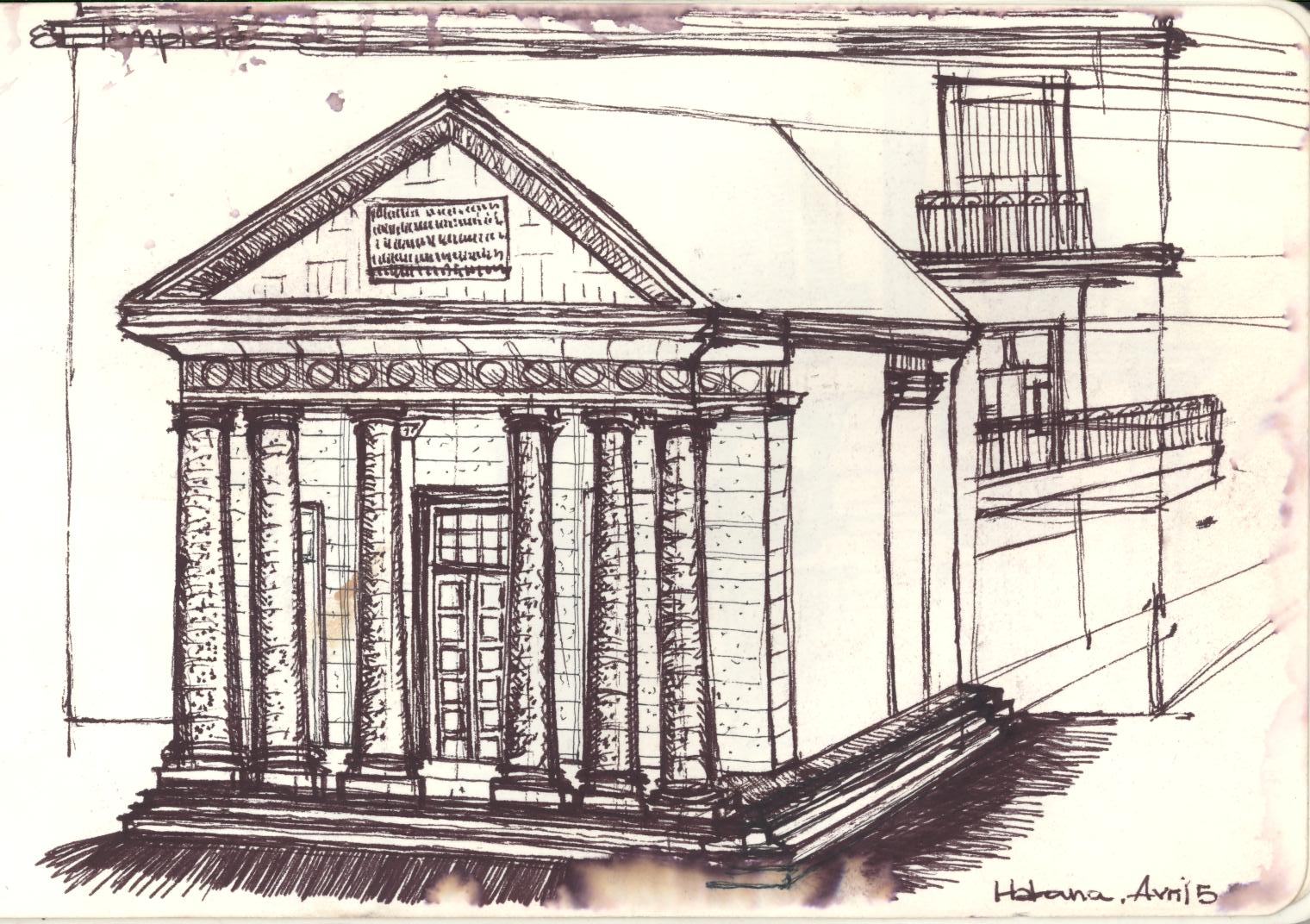
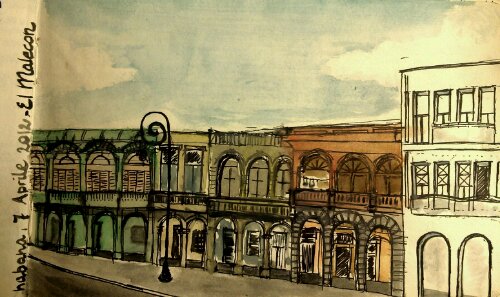
El Templete, Habana Vieja (with water from the Malecon). Ink on hand.book paper. Habana, Cuba. April 2012.
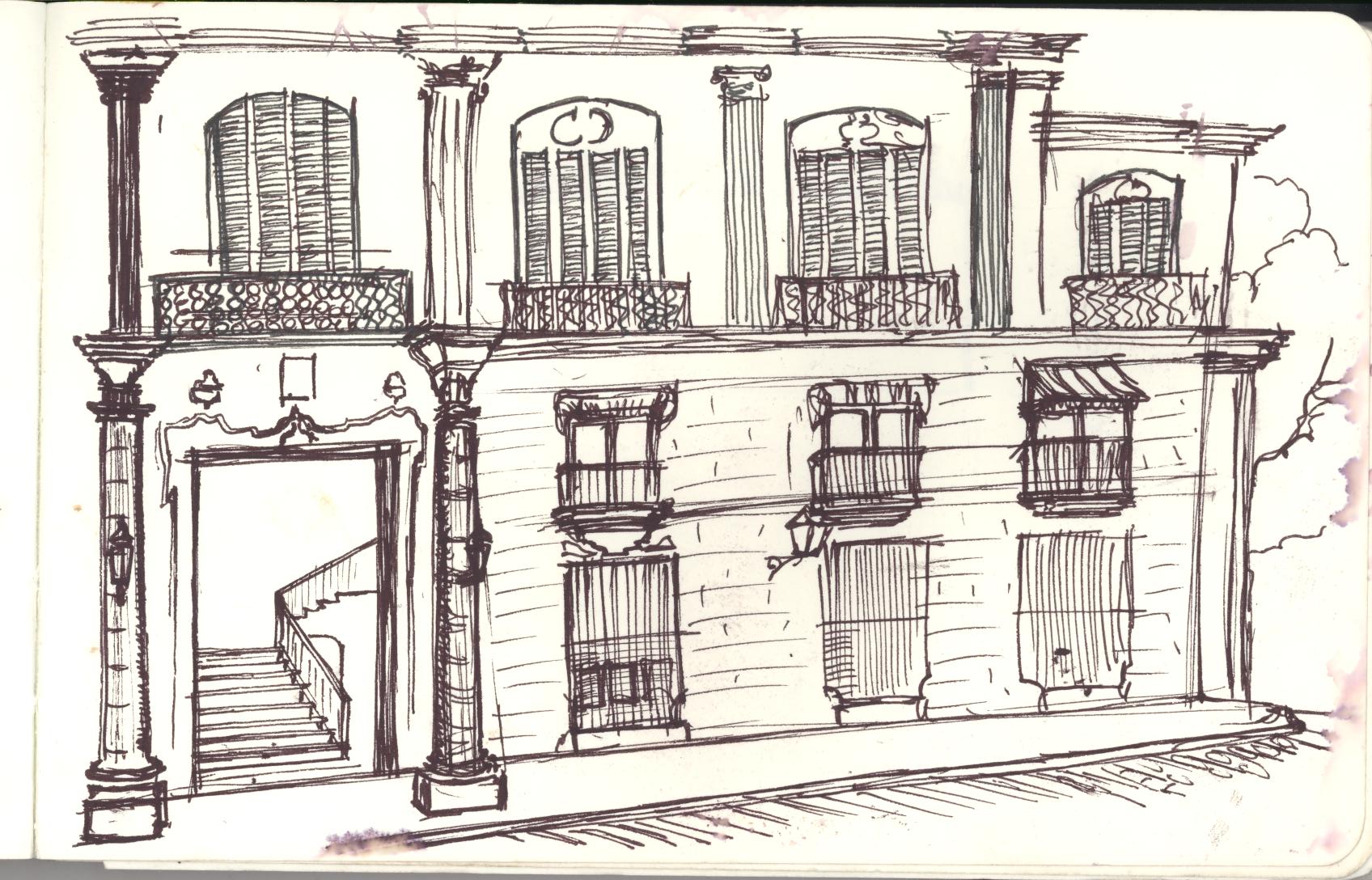
Example of Moorish (Mudéjar) Architecture in Habana Vieja. Ink on hand.book paper. Habana, Cuba. April 2012.
….
“Music is a total constant. That’s why we have such a strong visceral connection to it, you know? Because a song can take you back instantly to a moment, or a place, or even a person. No matter what else has changed in you or the world, that one song stays the same, just like that moment.”
‘Habana is very much like a rose,’ said Fico Fellove in the movie The Lost City,
‘it has petals and it has thorns…so it depends on how you grab it.
But in the end it always grabs you.’
“One of the most beautiful cities in the world. You see it with your heart.”
Enrique Nunez Del Valle, Paladar Owner
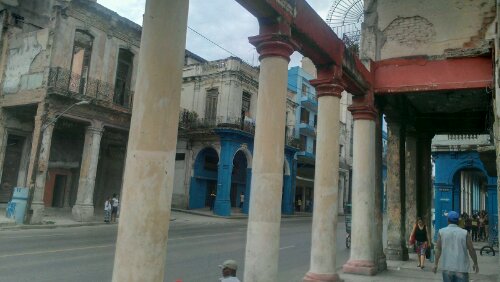
Habana’s real essence is so difficult to pin down. Plenty of writers have had a try, though; Cuban intellectual Alejo Carpentier nicknamed Habana the ‘city of columns,’ Federico Llorca declared that he had spent the best days of his life there and Graham Greene concluded that Habana was a city where ‘anything was possible.’
…
ARCHITECTURE
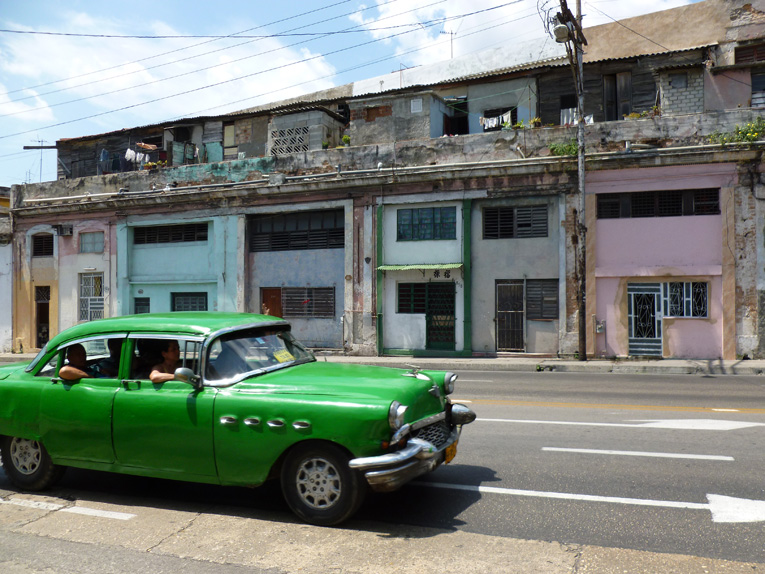
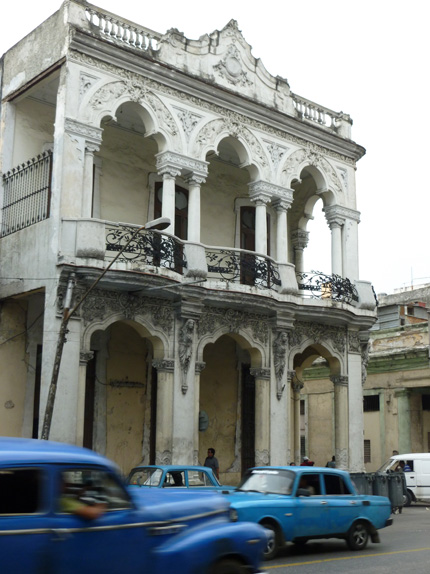
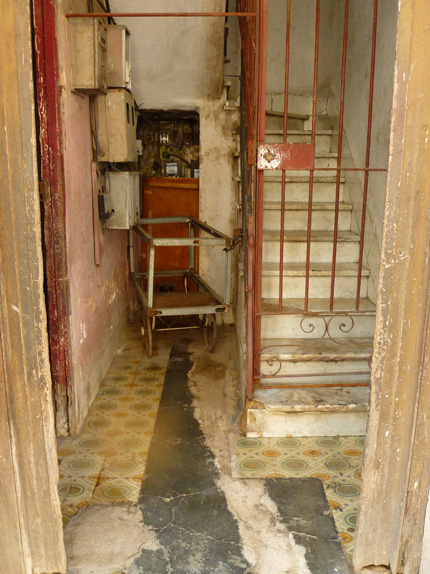
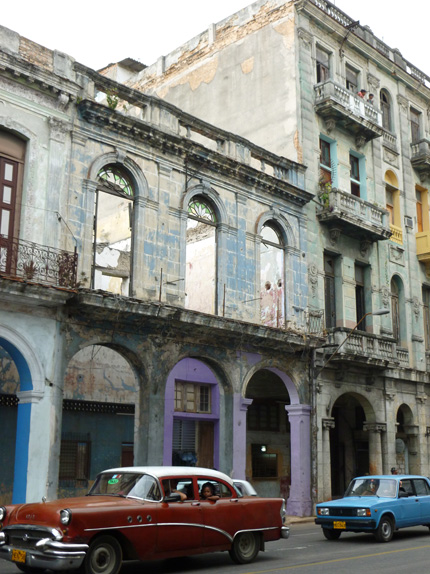
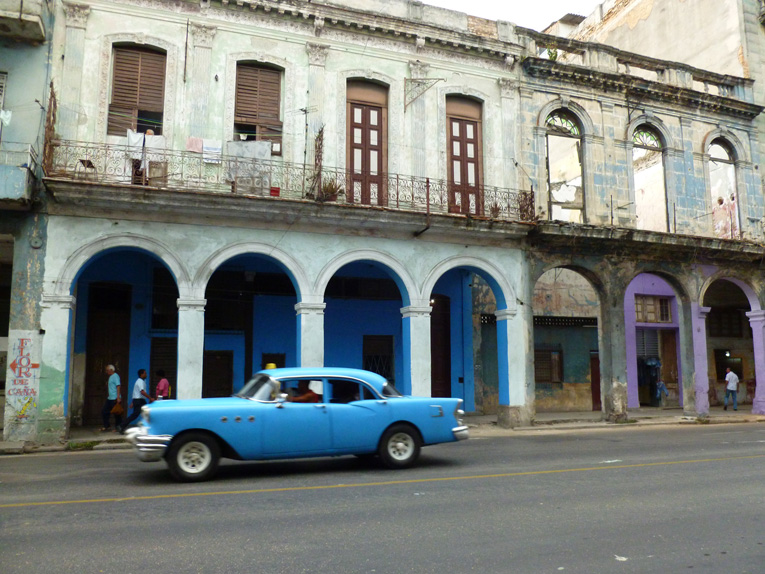
Habana is, without doubt, one of the most attractive and architecturally diverse cities in the world. Shaped by a colorful colonial history and embellished by myriad foreign influences from as far afield as Italy and Morocco, the Cuban capital gracefully combines Mudéjar, baroque, neoclassical, art nouveau, art deco and modernist architectural styles into a visually striking whole.
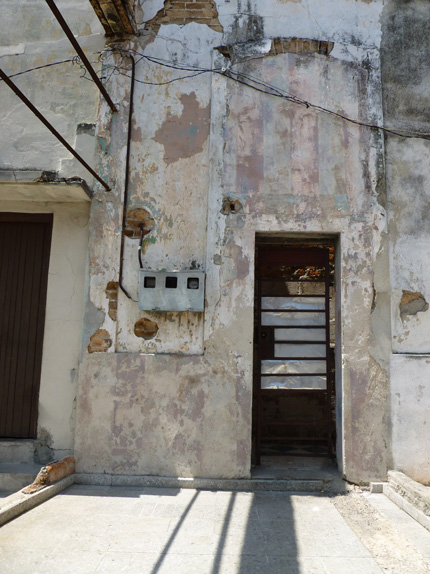
But it’s not all sweeping vistas and tree-lined boulevards. Habana doesn’t have the architectural uniformity of Paris or the instant knock-out appeal of Rome. Indeed, two decades of economic austerity has meant many of the city’s finest buildings have been left to festering an advanced state of dilapidation. Furthermore, attempting to classify Habana’s houses,palaces, churches and forts as a single architectural entity is extremely difficult.
Cuban building – rather like its music – is unusually diverse. Blending Spanish colonial with French belle epoque, and Italian Renaissance with Gaudi-esque art nouveau, the over-riding picture is often one of eclecticism run wild.
Nadie’ en tus arquiadas
En tus piedras llore’
Tus plazas me acogieron
Respire’ en la sombra de tus arboles
Sufrie’ por su cara
–los abrazos olvidados en la rena
estan alla’ hasta otro viento–
En tu son
Tu sol
Comprendi’ tus ojos infinitos
El calor the tus brazos dorados
Me calento’
En la noche el agua va corriendo en las fuentes–
Todavia estare’ alla’,
En los pasajes y las calles,
En las escaleras y las puertas serradas,
y en tu corazon de sal.
La Habana, Cuba, Avril 2012
…
Havana
I swam in your porticoes On your stones I cried Your piazzas welcomed me
I breathed in the shade of your trees I suffered for his face –the embraces forgotten on the sand there remain, until another wind.
In your sound Your sun I understood your infinite eyes The heat of your golden arms Warmed me
In the night The water will continue to run in the fountains I will be there still, In your passageways and streets, In your staircases and closed doors, And in your heart of salt.
Favorite drawings, paintings, collages and handwork on SketchBloom
Felt tip on paper. March 22, 2011.
Ink on tracing paper. Kuwait, January 2010. The scene at the bottom is what I saw-or decided to see- at The Avenues, the most popular malla in Kuwait City. There is nothing like seeing photography and drawings from a trip abroad to make you realize all reality is subjective, and we choose to see what we want to. We just don’t realize it in our own backyard.
Mare Mosso Act II. Graphite drawing by Gianni Aiello. Collage. March 18,2011
Earth and Water. Beads and yarn. June 24, 2011
Queen Califia’s Garden, Totem/Sculpture. Ink, color pencils and markers. 2009
Ink on Paper. Calabria, Italia. September 29, 2011.
Baggalini Red.
Twomoons Wax Proof-modeled after concept sketch
Platonic Solid Exercise. Graphite on Paper. 2007
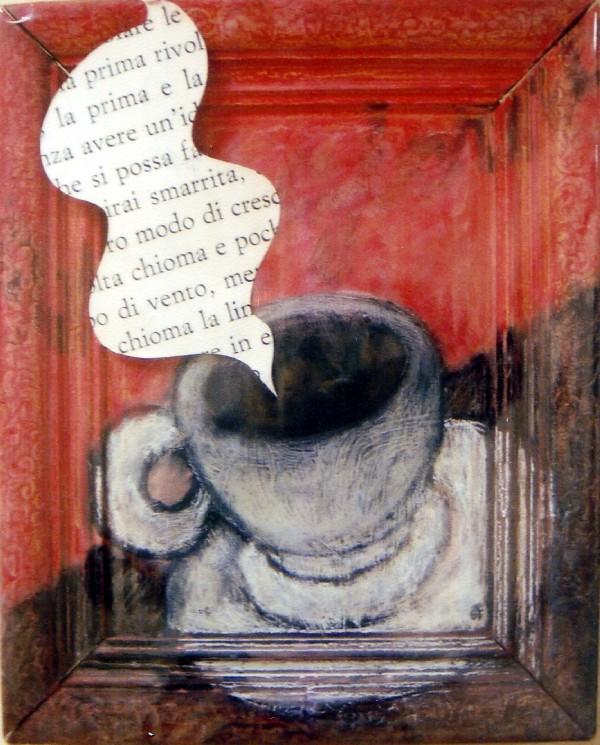
Coffee Carrier (delle). Graphite on paper. Kuwait. January 2010
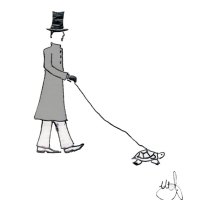
The funambulist. Ink drawing + digital collage. August 2011.
Graphite on paper and magazine cutouts. December 27, 2010. Miti and Gianni Aiello.
Concept for jewelry piece ‘twomoons’
Pilot Pen on Paper. November 2009
July 27, San Diego Museum Of Art. The Age of Enlightenment – Gabrielle Emilie Le Tonnelier de Breuteuil, Marquise du Chatelet by Yinka Shonibare- Ink on hand.book paper
Waiting for Godot | Static Head. Digital Collage. May 5th, 2010
The Sun, the Moon, and on there being no abstracts in life. Pencil, ink, watercolor on 4″X5″ canvas.2009
Pilot pen on paper. January 2011
Earth Henna, Eucalyptus Oil. May 2, 2010.
Watercolor on paper. June 3, 2010
Pencil and Watercolor on canvas
Ink on Paper. December 2010.
Ink on Paper. December 2010.
Ink on hand.book paper. Paris, 2011.
Watercolor and Graphite. November 12, 2009
The Fortress of Lost Time. Graphite on paper and magazine cutouts. December 27, 2010. Miti and Gianni Aiello.
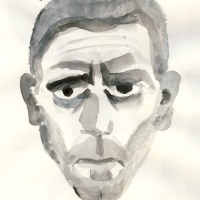
Dr. Gregory House. Watercolor on Paper. June 3, 2010
our very own coffee cart @ NewSchool: Cafe’ A la Carte
Persimmon- very quick pastel rendering. November 12, 2009.
Casa Del Fascio, contrast corrected thru Photoshop, Como, 2007
Ink on Paper. September 2009
Barcelona Chairs by Mies Van De Rohe, 1929 @ the CED Library in Berkeley
Final Twomoons Piece, Summer 2008
Ink and watercolor on paper and tracing paper. A bit of digital manipulation. Feb. 09,2011.
Collage, Pilot Pen on Paper
Miniature Pomegranate. Watercolor on chocolate wrap. Kuwait. January 2010
Mare Mosso Act III. Graphite and pen drawing by Gianni Aiello. Collag and pastel. March 19, 2011.













 sketchbloom.com